

GIVE THE PERFECT GIFT
Erin Mills Town Centre Gift Cards are the perfect choice for your gift giving needs.Purchase gift cards at kiosks near the food court or centre court, at Guest Services, or click below to purchase online.PURCHASE HEREHome
We Take Care of Our Own: Faith, Class, and Politics the Art Bruce Springsteen
Indigo
Loading Inventory...
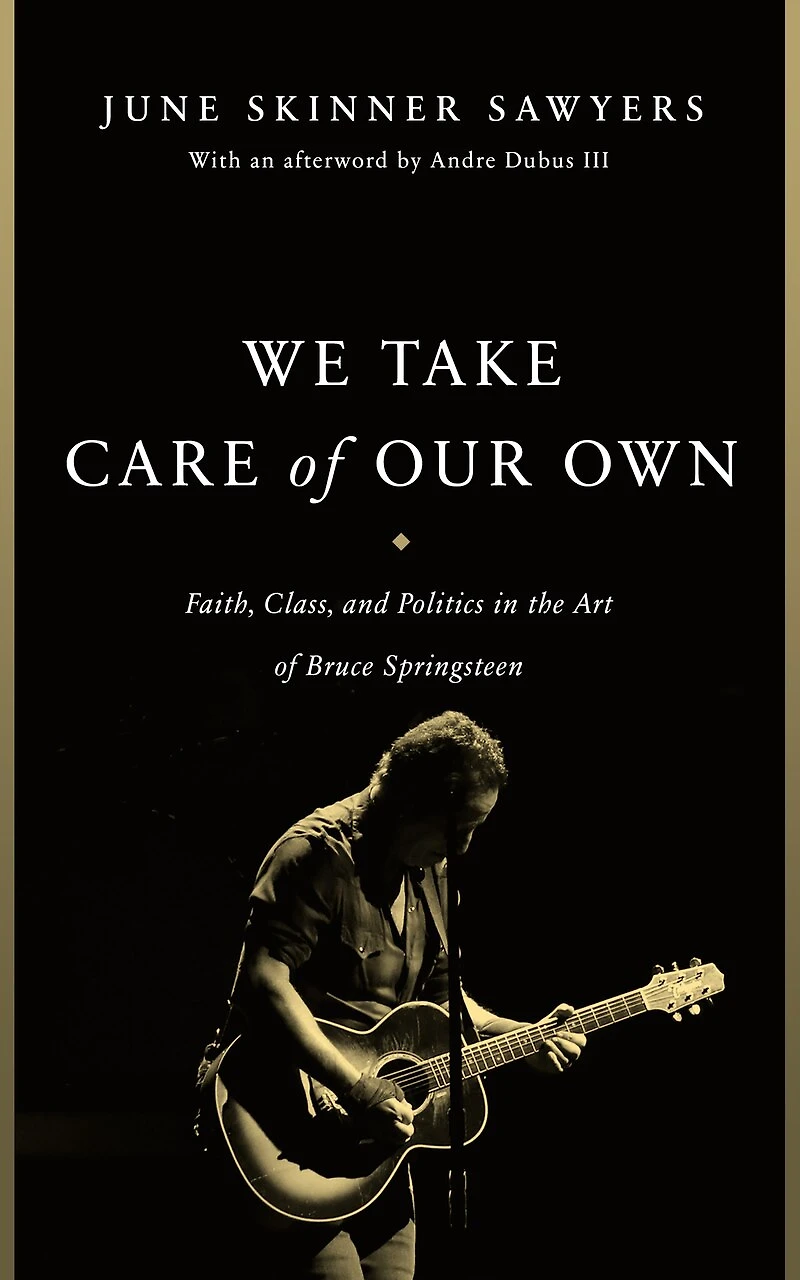
We Take Care of Our Own: Faith, Class, and Politics the Art Bruce Springsteen
Current price: $61.95

We Take Care of Our Own: Faith, Class, and Politics the Art Bruce Springsteen
Current price: $61.95
Loading Inventory...
Size: Hardcover
*Product information may vary - to confirm product availability, pricing, shipping and return information please contact Indigo
We Take Care of Our Own traces the evolution of Bruce Springsteen's beliefs, beginning with his New Jersey childhood and ending with his most recent works from Springsteen on Broadway to Letter to You . The author follows the singer's life, examining his albums and a variety of influences (both musical and nonmusical), especially his Catholic upbringing and his family life, to show how he became an outspoken icon for working-class America-indeed for working-class life throughout the world. In this way, the author emphasizes the universality of Springsteen's canon and depicts how a working-class sensibility can apply to anyone anywhere who believes in fairness and respect. In addition, the author places Springsteen in the historical context not only of literature (especially John Steinbeck) but also of the art world (specifically the work of Thomas Hart Benton and Edward Hopper). Among the themes explored in the book include community, a sense of place, America as the Promised Land, the myth of the West, and, ultimately, mortality.
We Take Care of Our Own traces the evolution of Bruce Springsteen's beliefs, beginning with his New Jersey childhood and ending with his most recent works from Springsteen on Broadway to Letter to You . The author follows the singer's life, examining his albums and a variety of influences (both musical and nonmusical), especially his Catholic upbringing and his family life, to show how he became an outspoken icon for working-class America-indeed for working-class life throughout the world. In this way, the author emphasizes the universality of Springsteen's canon and depicts how a working-class sensibility can apply to anyone anywhere who believes in fairness and respect. In addition, the author places Springsteen in the historical context not only of literature (especially John Steinbeck) but also of the art world (specifically the work of Thomas Hart Benton and Edward Hopper). Among the themes explored in the book include community, a sense of place, America as the Promised Land, the myth of the West, and, ultimately, mortality.
You May Also Like












More About Indigo at Erin Mills Town Centre
The largest book retailer in Canada also offers toys, music, home décor, gifts and lifestyle products. What's Inside...Books, Magazines, CD’s and DVD’s, Toys and Gifts, Home Accents, Electronics, Baby’s and Children’s Section, Bath and Body, Kitchen and Bedroom, Stationary Located outside in the exterior plaza.
5015 Glen Erin Dr, Mississauga, ON L5M 0R7, Canada
Find Indigo at Erin Mills Town Centre in Mississauga ON
Visit Indigo at Erin Mills Town Centre in Mississauga ON