

GIVE THE PERFECT GIFT
Erin Mills Town Centre Gift Cards are the perfect choice for your gift giving needs.Purchase gift cards at kiosks near the food court or centre court, at Guest Services, or click below to purchase online.PURCHASE HEREHome
We Were Still Ladies: Gender and Industrial Unionism the Midwest after World War II
Indigo
Loading Inventory...
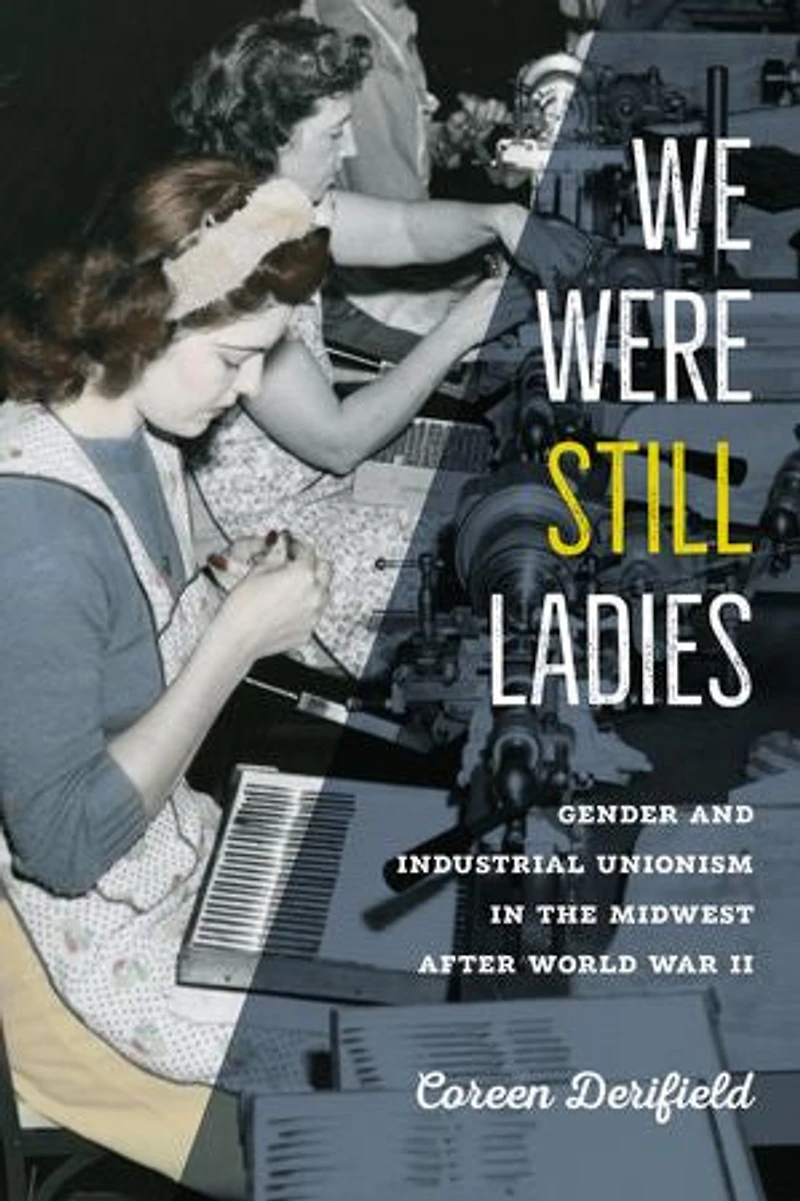
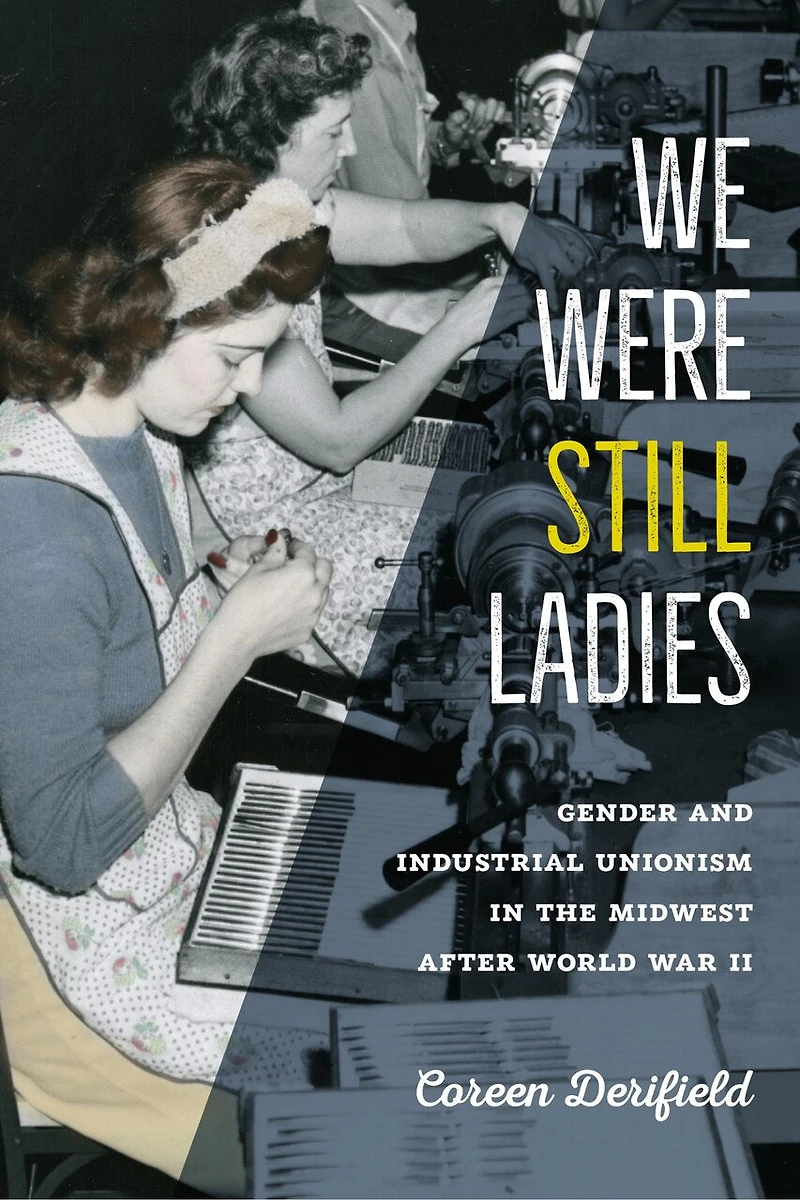
We Were Still Ladies: Gender and Industrial Unionism the Midwest after World War II
Current price: $81.49
Original price: $101.79

We Were Still Ladies: Gender and Industrial Unionism the Midwest after World War II
Current price: $81.49
Original price: $101.79
Loading Inventory...
Size: Kobo eBook
*Product information may vary - to confirm product availability, pricing, shipping and return information please contact Indigo
Following World War II, women living in small towns and on farms across the Midwest woke every morning, packed their lunches, and headed out for a long day of work in a nearby factory. Many of these women never envisioned themselves as industrial workers, but the political and economic changes after World War II offered new opportunities and experiences for hundreds of women.
How did this transition into industrial work affect a woman’s sense of self? How did this new workforce change the dynamic of families and communities? While women choosing to work outside of the home may seem to have been a mundane decision, it caused tremendous change within families and with household roles. These alterations in daily life rippled throughout midwestern culture and society, even changing the landscape of small towns into decentralized industrial centers.
Following World War II, women living in small towns and on farms across the Midwest woke every morning, packed their lunches, and headed out for a long day of work in a nearby factory. Many of these women never envisioned themselves as industrial workers, but the political and economic changes after World War II offered new opportunities and experiences for hundreds of women.
How did this transition into industrial work affect a woman’s sense of self? How did this new workforce change the dynamic of families and communities? While women choosing to work outside of the home may seem to have been a mundane decision, it caused tremendous change within families and with household roles. These alterations in daily life rippled throughout midwestern culture and society, even changing the landscape of small towns into decentralized industrial centers.
You May Also Like














More About Indigo at Erin Mills Town Centre
The largest book retailer in Canada also offers toys, music, home décor, gifts and lifestyle products. What's Inside...Books, Magazines, CD’s and DVD’s, Toys and Gifts, Home Accents, Electronics, Baby’s and Children’s Section, Bath and Body, Kitchen and Bedroom, Stationary Located outside in the exterior plaza.
5015 Glen Erin Dr, Mississauga, ON L5M 0R7, Canada
Find Indigo at Erin Mills Town Centre in Mississauga ON
Visit Indigo at Erin Mills Town Centre in Mississauga ON