

GIVE THE PERFECT GIFT
Erin Mills Town Centre Gift Cards are the perfect choice for your gift giving needs.Purchase gift cards at kiosks near the food court or centre court, at Guest Services, or click below to purchase online.PURCHASE HEREHome
Weak Painting After Modernism: Material Strategies 1968-1978
Indigo
Loading Inventory...
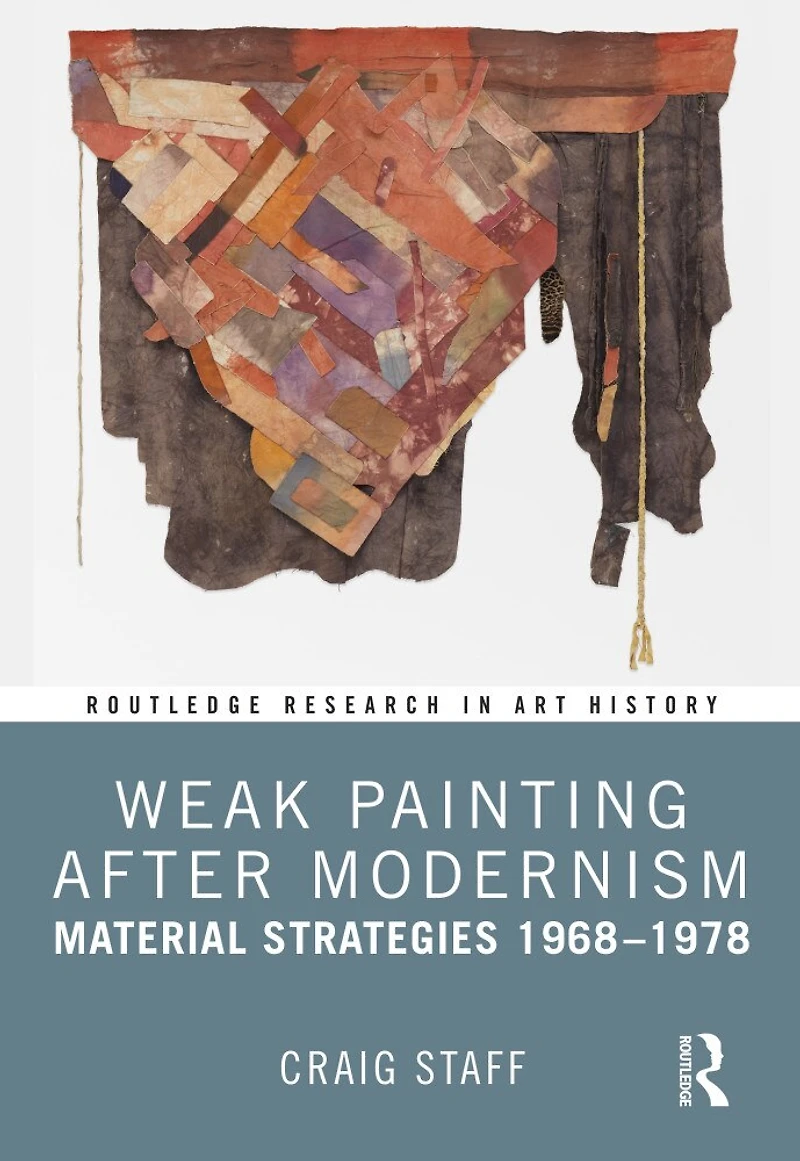
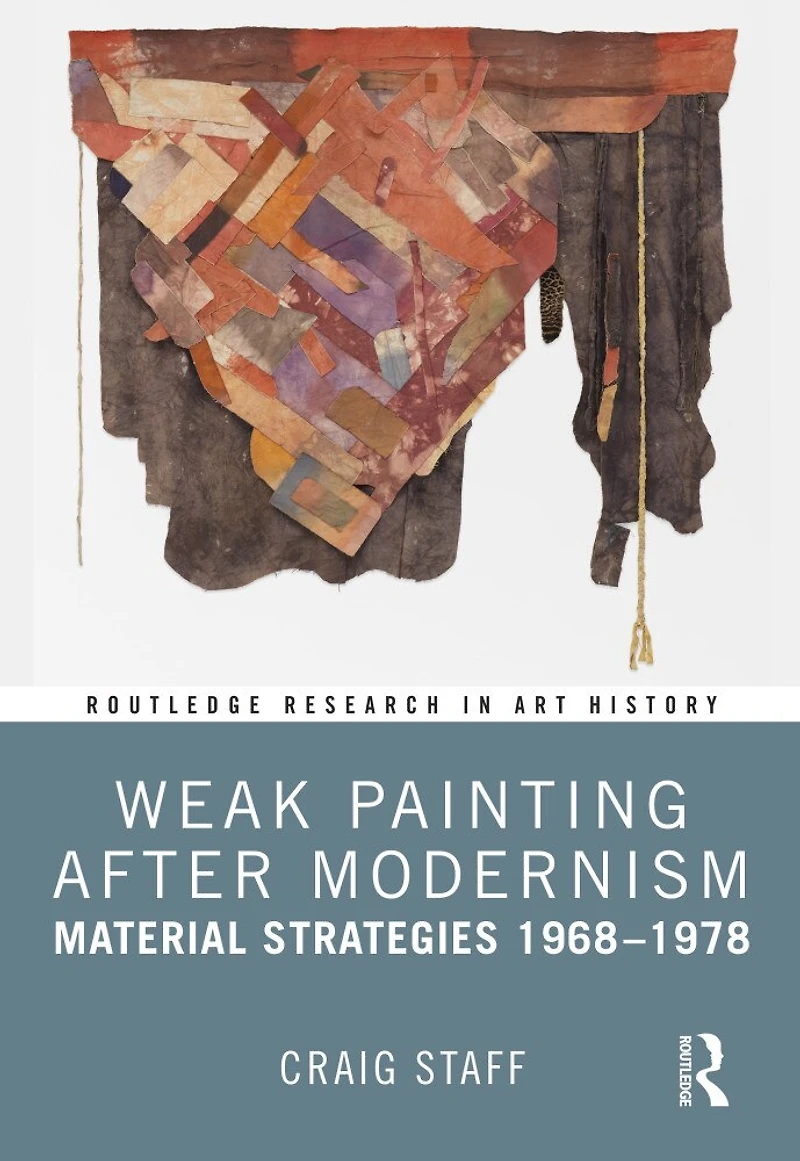
Weak Painting After Modernism: Material Strategies 1968-1978
Current price: $346.50

Weak Painting After Modernism: Material Strategies 1968-1978
Current price: $346.50
Loading Inventory...
Size: Hardcover
*Product information may vary - to confirm product availability, pricing, shipping and return information please contact Indigo
This book examines the terms upon which painting in the United States sought to negotiate with the legacy of American formalist aesthetics and by extension, the understanding of modernist painting it had become most readily associated with. In so doing, a separate set of possibilities for painting gradually began to emerge. The salient debates and practices that collectively worked to establish such a response are approached through the philosopher Gianni Vattimo's idea of pensiero debole or so-called weak thought. To this end, the proposed study both identifies and seeks to examine a type of "weak" painting which, like Vattimo's idea, took as its critical point of departure "the exhaustion - but not the vanishing - of the project of modernism (the belief in reason, progress, history, the nation-state, etc.)." Craig Staff explores particular instances wherein artists sought to extend the parameters of the object beyond what had been called into question, namely the proclivity for modernist painting's "strength" to be understood as denoting, amongst other things, a perceived set of universal essences. This book will be of interest to scholars working in art history, fine art, cultural studies, critical theory, curatorial studies and philosophy.
This book examines the terms upon which painting in the United States sought to negotiate with the legacy of American formalist aesthetics and by extension, the understanding of modernist painting it had become most readily associated with. In so doing, a separate set of possibilities for painting gradually began to emerge. The salient debates and practices that collectively worked to establish such a response are approached through the philosopher Gianni Vattimo's idea of pensiero debole or so-called weak thought. To this end, the proposed study both identifies and seeks to examine a type of "weak" painting which, like Vattimo's idea, took as its critical point of departure "the exhaustion - but not the vanishing - of the project of modernism (the belief in reason, progress, history, the nation-state, etc.)." Craig Staff explores particular instances wherein artists sought to extend the parameters of the object beyond what had been called into question, namely the proclivity for modernist painting's "strength" to be understood as denoting, amongst other things, a perceived set of universal essences. This book will be of interest to scholars working in art history, fine art, cultural studies, critical theory, curatorial studies and philosophy.
You May Also Like








More About Indigo at Erin Mills Town Centre
The largest book retailer in Canada also offers toys, music, home décor, gifts and lifestyle products. What's Inside...Books, Magazines, CD’s and DVD’s, Toys and Gifts, Home Accents, Electronics, Baby’s and Children’s Section, Bath and Body, Kitchen and Bedroom, Stationary Located outside in the exterior plaza.
5015 Glen Erin Dr, Mississauga, ON L5M 0R7, Canada
Find Indigo at Erin Mills Town Centre in Mississauga ON
Visit Indigo at Erin Mills Town Centre in Mississauga ON