

GIVE THE PERFECT GIFT
Erin Mills Town Centre Gift Cards are the perfect choice for your gift giving needs.Purchase gift cards at kiosks near the food court or centre court, at Guest Services, or click below to purchase online.PURCHASE HEREHome
Weimar Radicals: Nazis And Communists Between Authenticity Performance
Indigo
Loading Inventory...
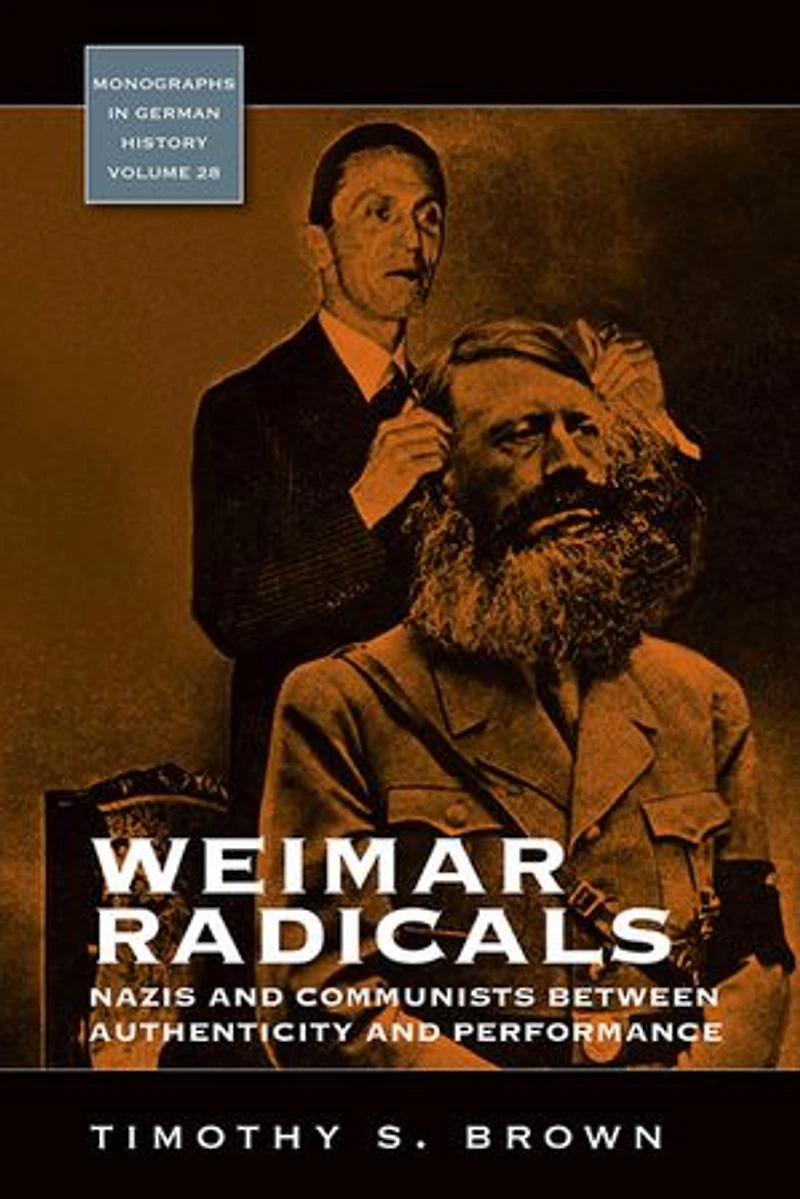
Weimar Radicals: Nazis And Communists Between Authenticity Performance
Current price: $27.09
Original price: $33.86

Weimar Radicals: Nazis And Communists Between Authenticity Performance
Current price: $27.09
Original price: $33.86
Loading Inventory...
Size: Kobo eBook
*Product information may vary - to confirm product availability, pricing, shipping and return information please contact Indigo
Exploring the gray zone of infiltration and subversion in which the Nazi and Communist parties sought to influence and undermine each other, this book offers a fresh perspective on the relationship between two defining ideologies of the twentieth century. The struggle between Fascism and Communism is situated within a broader conversation among right- and left-wing publicists, across the Youth Movement and in the “National Bolshevik” scene, thus revealing the existence of a discourse on revolutionary legitimacy fought according to a set of common assumptions about the qualities of the ideal revolutionary. Highlighting the importance of a masculine-militarist politics of youth revolt operative in both Marxist and anti-Marxist guises, Weimar Radicals forces us to re-think the fateful relationship between the two great ideological competitors of the Weimar Republic, while offering a challenging new interpretation of the distinctive radicalism of the interwar era.
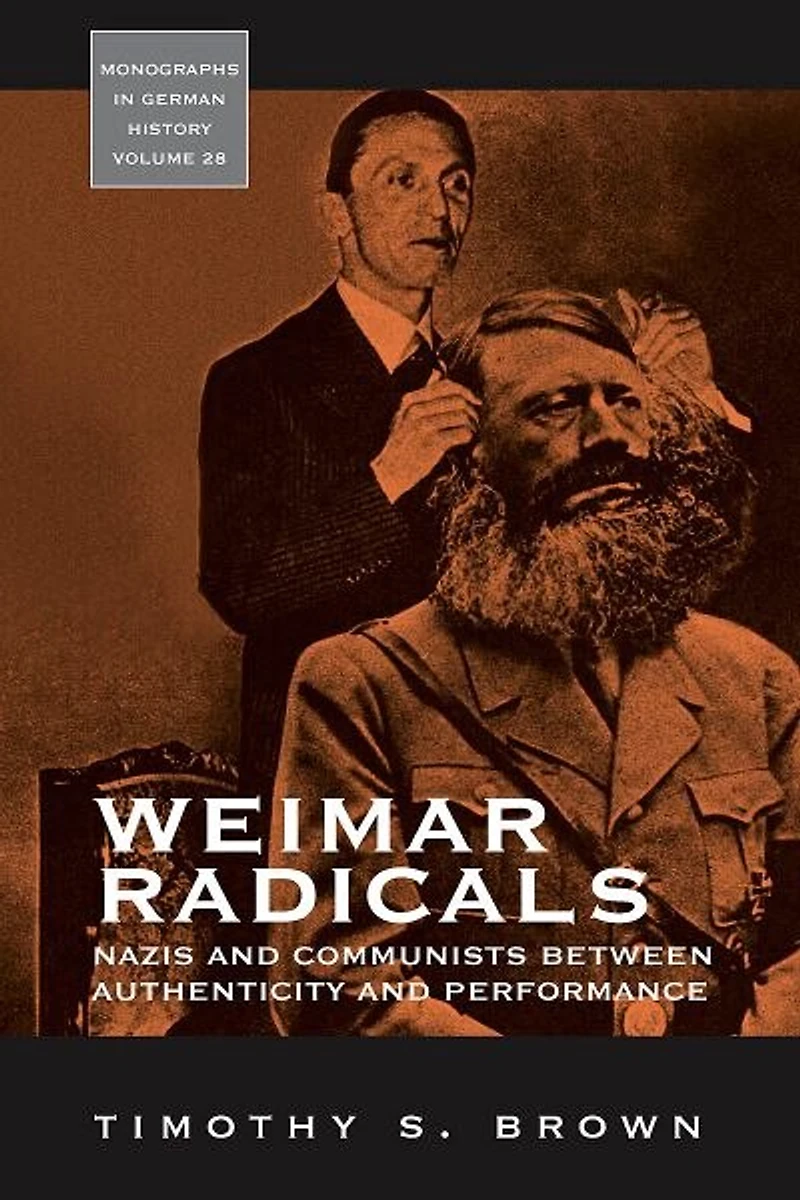
Exploring the gray zone of infiltration and subversion in which the Nazi and Communist parties sought to influence and undermine each other, this book offers a fresh perspective on the relationship between two defining ideologies of the twentieth century. The struggle between Fascism and Communism is situated within a broader conversation among right- and left-wing publicists, across the Youth Movement and in the “National Bolshevik” scene, thus revealing the existence of a discourse on revolutionary legitimacy fought according to a set of common assumptions about the qualities of the ideal revolutionary. Highlighting the importance of a masculine-militarist politics of youth revolt operative in both Marxist and anti-Marxist guises, Weimar Radicals forces us to re-think the fateful relationship between the two great ideological competitors of the Weimar Republic, while offering a challenging new interpretation of the distinctive radicalism of the interwar era.
You May Also Like









More About Indigo at Erin Mills Town Centre
The largest book retailer in Canada also offers toys, music, home décor, gifts and lifestyle products. What's Inside...Books, Magazines, CD’s and DVD’s, Toys and Gifts, Home Accents, Electronics, Baby’s and Children’s Section, Bath and Body, Kitchen and Bedroom, Stationary Located outside in the exterior plaza.
5015 Glen Erin Dr, Mississauga, ON L5M 0R7, Canada
Find Indigo at Erin Mills Town Centre in Mississauga ON
Visit Indigo at Erin Mills Town Centre in Mississauga ON