

GIVE THE PERFECT GIFT
Erin Mills Town Centre Gift Cards are the perfect choice for your gift giving needs.Purchase gift cards at kiosks near the food court or centre court, at Guest Services, or click below to purchase online.PURCHASE HEREHome
Wellbeing Ranking
Indigo
Loading Inventory...
Wellbeing Ranking
Current price: $18.09
Original price: $22.58

Wellbeing Ranking
Current price: $18.09
Original price: $22.58
Loading Inventory...
Size: Kobo eBook
*Product information may vary - to confirm product availability, pricing, shipping and return information please contact Indigo
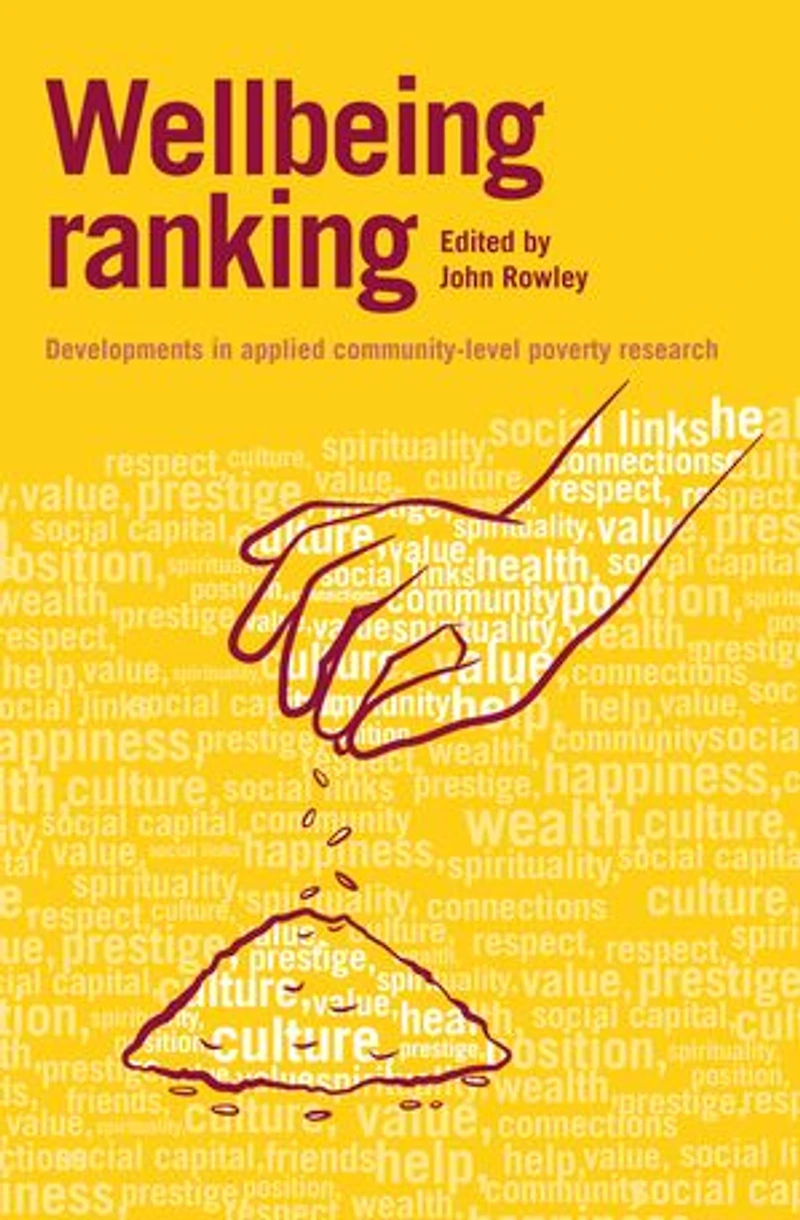
Wealth-ranking is a participatory tool enabling people to group their fellows into wealth bands, and thus identify the very poor. Now the method has been developed to include the broader aspects of wellbeing, such as social standing and health, that people value as much as material wealth. Wellbeing Ranking tells the story of the development of these assessment methods since the rise of wealth ranking in the 1980s. It looks at the results of wellbeing ranking exercises and how they help identify important differences within communities and monitor changes in wellbeing over time.The book suggests that understanding differences within communities is essential for good development aid work and describes the successful use of ranking tools over large populations and the value of using multi-dimensional models of wellbeing.This book is essential reading for everyone interested in participatory methods, from researchers and students of international development, to field workers and staff of international development agencies.
Wealth-ranking is a participatory tool enabling people to group their fellows into wealth bands, and thus identify the very poor. Now the method has been developed to include the broader aspects of wellbeing, such as social standing and health, that people value as much as material wealth. Wellbeing Ranking tells the story of the development of these assessment methods since the rise of wealth ranking in the 1980s. It looks at the results of wellbeing ranking exercises and how they help identify important differences within communities and monitor changes in wellbeing over time.The book suggests that understanding differences within communities is essential for good development aid work and describes the successful use of ranking tools over large populations and the value of using multi-dimensional models of wellbeing.This book is essential reading for everyone interested in participatory methods, from researchers and students of international development, to field workers and staff of international development agencies.
You May Also Like











More About Indigo at Erin Mills Town Centre
The largest book retailer in Canada also offers toys, music, home décor, gifts and lifestyle products. What's Inside...Books, Magazines, CD’s and DVD’s, Toys and Gifts, Home Accents, Electronics, Baby’s and Children’s Section, Bath and Body, Kitchen and Bedroom, Stationary Located outside in the exterior plaza.
5015 Glen Erin Dr, Mississauga, ON L5M 0R7, Canada
Find Indigo at Erin Mills Town Centre in Mississauga ON
Visit Indigo at Erin Mills Town Centre in Mississauga ON