

GIVE THE PERFECT GIFT
Erin Mills Town Centre Gift Cards are the perfect choice for your gift giving needs.Purchase gift cards at kiosks near the food court or centre court, at Guest Services, or click below to purchase online.PURCHASE HEREHome
West Papuan Decolonisation: Contesting Histories
Indigo
Loading Inventory...
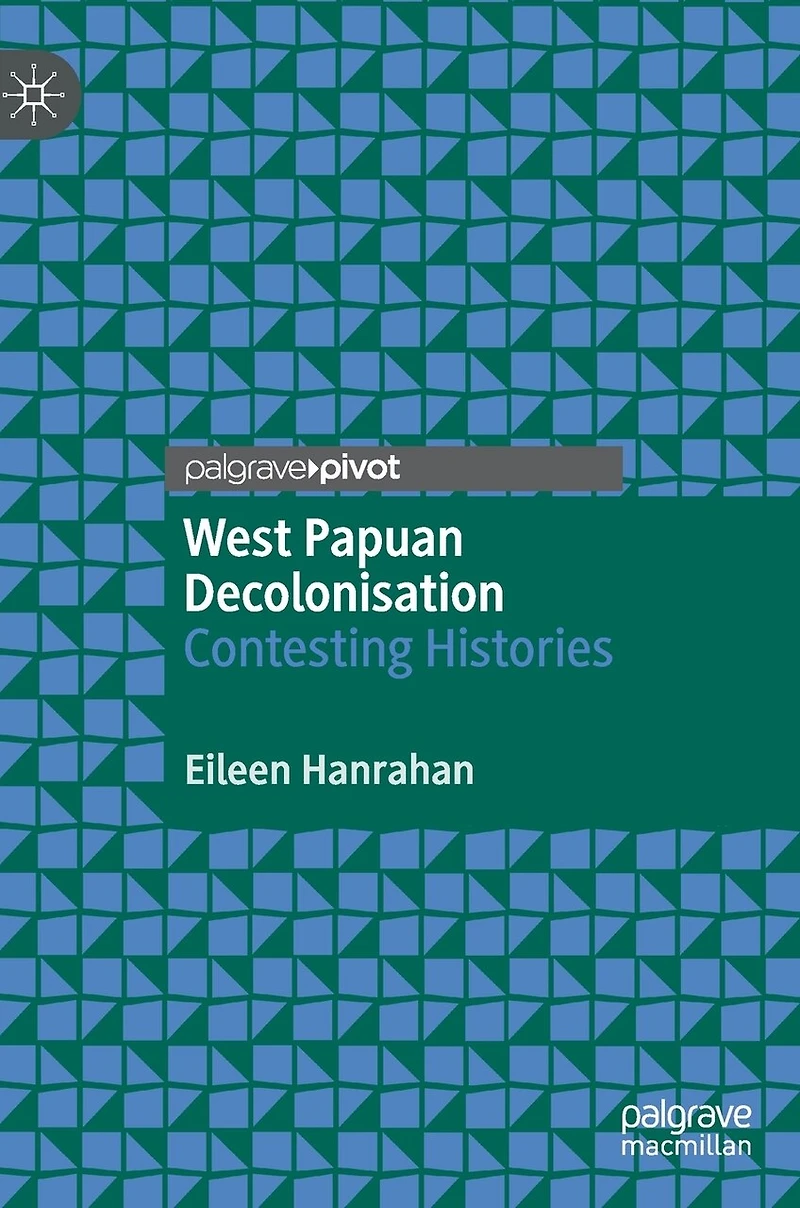
West Papuan Decolonisation: Contesting Histories
Current price: $87.95

West Papuan Decolonisation: Contesting Histories
Current price: $87.95
Loading Inventory...
Size: Hardcover
*Product information may vary - to confirm product availability, pricing, shipping and return information please contact Indigo
In alignment with Indigenous Politics, an emerging sub-field of Politics and IR, this book considers West Papuan Indigenous nationhood. Combining Settler Colonial Studies and Critical Indigenous Theory, the research opens up sovereignty as a political category of analysis to reveal an embedded nation within Indonesia. In June 2000 the Second Papuan People's Congress in Jayapura rejected the basis on which West Papua had been incorporated into Indonesia and resolved that the "people of Papua have been sovereign as a nation and a state since 1 December 1962". Indonesian president Wahid firmly opposed this resolution and state officials posted historical narratives on the Australian Embassy website that legitimated Indonesia's incorporation of the once non-self-governing territory. A mapping and analysis of these narratives demonstrate a settler colonial present within Southeast Asia. It is argued that the US's appeasement of Indonesia's takeover in the 1960s was based on the Great Power's concern to promote its strategic and economic status in the region. "This is a timely intervention that contributes to a growing debate on settler colonialism as a mode of domination that characterises the global present and involves locales not normally seen as settler colonial. West Papua fits the bill". -Associate Professor Lorenzo Veracini, author of Settler Colonial Studies: A Theoretical overview.
In alignment with Indigenous Politics, an emerging sub-field of Politics and IR, this book considers West Papuan Indigenous nationhood. Combining Settler Colonial Studies and Critical Indigenous Theory, the research opens up sovereignty as a political category of analysis to reveal an embedded nation within Indonesia. In June 2000 the Second Papuan People's Congress in Jayapura rejected the basis on which West Papua had been incorporated into Indonesia and resolved that the "people of Papua have been sovereign as a nation and a state since 1 December 1962". Indonesian president Wahid firmly opposed this resolution and state officials posted historical narratives on the Australian Embassy website that legitimated Indonesia's incorporation of the once non-self-governing territory. A mapping and analysis of these narratives demonstrate a settler colonial present within Southeast Asia. It is argued that the US's appeasement of Indonesia's takeover in the 1960s was based on the Great Power's concern to promote its strategic and economic status in the region. "This is a timely intervention that contributes to a growing debate on settler colonialism as a mode of domination that characterises the global present and involves locales not normally seen as settler colonial. West Papua fits the bill". -Associate Professor Lorenzo Veracini, author of Settler Colonial Studies: A Theoretical overview.
You May Also Like









More About Indigo at Erin Mills Town Centre
The largest book retailer in Canada also offers toys, music, home décor, gifts and lifestyle products. What's Inside...Books, Magazines, CD’s and DVD’s, Toys and Gifts, Home Accents, Electronics, Baby’s and Children’s Section, Bath and Body, Kitchen and Bedroom, Stationary Located outside in the exterior plaza.
5015 Glen Erin Dr, Mississauga, ON L5M 0R7, Canada
Find Indigo at Erin Mills Town Centre in Mississauga ON
Visit Indigo at Erin Mills Town Centre in Mississauga ON