

GIVE THE PERFECT GIFT
Erin Mills Town Centre Gift Cards are the perfect choice for your gift giving needs.Purchase gift cards at kiosks near the food court or centre court, at Guest Services, or click below to purchase online.PURCHASE HEREHome
What Gandhi Says: About Nonviolence, Resistance and Courage
Indigo
Loading Inventory...
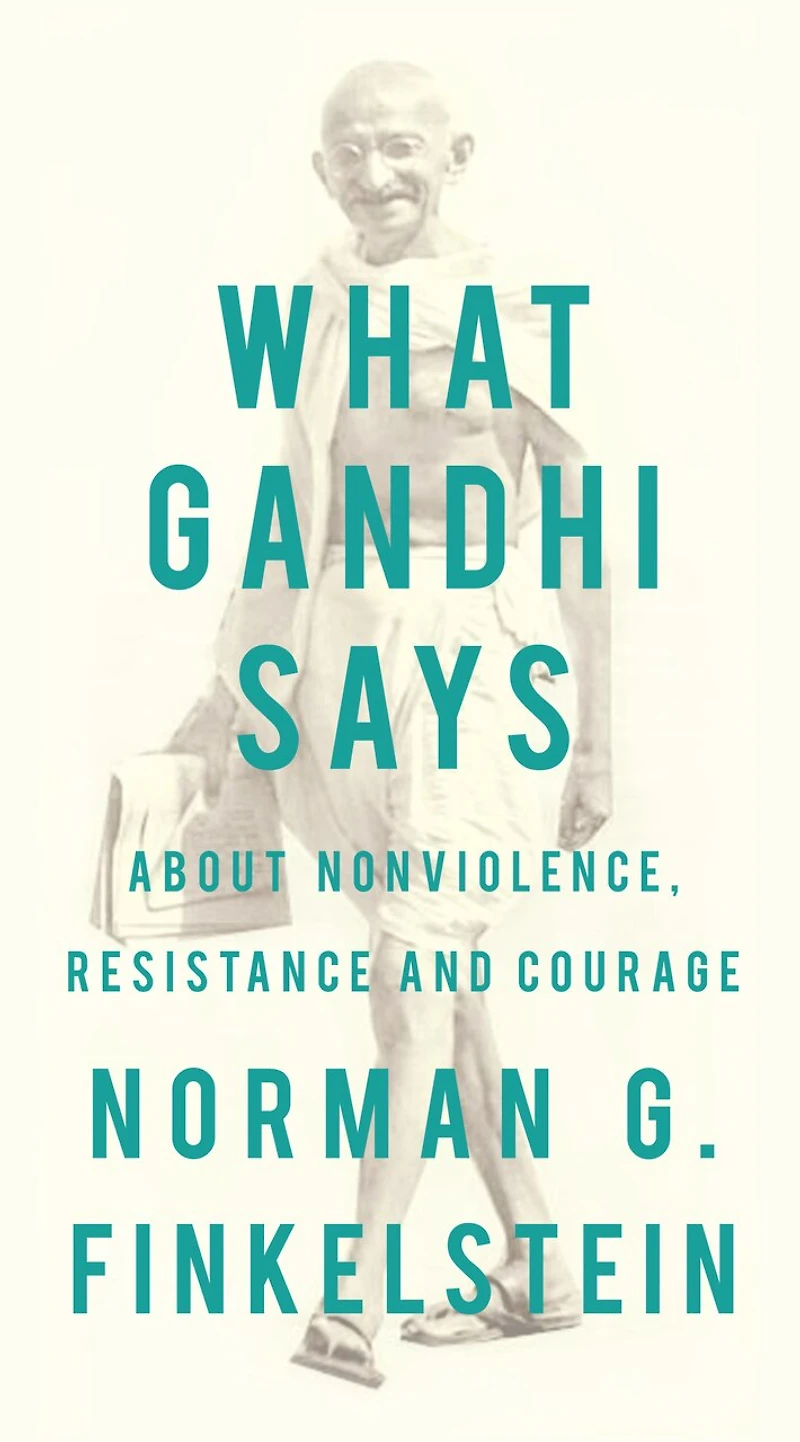
What Gandhi Says: About Nonviolence, Resistance and Courage
Current price: $18.50

What Gandhi Says: About Nonviolence, Resistance and Courage
Current price: $18.50
Loading Inventory...
Size: Paperback
*Product information may vary - to confirm product availability, pricing, shipping and return information please contact Indigo
Long treated as a moral icon, Gandhi remains one of the most demanding and misunderstood political thinkers of the modern era.
There is much that will surprise in these pages : Mahatma Gandhi was not a pacifist; he believed in the right of those being attacked to strike back and regarded inaction as a result of cowardice to be a greater sin than even the most ill-considered aggression. Gandhi's calls for the sacrifice of lives in order to shame the oppressor into concessions can easily seem chilling and ruthless.
Drawing on extensive readings of Gandhi's copious oeuvre, Norman Finkelstein sets out, in clear and concise language, the basic principles of Gandhi's approach and applies this thinking to the Israel–Palestine conflict.
The wave of protest movements that gathered force in the early 2010s - from Occupy to the uprisings that inspired it - renewed global attention to Gandhi's work on nonviolent resistance, articulated during the struggle for Indian independence and later echoed in Tahrir Square, Puerta del Sol, and Zuccotti Park. Yet admiration for Gandhi's influence has often obscured the rigor and severity of his thinking.
This book confronts that gap directly, examining Gandhi's insistence on courage as an active and demanding virtue, his rejection of passivity and moral evasion, and his belief that resistance must be judged by its consequences in human lives. Central to this argument is Gandhi's conviction that peaceful resistance, however exacting, is ultimately less costly in human terms than armed opposition, and that the role of a protest movement is not to persuade people of something new but to compelthem to act on behalf of what they already accept as right.In doing so, it restores the sharp political edge of Gandhi's thought and demonstrates its continuing relevance to contemporary struggles for justice and democracy.
Long treated as a moral icon, Gandhi remains one of the most demanding and misunderstood political thinkers of the modern era.
There is much that will surprise in these pages : Mahatma Gandhi was not a pacifist; he believed in the right of those being attacked to strike back and regarded inaction as a result of cowardice to be a greater sin than even the most ill-considered aggression. Gandhi's calls for the sacrifice of lives in order to shame the oppressor into concessions can easily seem chilling and ruthless.
Drawing on extensive readings of Gandhi's copious oeuvre, Norman Finkelstein sets out, in clear and concise language, the basic principles of Gandhi's approach and applies this thinking to the Israel–Palestine conflict.
The wave of protest movements that gathered force in the early 2010s - from Occupy to the uprisings that inspired it - renewed global attention to Gandhi's work on nonviolent resistance, articulated during the struggle for Indian independence and later echoed in Tahrir Square, Puerta del Sol, and Zuccotti Park. Yet admiration for Gandhi's influence has often obscured the rigor and severity of his thinking.
This book confronts that gap directly, examining Gandhi's insistence on courage as an active and demanding virtue, his rejection of passivity and moral evasion, and his belief that resistance must be judged by its consequences in human lives. Central to this argument is Gandhi's conviction that peaceful resistance, however exacting, is ultimately less costly in human terms than armed opposition, and that the role of a protest movement is not to persuade people of something new but to compelthem to act on behalf of what they already accept as right.In doing so, it restores the sharp political edge of Gandhi's thought and demonstrates its continuing relevance to contemporary struggles for justice and democracy.
You May Also Like

















More About Indigo at Erin Mills Town Centre
The largest book retailer in Canada also offers toys, music, home décor, gifts and lifestyle products. What's Inside...Books, Magazines, CD’s and DVD’s, Toys and Gifts, Home Accents, Electronics, Baby’s and Children’s Section, Bath and Body, Kitchen and Bedroom, Stationary Located outside in the exterior plaza.
5015 Glen Erin Dr, Mississauga, ON L5M 0R7, Canada
Find Indigo at Erin Mills Town Centre in Mississauga ON
Visit Indigo at Erin Mills Town Centre in Mississauga ON