

GIVE THE PERFECT GIFT
Erin Mills Town Centre Gift Cards are the perfect choice for your gift giving needs.Purchase gift cards at kiosks near the food court or centre court, at Guest Services, or click below to purchase online.PURCHASE HEREHome
What if everything you knew about education was wrong?
Indigo
Loading Inventory...
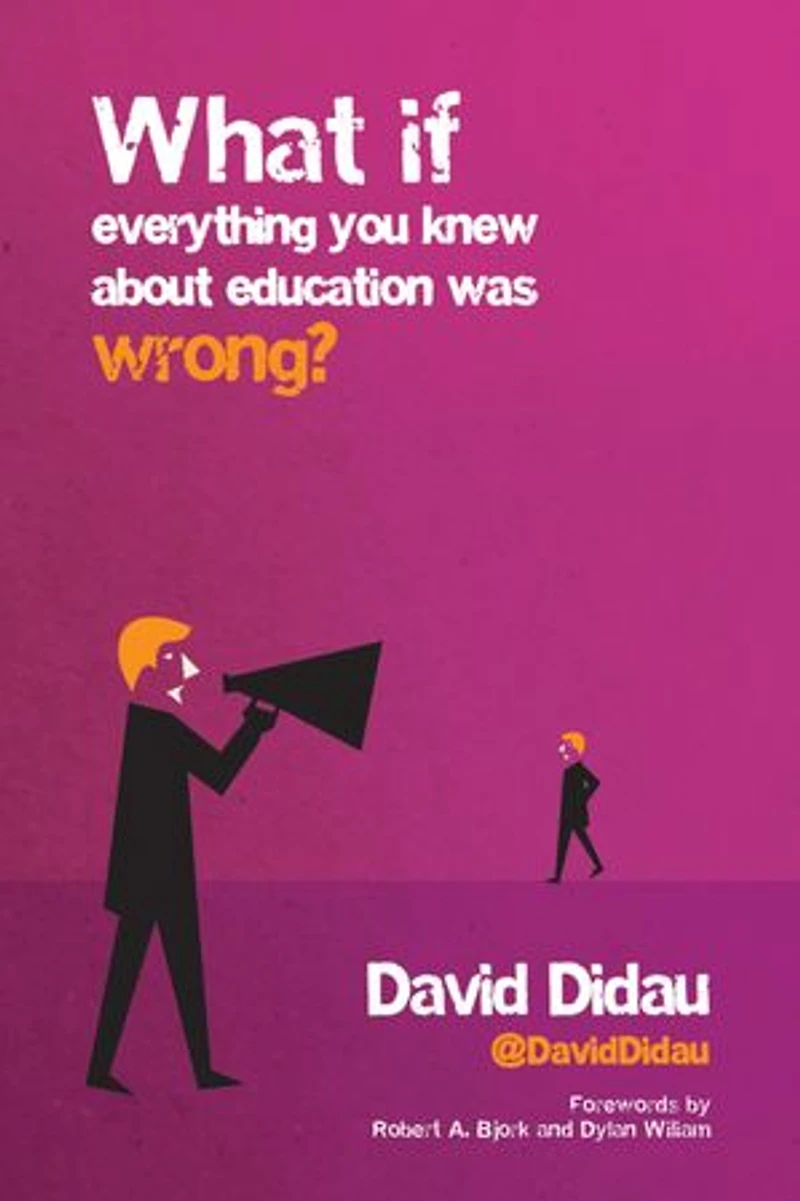
What if everything you knew about education was wrong?
Current price: $25.89
Original price: $32.28

What if everything you knew about education was wrong?
Current price: $25.89
Original price: $32.28
Loading Inventory...
Size: Kobo eBook
*Product information may vary - to confirm product availability, pricing, shipping and return information please contact Indigo
If you feel a bit cross at the presumption of some oik daring to suggest everything you know about education might be wrong, please take it with a pinch of salt. What if everything you knew about education was wrong? is just a title. Of course, you probably think a great many things that aren't wrong. The aim of the book is to help you 'murder your darlings'. David Didau will question your most deeply held assumptions about teaching and learning, expose them to the fiery eye of reason and see if they can still walk in a straight line after the experience. It seems reasonable to suggest that only if a theory or approach can withstand the fiercest scrutiny should it be encouraged in classrooms. David makes no apologies for this; why wouldn't you be sceptical of what you're told and what you think you know? As educated professionals, we ought to strive to assemble a more accurate, informed or at least considered understanding of the world around us. Here, David shares with you some tools to help you question your assumptions and assist you in picking through what you believe. He will stew findings from the shiny white laboratories of cognitive psychology, stir in a generous dash of classroom research and serve up a side order of experience and observation. Whether you spit it out or lap it up matters not. If you come out the other end having vigorously and violently disagreed with him, you'll at least have had to think hard about what you believe. The book draws on research from the field of cognitive science to expertly analyse some of the unexamined meta-beliefs in education. In Part 1; 'Why we're wrong', David dismantles what we think we know; examining cognitive traps and biases, assumptions, gut feelings and the problem of evidence. Part 2 delves deeper - 'Through the threshold' - looking at progress, liminality and threshold concepts, the science of learning, and the difference between novices and experts. In Part 3, David asks us the question 'What could we do differently?' and offers some considered insights into spacing and interleaving, the testing effect, the generation effect, reducing feedback and why difficult is desirable. While Part 4 challenges us to consider 'What else might we be getting wrong?'; cogitating formative assessment, lesson observation, grit and growth, differentiation, praise, motivation and creativity.
If you feel a bit cross at the presumption of some oik daring to suggest everything you know about education might be wrong, please take it with a pinch of salt. What if everything you knew about education was wrong? is just a title. Of course, you probably think a great many things that aren't wrong. The aim of the book is to help you 'murder your darlings'. David Didau will question your most deeply held assumptions about teaching and learning, expose them to the fiery eye of reason and see if they can still walk in a straight line after the experience. It seems reasonable to suggest that only if a theory or approach can withstand the fiercest scrutiny should it be encouraged in classrooms. David makes no apologies for this; why wouldn't you be sceptical of what you're told and what you think you know? As educated professionals, we ought to strive to assemble a more accurate, informed or at least considered understanding of the world around us. Here, David shares with you some tools to help you question your assumptions and assist you in picking through what you believe. He will stew findings from the shiny white laboratories of cognitive psychology, stir in a generous dash of classroom research and serve up a side order of experience and observation. Whether you spit it out or lap it up matters not. If you come out the other end having vigorously and violently disagreed with him, you'll at least have had to think hard about what you believe. The book draws on research from the field of cognitive science to expertly analyse some of the unexamined meta-beliefs in education. In Part 1; 'Why we're wrong', David dismantles what we think we know; examining cognitive traps and biases, assumptions, gut feelings and the problem of evidence. Part 2 delves deeper - 'Through the threshold' - looking at progress, liminality and threshold concepts, the science of learning, and the difference between novices and experts. In Part 3, David asks us the question 'What could we do differently?' and offers some considered insights into spacing and interleaving, the testing effect, the generation effect, reducing feedback and why difficult is desirable. While Part 4 challenges us to consider 'What else might we be getting wrong?'; cogitating formative assessment, lesson observation, grit and growth, differentiation, praise, motivation and creativity.
You May Also Like








More About Indigo at Erin Mills Town Centre
The largest book retailer in Canada also offers toys, music, home décor, gifts and lifestyle products. What's Inside...Books, Magazines, CD’s and DVD’s, Toys and Gifts, Home Accents, Electronics, Baby’s and Children’s Section, Bath and Body, Kitchen and Bedroom, Stationary Located outside in the exterior plaza.
5015 Glen Erin Dr, Mississauga, ON L5M 0R7, Canada
Find Indigo at Erin Mills Town Centre in Mississauga ON
Visit Indigo at Erin Mills Town Centre in Mississauga ON