

GIVE THE PERFECT GIFT
Erin Mills Town Centre Gift Cards are the perfect choice for your gift giving needs.Purchase gift cards at kiosks near the food court or centre court, at Guest Services, or click below to purchase online.PURCHASE HEREHome
What Makes A Church Sacred?: Legal And Ritual Perspectives From Late Antiquity
Indigo
Loading Inventory...
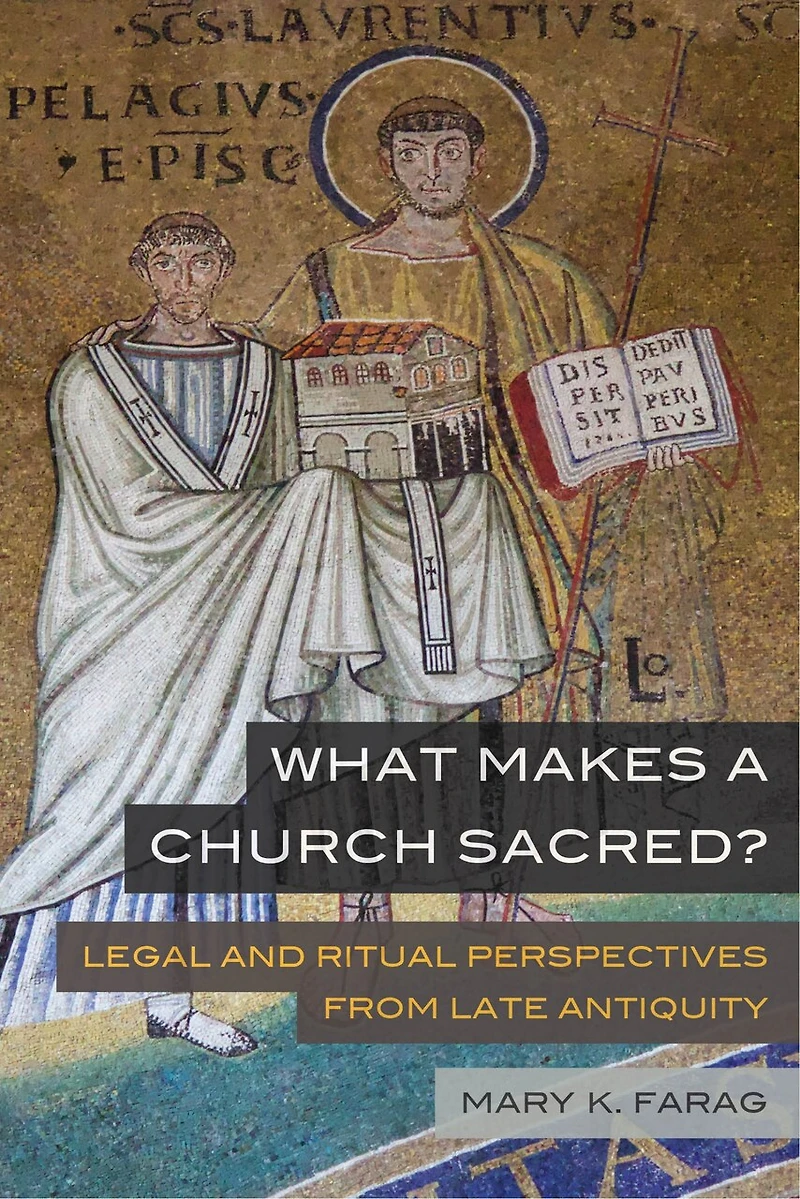
What Makes A Church Sacred?: Legal And Ritual Perspectives From Late Antiquity
Current price: $47.03

What Makes A Church Sacred?: Legal And Ritual Perspectives From Late Antiquity
Current price: $47.03
Loading Inventory...
Size: Paperback
*Product information may vary - to confirm product availability, pricing, shipping and return information please contact Indigo
A free open access ebook is available upon publication. Learn more at www.luminosoa.org .
What is the purpose of a church? Who owns a church? Mary K. Farag persuasively demonstrates that three groups in late antiquity were concerned with these questions: Christian leaders, wealthy laypersons, and lawmakers. Conflicting answers usually coexisted, but from time to time they clashed and caused significant tension. In these disputes, juridical regulations and opinions mattered more than has been traditionally recognized. Considering familiar Christian controversies in novel ways, Farag’s investigation shows that scholarship has misunderstood well-known religious figures by ignoring the legal issues they faced. This seminal text nuances vital aspects of scholarly conversations on sacred space, gift giving, wealth, and poverty in the late antique Mediterranean world, making use not only of Latin and Greek sources but also Coptic and Arabic evidence.
A free open access ebook is available upon publication. Learn more at www.luminosoa.org .
What is the purpose of a church? Who owns a church? Mary K. Farag persuasively demonstrates that three groups in late antiquity were concerned with these questions: Christian leaders, wealthy laypersons, and lawmakers. Conflicting answers usually coexisted, but from time to time they clashed and caused significant tension. In these disputes, juridical regulations and opinions mattered more than has been traditionally recognized. Considering familiar Christian controversies in novel ways, Farag’s investigation shows that scholarship has misunderstood well-known religious figures by ignoring the legal issues they faced. This seminal text nuances vital aspects of scholarly conversations on sacred space, gift giving, wealth, and poverty in the late antique Mediterranean world, making use not only of Latin and Greek sources but also Coptic and Arabic evidence.
You May Also Like








More About Indigo at Erin Mills Town Centre
The largest book retailer in Canada also offers toys, music, home décor, gifts and lifestyle products. What's Inside...Books, Magazines, CD’s and DVD’s, Toys and Gifts, Home Accents, Electronics, Baby’s and Children’s Section, Bath and Body, Kitchen and Bedroom, Stationary Located outside in the exterior plaza.
5015 Glen Erin Dr, Mississauga, ON L5M 0R7, Canada
Find Indigo at Erin Mills Town Centre in Mississauga ON
Visit Indigo at Erin Mills Town Centre in Mississauga ON