

GIVE THE PERFECT GIFT
Erin Mills Town Centre Gift Cards are the perfect choice for your gift giving needs.Purchase gift cards at kiosks near the food court or centre court, at Guest Services, or click below to purchase online.PURCHASE HEREHome
What's the Point of News?: A Study Ethical Journalism
Indigo
Loading Inventory...
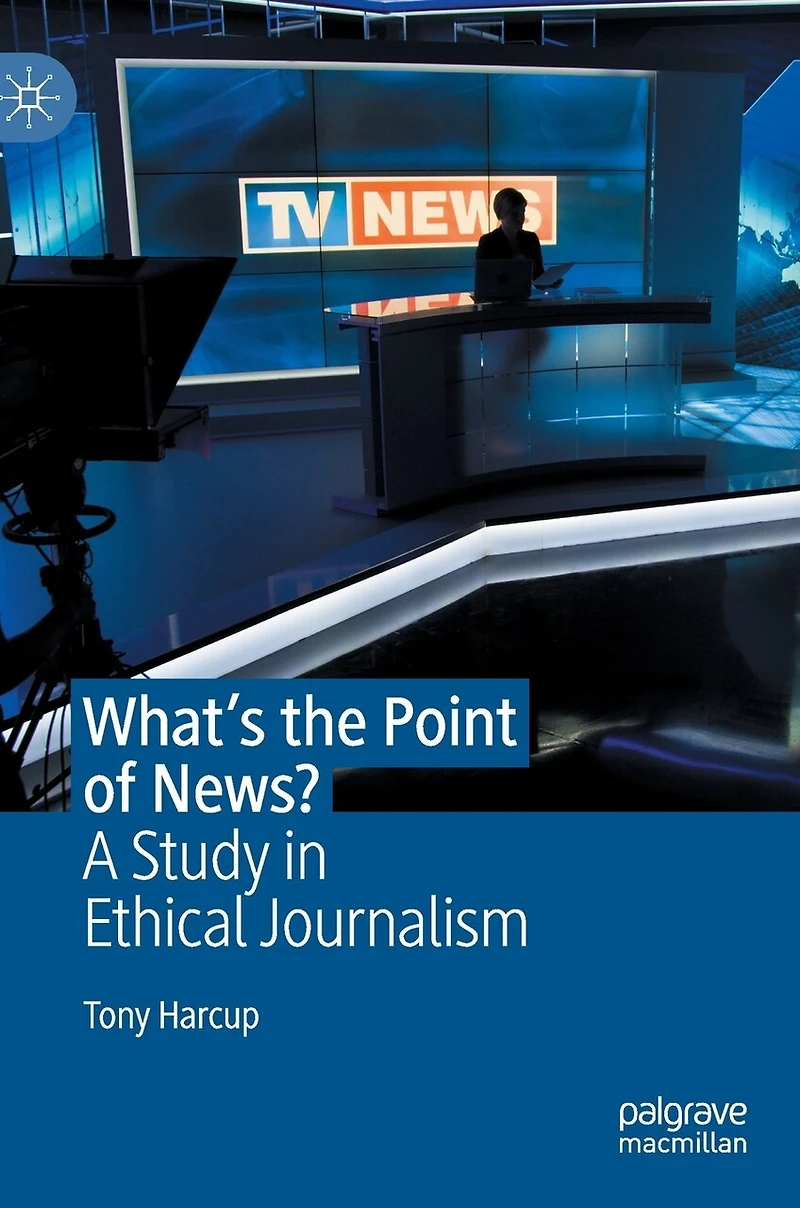
What's the Point of News?: A Study Ethical Journalism
Current price: $145.95

What's the Point of News?: A Study Ethical Journalism
Current price: $145.95
Loading Inventory...
Size: Hardcover
*Product information may vary - to confirm product availability, pricing, shipping and return information please contact Indigo
This book questions whether the news we get is as useful for citizens as it could, or should, be. This international study of news is based on re-thinking and re-conceptualising the news values that underpin understandings of journalism. It goes beyond empirical descriptions of what journalism is to explore normative ideas of what it might become if practised alongside commitments to ethical listening, active citizenship and social justice. It draws lessons from both alternative and mainstream media output; from both journalists and scholars; from both practice and theory. It challenges dominant news values by drawing on insights from feminism, peace journalism and other forms of critical thinking that are usually found on the margins of journalism studies. This original and engaging contribution to knowledge proposes an alternative set of contemporary news values that have significant implications for the news industry, for journalism education and for democracy itself.
This book questions whether the news we get is as useful for citizens as it could, or should, be. This international study of news is based on re-thinking and re-conceptualising the news values that underpin understandings of journalism. It goes beyond empirical descriptions of what journalism is to explore normative ideas of what it might become if practised alongside commitments to ethical listening, active citizenship and social justice. It draws lessons from both alternative and mainstream media output; from both journalists and scholars; from both practice and theory. It challenges dominant news values by drawing on insights from feminism, peace journalism and other forms of critical thinking that are usually found on the margins of journalism studies. This original and engaging contribution to knowledge proposes an alternative set of contemporary news values that have significant implications for the news industry, for journalism education and for democracy itself.
You May Also Like








More About Indigo at Erin Mills Town Centre
The largest book retailer in Canada also offers toys, music, home décor, gifts and lifestyle products. What's Inside...Books, Magazines, CD’s and DVD’s, Toys and Gifts, Home Accents, Electronics, Baby’s and Children’s Section, Bath and Body, Kitchen and Bedroom, Stationary Located outside in the exterior plaza.
5015 Glen Erin Dr, Mississauga, ON L5M 0R7, Canada
Find Indigo at Erin Mills Town Centre in Mississauga ON
Visit Indigo at Erin Mills Town Centre in Mississauga ON