

GIVE THE PERFECT GIFT
Erin Mills Town Centre Gift Cards are the perfect choice for your gift giving needs.Purchase gift cards at kiosks near the food court or centre court, at Guest Services, or click below to purchase online.PURCHASE HEREHome
When to Use What Research Design
Indigo
Loading Inventory...
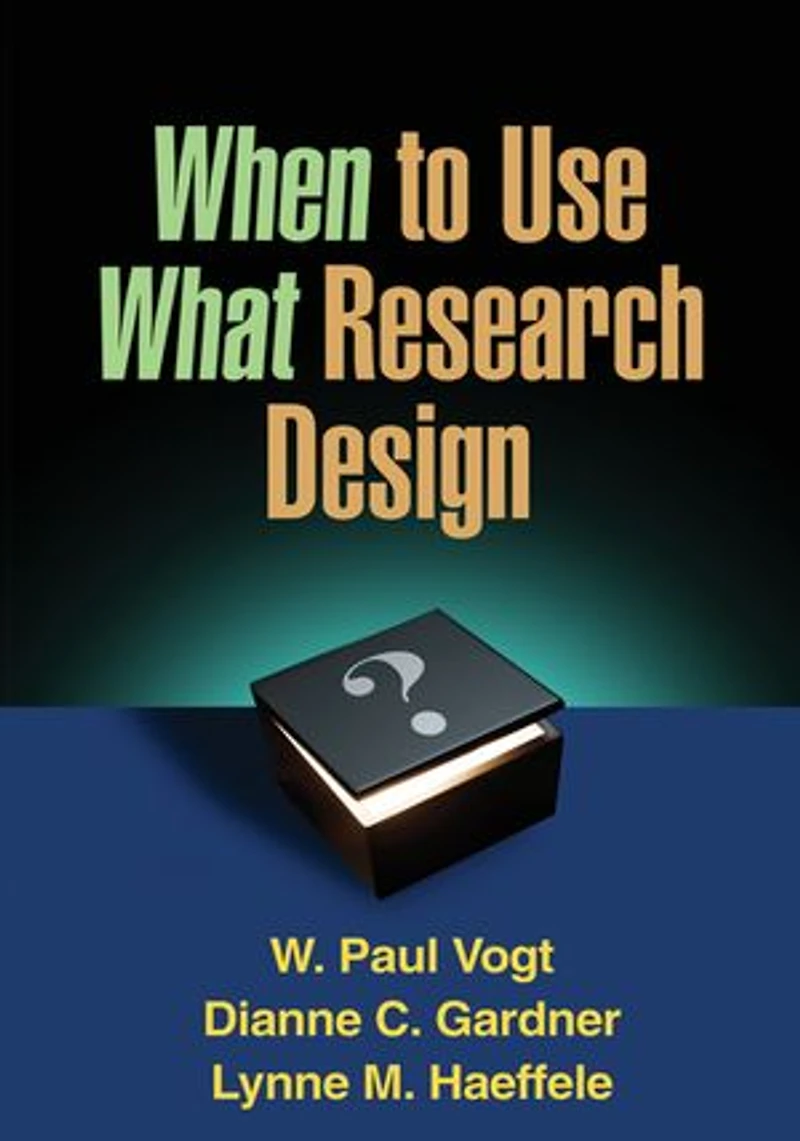
When to Use What Research Design
Current price: $62.39
Original price: $78.00

When to Use What Research Design
Current price: $62.39
Original price: $78.00
Loading Inventory...
Size: Kobo eBook
*Product information may vary - to confirm product availability, pricing, shipping and return information please contact Indigo
Systematic, practical, and accessible, this is the first book to focus on finding the most defensible design for a particular research question. Thoughtful guidelines are provided for weighing the advantages and disadvantages of various methods, including qualitative, quantitative, and mixed methods designs. The book can be read sequentially or readers can dip into chapters on specific stages of research (basic design choices, selecting and sampling participants, addressing ethical issues) or data collection methods (surveys, interviews, experiments, observations, archival studies, and combined methods). Many chapter headings and subheadings are written as questions, helping readers quickly find the answers they need to make informed choices that will affect the later analysis and interpretation of their data. Useful features include: *Easy-to-navigate part and chapter structure. *Engaging research examples from a variety of fields. *End-of-chapter tables that summarize the main points covered. *Detailed suggestions for further reading at the end of each chapter.
*Integration of data collection, sampling, and research ethics in one volume. *Comprehensive glossary. See also Vogt et al.'s Selecting the Right Analyses for Your Data, which addresses the next steps in coding, analyzing, and interpreting data.
Systematic, practical, and accessible, this is the first book to focus on finding the most defensible design for a particular research question. Thoughtful guidelines are provided for weighing the advantages and disadvantages of various methods, including qualitative, quantitative, and mixed methods designs. The book can be read sequentially or readers can dip into chapters on specific stages of research (basic design choices, selecting and sampling participants, addressing ethical issues) or data collection methods (surveys, interviews, experiments, observations, archival studies, and combined methods). Many chapter headings and subheadings are written as questions, helping readers quickly find the answers they need to make informed choices that will affect the later analysis and interpretation of their data. Useful features include: *Easy-to-navigate part and chapter structure. *Engaging research examples from a variety of fields. *End-of-chapter tables that summarize the main points covered. *Detailed suggestions for further reading at the end of each chapter.
*Integration of data collection, sampling, and research ethics in one volume. *Comprehensive glossary. See also Vogt et al.'s Selecting the Right Analyses for Your Data, which addresses the next steps in coding, analyzing, and interpreting data.
You May Also Like









More About Indigo at Erin Mills Town Centre
The largest book retailer in Canada also offers toys, music, home décor, gifts and lifestyle products. What's Inside...Books, Magazines, CD’s and DVD’s, Toys and Gifts, Home Accents, Electronics, Baby’s and Children’s Section, Bath and Body, Kitchen and Bedroom, Stationary Located outside in the exterior plaza.
5015 Glen Erin Dr, Mississauga, ON L5M 0R7, Canada
Find Indigo at Erin Mills Town Centre in Mississauga ON
Visit Indigo at Erin Mills Town Centre in Mississauga ON