

GIVE THE PERFECT GIFT
Erin Mills Town Centre Gift Cards are the perfect choice for your gift giving needs.Purchase gift cards at kiosks near the food court or centre court, at Guest Services, or click below to purchase online.PURCHASE HEREHome
Who Elected Oxfam?: A Democratic Defense Of Self-appointed Representatives
Indigo
Loading Inventory...
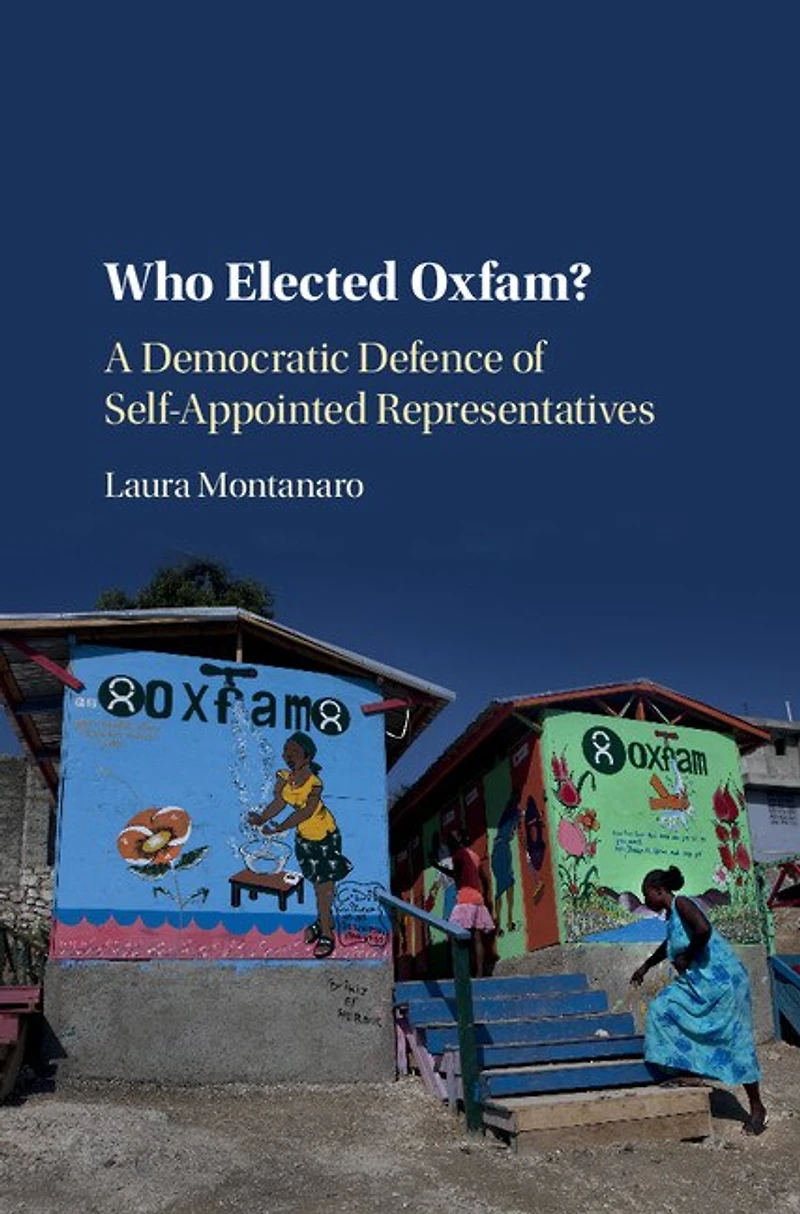
Who Elected Oxfam?: A Democratic Defense Of Self-appointed Representatives
Current price: $152.95

Who Elected Oxfam?: A Democratic Defense Of Self-appointed Representatives
Current price: $152.95
Loading Inventory...
Size: Hardcover
*Product information may vary - to confirm product availability, pricing, shipping and return information please contact Indigo
Non-elected actors, such as non-governmental organizations and celebrity activists, present themselves as representatives of others to audiences of decision-makers, such as state leaders, the European Union, the United Nations, and the World Trade Organization. These actors are increasingly included in the deliberation and decision-making processes of such institutions. To take one well-known example, the non-governmental organization, Oxfam, presses decision-makers and governments for fair trade rules on behalf of the world's poor. What entitles such 'self-appointed representatives' to speak and act for the poor? As The Economist asked, 'Who elected Oxfam?'. Montanaro claims that such actors can, and should, be conceptualized as representatives, and that they can - though do not always - represent others in a manner that we can recognize as democratic. However, in order to do so, we must stretch our imaginations beyond the standard normative framework of elections.
Non-elected actors, such as non-governmental organizations and celebrity activists, present themselves as representatives of others to audiences of decision-makers, such as state leaders, the European Union, the United Nations, and the World Trade Organization. These actors are increasingly included in the deliberation and decision-making processes of such institutions. To take one well-known example, the non-governmental organization, Oxfam, presses decision-makers and governments for fair trade rules on behalf of the world's poor. What entitles such 'self-appointed representatives' to speak and act for the poor? As The Economist asked, 'Who elected Oxfam?'. Montanaro claims that such actors can, and should, be conceptualized as representatives, and that they can - though do not always - represent others in a manner that we can recognize as democratic. However, in order to do so, we must stretch our imaginations beyond the standard normative framework of elections.
You May Also Like













More About Indigo at Erin Mills Town Centre
The largest book retailer in Canada also offers toys, music, home décor, gifts and lifestyle products. What's Inside...Books, Magazines, CD’s and DVD’s, Toys and Gifts, Home Accents, Electronics, Baby’s and Children’s Section, Bath and Body, Kitchen and Bedroom, Stationary Located outside in the exterior plaza.
5015 Glen Erin Dr, Mississauga, ON L5M 0R7, Canada
Find Indigo at Erin Mills Town Centre in Mississauga ON
Visit Indigo at Erin Mills Town Centre in Mississauga ON