

GIVE THE PERFECT GIFT
Erin Mills Town Centre Gift Cards are the perfect choice for your gift giving needs.Purchase gift cards at kiosks near the food court or centre court, at Guest Services, or click below to purchase online.PURCHASE HEREHome
Whole Person Education East Asian Universities: Perspectives from Philosophy and Beyond
Indigo
Loading Inventory...
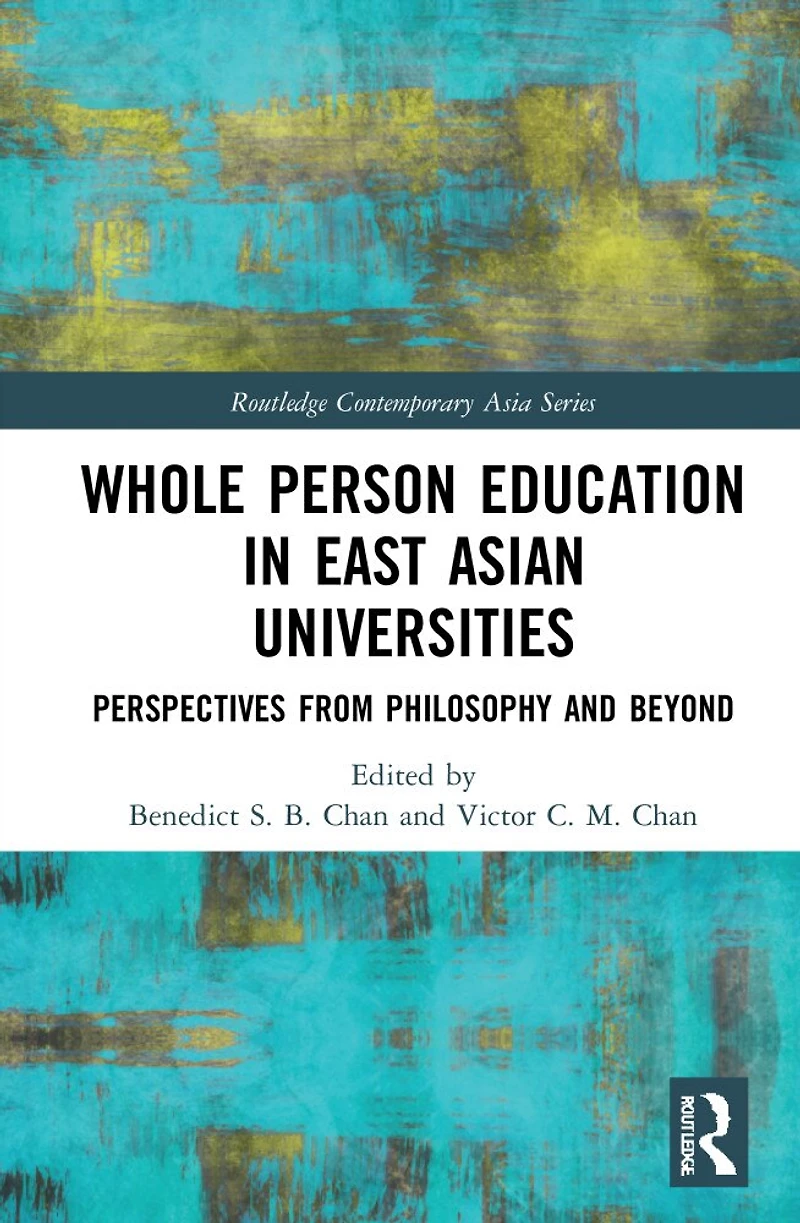
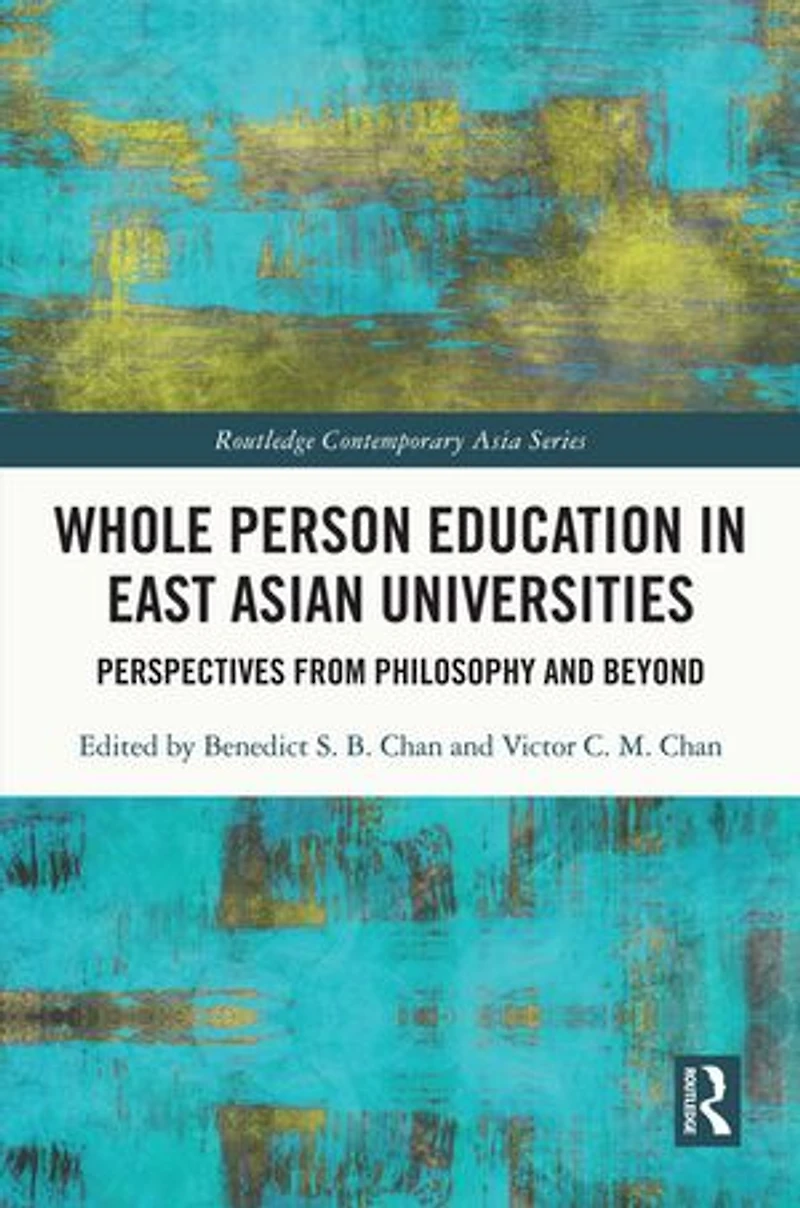
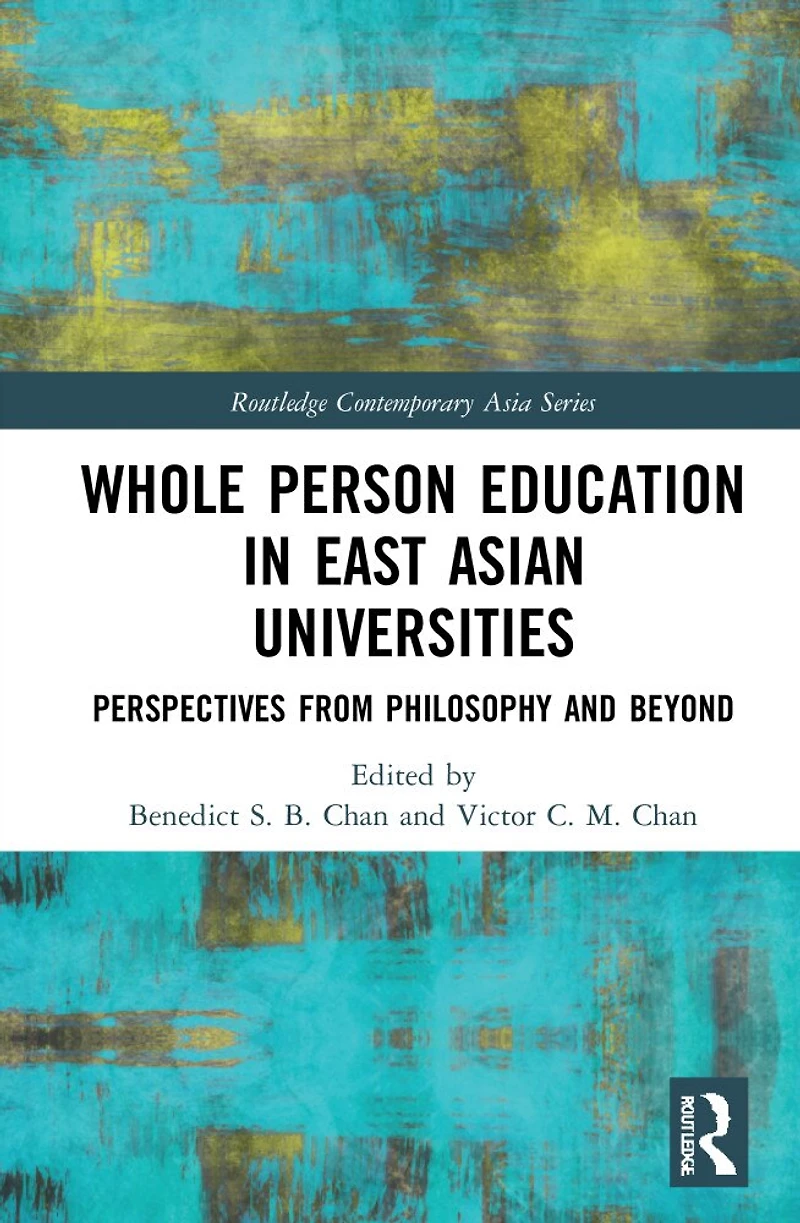
Whole Person Education East Asian Universities: Perspectives from Philosophy and Beyond
Current price: $296.50

Whole Person Education East Asian Universities: Perspectives from Philosophy and Beyond
Current price: $296.50
Loading Inventory...
Size: Hardcover
*Product information may vary - to confirm product availability, pricing, shipping and return information please contact Indigo
This book provides much new thinking on the phenomenon of whole-person education, a phenomenon which features strongly in East Asian universities, and which aims to develop students intellectually, spiritually, and ethically, to master critical thinking skills, to explore ethical challenges in the surrounding community, and to acquire a broad based foundation of knowledge in humanities, society, and nature. The book considers different approaches to whole person education, including Confucian, Buddhist, and Chinese perspectives, Western philosophy, and religion and interdisciplinary approaches. Overall, the book provides a comprehensive overview of whole person education, why it matters and how to implement it. Moreover, although the examples in the book are from East Asia, the discussion and the values involved are universal, important for the whole world.
This book provides much new thinking on the phenomenon of whole-person education, a phenomenon which features strongly in East Asian universities, and which aims to develop students intellectually, spiritually, and ethically, to master critical thinking skills, to explore ethical challenges in the surrounding community, and to acquire a broad based foundation of knowledge in humanities, society, and nature. The book considers different approaches to whole person education, including Confucian, Buddhist, and Chinese perspectives, Western philosophy, and religion and interdisciplinary approaches. Overall, the book provides a comprehensive overview of whole person education, why it matters and how to implement it. Moreover, although the examples in the book are from East Asia, the discussion and the values involved are universal, important for the whole world.
You May Also Like







More About Indigo at Erin Mills Town Centre
The largest book retailer in Canada also offers toys, music, home décor, gifts and lifestyle products. What's Inside...Books, Magazines, CD’s and DVD’s, Toys and Gifts, Home Accents, Electronics, Baby’s and Children’s Section, Bath and Body, Kitchen and Bedroom, Stationary Located outside in the exterior plaza.
5015 Glen Erin Dr, Mississauga, ON L5M 0R7, Canada
Find Indigo at Erin Mills Town Centre in Mississauga ON
Visit Indigo at Erin Mills Town Centre in Mississauga ON