

GIVE THE PERFECT GIFT
Erin Mills Town Centre Gift Cards are the perfect choice for your gift giving needs.Purchase gift cards at kiosks near the food court or centre court, at Guest Services, or click below to purchase online.PURCHASE HEREHome
Why Europe?: the Great Divergence and West's Rise to Global Predominance
Indigo
Loading Inventory...
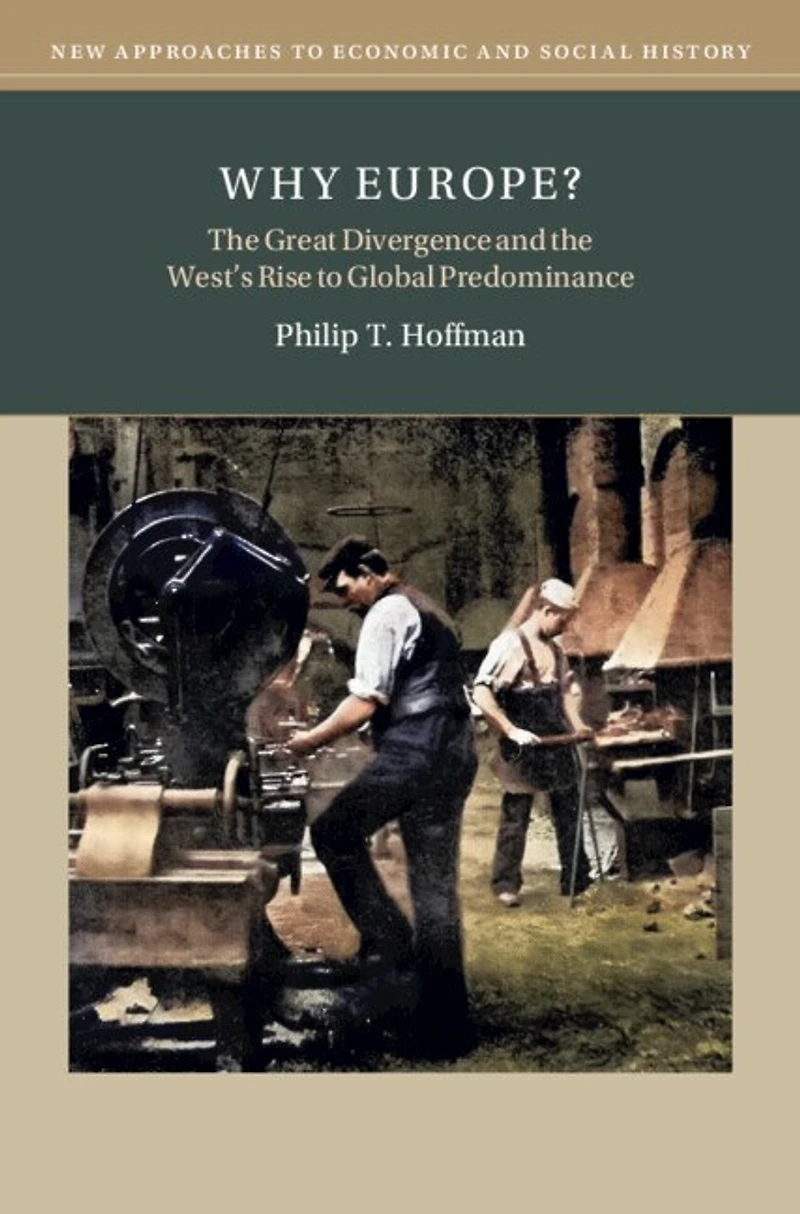
Why Europe?: the Great Divergence and West's Rise to Global Predominance
Current price: $114.95

Why Europe?: the Great Divergence and West's Rise to Global Predominance
Current price: $114.95
Loading Inventory...
Size: Hardcover
*Product information may vary - to confirm product availability, pricing, shipping and return information please contact Indigo
Economic growth transformed the world. It freed us from a world where nearly everyone was mired in poverty and half of all children died before reaching adulthood. However, these benefits have not been felt everywhere, nor by everyone. In this groundbreaking new account of the divergence between east and west, Philip T. Hoffman uncovers the ultimate causes of economic growth and the reasons why it originated in seventeenth-century western Europe. He examines the relative impacts of a wide range of economic, political, and social factors, from high wages, cheap capital, and financial institutions to political fragmentation, porous borders, and interstate warfare. Through accessible economic principles and fascinating case studies, he demonstrates why growth began in Britain, why it spread so unevenly elsewhere, and why inequality inhibits growth.
Economic growth transformed the world. It freed us from a world where nearly everyone was mired in poverty and half of all children died before reaching adulthood. However, these benefits have not been felt everywhere, nor by everyone. In this groundbreaking new account of the divergence between east and west, Philip T. Hoffman uncovers the ultimate causes of economic growth and the reasons why it originated in seventeenth-century western Europe. He examines the relative impacts of a wide range of economic, political, and social factors, from high wages, cheap capital, and financial institutions to political fragmentation, porous borders, and interstate warfare. Through accessible economic principles and fascinating case studies, he demonstrates why growth began in Britain, why it spread so unevenly elsewhere, and why inequality inhibits growth.
You May Also Like













More About Indigo at Erin Mills Town Centre
The largest book retailer in Canada also offers toys, music, home décor, gifts and lifestyle products. What's Inside...Books, Magazines, CD’s and DVD’s, Toys and Gifts, Home Accents, Electronics, Baby’s and Children’s Section, Bath and Body, Kitchen and Bedroom, Stationary Located outside in the exterior plaza.
5015 Glen Erin Dr, Mississauga, ON L5M 0R7, Canada
Find Indigo at Erin Mills Town Centre in Mississauga ON
Visit Indigo at Erin Mills Town Centre in Mississauga ON