

GIVE THE PERFECT GIFT
Erin Mills Town Centre Gift Cards are the perfect choice for your gift giving needs.Purchase gift cards at kiosks near the food court or centre court, at Guest Services, or click below to purchase online.PURCHASE HEREHome
Why Odysseus Came Home as a Stranger and Other Puzzling Moments in the Life of Buddha, Socrates, Jesus, Abraham, and other Great Individuals
Indigo
Loading Inventory...
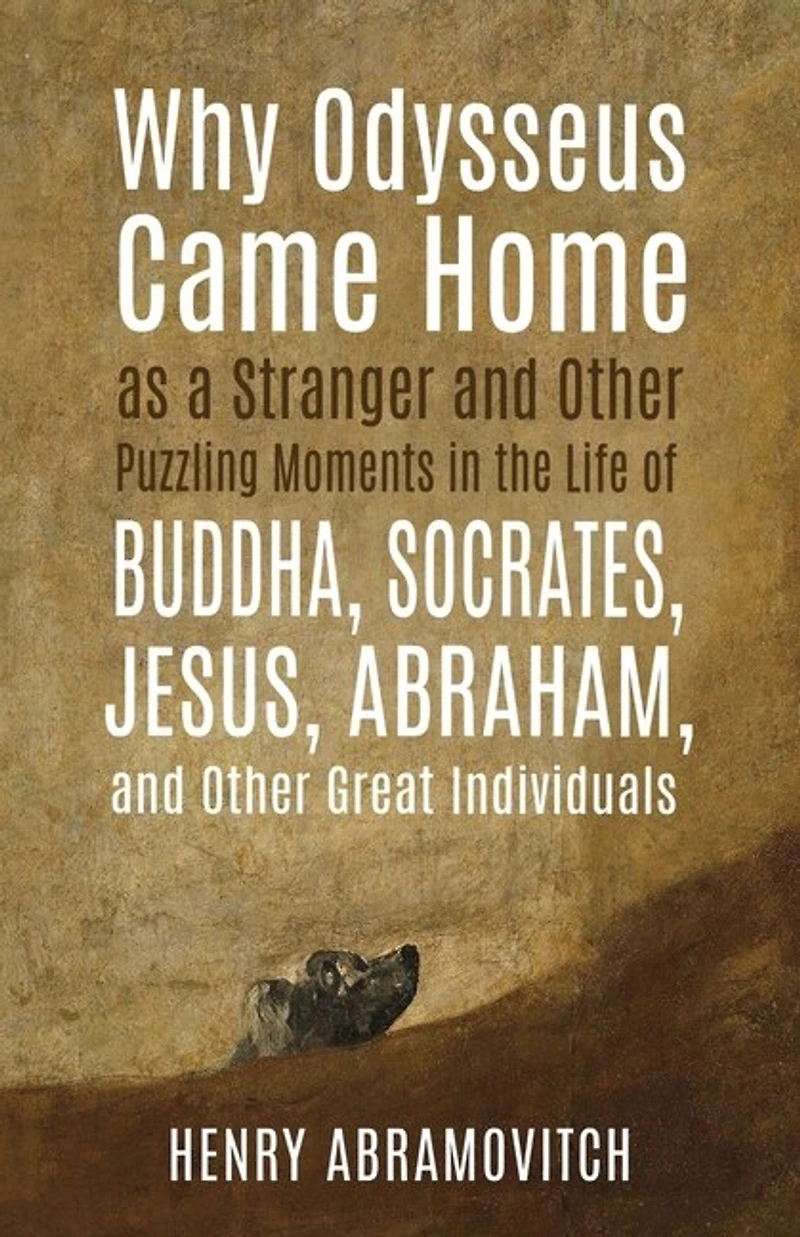
Why Odysseus Came Home as a Stranger and Other Puzzling Moments in the Life of Buddha, Socrates, Jesus, Abraham, and other Great Individuals
Current price: $35.10

Why Odysseus Came Home as a Stranger and Other Puzzling Moments in the Life of Buddha, Socrates, Jesus, Abraham, and other Great Individuals
Current price: $35.10
Loading Inventory...
Size: Paperback
*Product information may vary - to confirm product availability, pricing, shipping and return information please contact Indigo
Author Henry Abramovitch comes from a culture that encourages people to ask why. As a Jungian analyst, he also values questions. In reading the life stories of "Great Individuals," he often found himself asking the question, "Why?" Why did Arjuna, greatest general of his age refuse to fight? Why did Socrates remember his debt to Ascalapius, the god of healing, only in his last breath? Why did Jesus, the prophet of love, curse an innocent fig tree? Why did Odysseus come home as a stranger? The short essays in this book do not try to answer these questions, but they do provide a response, enriched by Jewish tradition and Jungian psychology.
Author Henry Abramovitch comes from a culture that encourages people to ask why. As a Jungian analyst, he also values questions. In reading the life stories of "Great Individuals," he often found himself asking the question, "Why?" Why did Arjuna, greatest general of his age refuse to fight? Why did Socrates remember his debt to Ascalapius, the god of healing, only in his last breath? Why did Jesus, the prophet of love, curse an innocent fig tree? Why did Odysseus come home as a stranger? The short essays in this book do not try to answer these questions, but they do provide a response, enriched by Jewish tradition and Jungian psychology.
You May Also Like









More About Indigo at Erin Mills Town Centre
The largest book retailer in Canada also offers toys, music, home décor, gifts and lifestyle products. What's Inside...Books, Magazines, CD’s and DVD’s, Toys and Gifts, Home Accents, Electronics, Baby’s and Children’s Section, Bath and Body, Kitchen and Bedroom, Stationary Located outside in the exterior plaza.
5015 Glen Erin Dr, Mississauga, ON L5M 0R7, Canada
Find Indigo at Erin Mills Town Centre in Mississauga ON
Visit Indigo at Erin Mills Town Centre in Mississauga ON