

GIVE THE PERFECT GIFT
Erin Mills Town Centre Gift Cards are the perfect choice for your gift giving needs.Purchase gift cards at kiosks near the food court or centre court, at Guest Services, or click below to purchase online.PURCHASE HEREHome
Why Postnatal Depression Matters
Indigo
Loading Inventory...
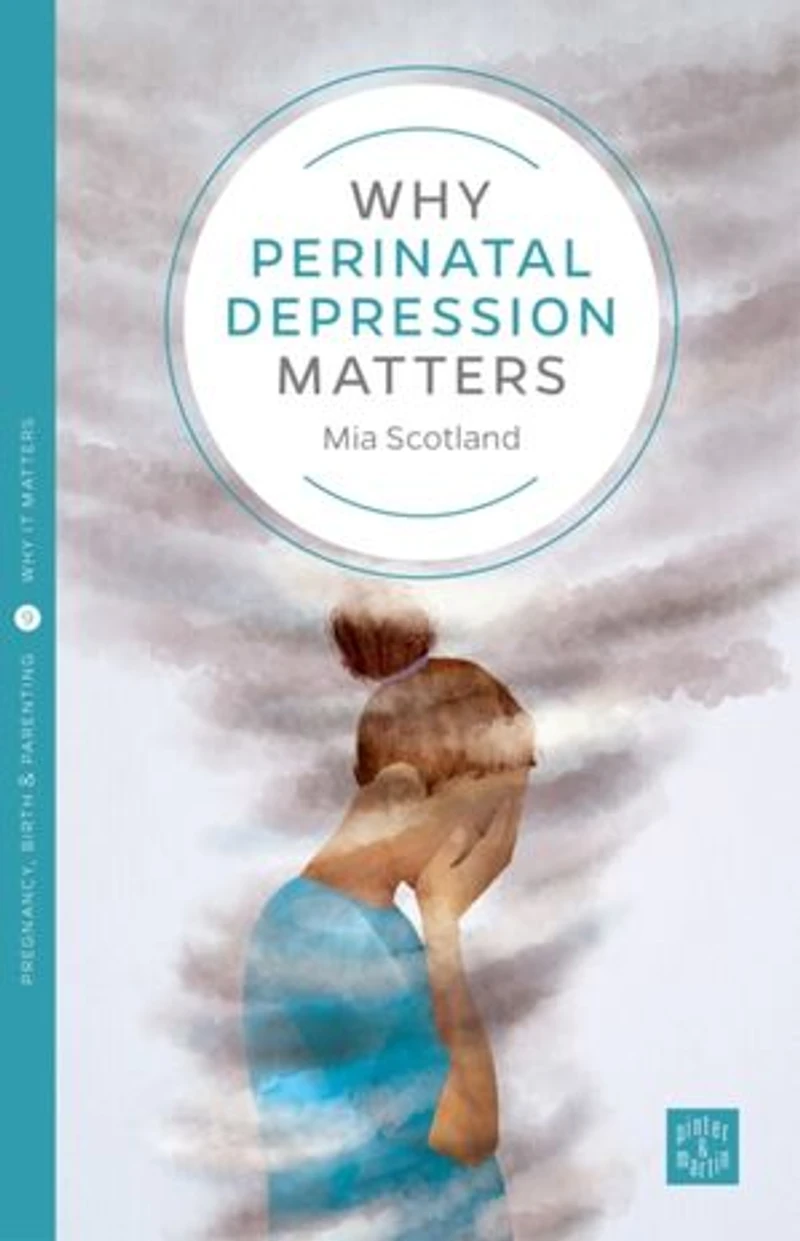
Why Postnatal Depression Matters
Current price: $8.09
Original price: $9.24

Why Postnatal Depression Matters
Current price: $8.09
Original price: $9.24
Loading Inventory...
Size: Kobo eBook
*Product information may vary - to confirm product availability, pricing, shipping and return information please contact Indigo
You have probably heard of postnatal depression, but did you know that most cases of postnatal depression actually began in pregnancy? And that most people who have antenatal depression have had depression in the past? And did you know that postnatal depression is not caused by women’s hormones gone awry; men are suffering postnatal and perinatal depression in larger and larger numbers too? This is why “postnatal depression” has now been renamed “perinatal depression”(‘peri’ means around, as in the word “perimeter”).
Why is the seemingly joyful event of new parenthood causing so much suffering? Depression seems to be related to the stresses that a modern couple undertake when they have a baby. The lack of support, lack of celebration, overload of expectations, overwhelming responsibility, isolation, judgment, blaming by the media, tiredness, mixed messages, confusion, high expectations and lack of tender loving care serve to eventually break parents and their relationships. And when we break parents, we break a baby. Babies are our future, and if we break a baby, in the long run, we break society. Postnatal depression takes a high toll on society. Dealing effectively with perinatal depression is about valuing love, connection, calm and stillness, over and above productivity, achievement and acquisition.
You have probably heard of postnatal depression, but did you know that most cases of postnatal depression actually began in pregnancy? And that most people who have antenatal depression have had depression in the past? And did you know that postnatal depression is not caused by women’s hormones gone awry; men are suffering postnatal and perinatal depression in larger and larger numbers too? This is why “postnatal depression” has now been renamed “perinatal depression”(‘peri’ means around, as in the word “perimeter”).
Why is the seemingly joyful event of new parenthood causing so much suffering? Depression seems to be related to the stresses that a modern couple undertake when they have a baby. The lack of support, lack of celebration, overload of expectations, overwhelming responsibility, isolation, judgment, blaming by the media, tiredness, mixed messages, confusion, high expectations and lack of tender loving care serve to eventually break parents and their relationships. And when we break parents, we break a baby. Babies are our future, and if we break a baby, in the long run, we break society. Postnatal depression takes a high toll on society. Dealing effectively with perinatal depression is about valuing love, connection, calm and stillness, over and above productivity, achievement and acquisition.
You May Also Like












More About Indigo at Erin Mills Town Centre
The largest book retailer in Canada also offers toys, music, home décor, gifts and lifestyle products. What's Inside...Books, Magazines, CD’s and DVD’s, Toys and Gifts, Home Accents, Electronics, Baby’s and Children’s Section, Bath and Body, Kitchen and Bedroom, Stationary Located outside in the exterior plaza.
5015 Glen Erin Dr, Mississauga, ON L5M 0R7, Canada
Find Indigo at Erin Mills Town Centre in Mississauga ON
Visit Indigo at Erin Mills Town Centre in Mississauga ON