

GIVE THE PERFECT GIFT
Erin Mills Town Centre Gift Cards are the perfect choice for your gift giving needs.Purchase gift cards at kiosks near the food court or centre court, at Guest Services, or click below to purchase online.PURCHASE HEREHome
Why The Russian Constitution Matters: Constitutional Dark Arts
Indigo
Loading Inventory...
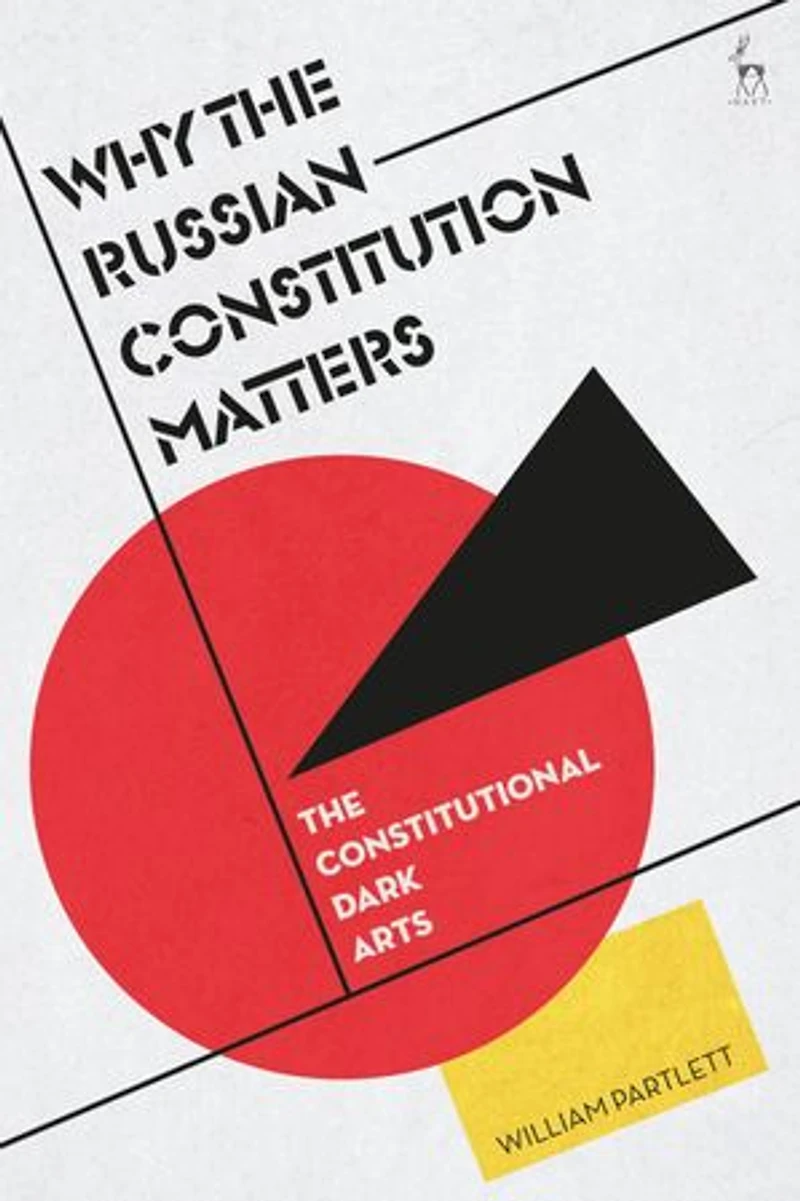
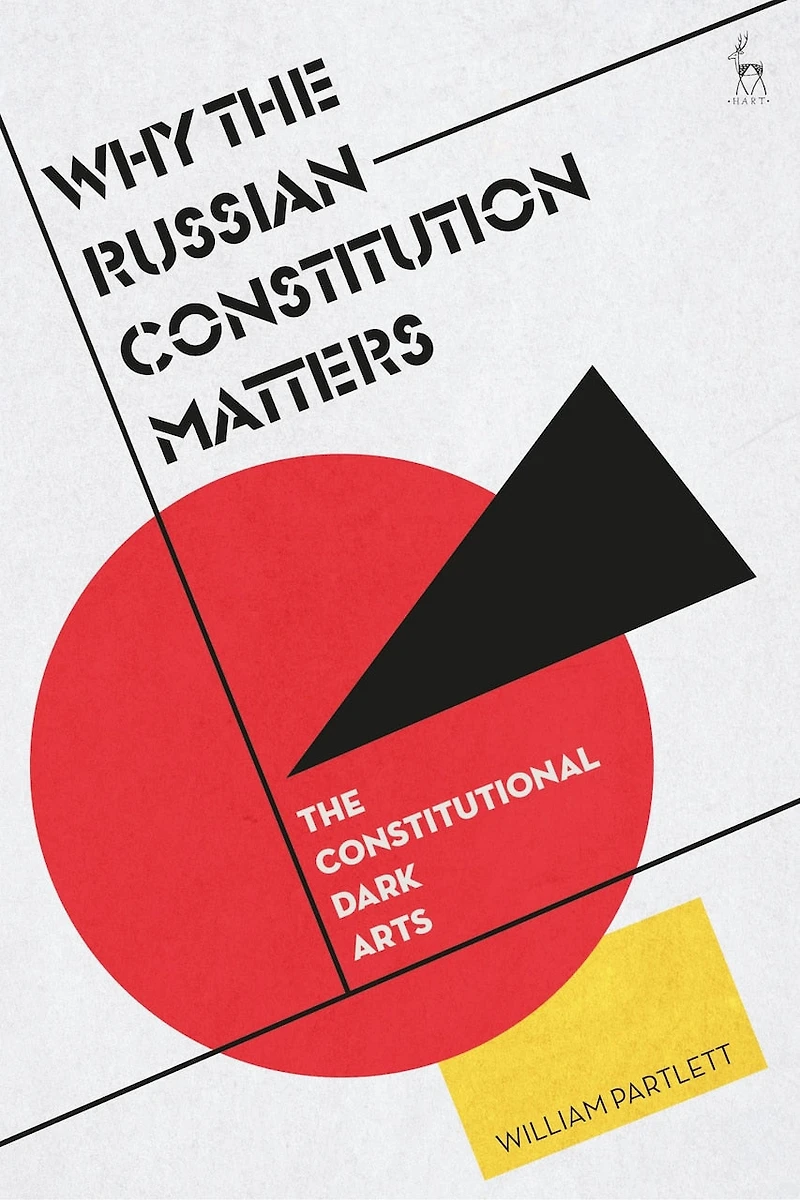
Why The Russian Constitution Matters: Constitutional Dark Arts
Current price: $32.79
Original price: $40.95

Why The Russian Constitution Matters: Constitutional Dark Arts
Current price: $32.79
Original price: $40.95
Loading Inventory...
Size: Kobo eBook
*Product information may vary - to confirm product availability, pricing, shipping and return information please contact Indigo
This book challenges the common view that the Russian Constitution is a sham or a reflection of Russia's authoritarian past. It instead shows that the Russian Constitution was a product of the constitutional 'dark arts', an increasingly common constitutional practice that seeks to guarantee liberal democracy and individual rights in a system of highly centralised power. Over time in Russia, the centralisation of power in the president has undermined the constitution's democratic and rights protections. This Russian experience matters for three reasons. First, it shows that Russian authoritarianism is neither the personal creation of Vladimir Putin nor a natural reflection of Russian history. It is instead the product of a centralised constitutional system. A democratic Russia is possible but requires more than just Putin leaving office - it also requires breaking with Russia's constitutional commitment to centralisation. Second, it demonstrates the role that the constitutional dark arts play in populist authoritarianism around the world. In these contexts, centralisation allows one office to claim popular legitimacy and dominate politics while (generally falsely) also claiming to respect individual rights and democracy. Third, it reveals that democratic constitutions are more than legal texts enforced in court. They are more fundamentally political texts that create a balanced state with political checks on the centralisation of political power. These checks and balances do not just limit state power and protect rights; they also enable the state to better understand and advance the general well-being of its citizens. This book therefore provides critical guidance to those involved in building democracy in a post-Putin Russia. It is also important to those seeking to better understand the role that constitutions play in shaping both authoritarian and democratic politics.
This book challenges the common view that the Russian Constitution is a sham or a reflection of Russia's authoritarian past. It instead shows that the Russian Constitution was a product of the constitutional 'dark arts', an increasingly common constitutional practice that seeks to guarantee liberal democracy and individual rights in a system of highly centralised power. Over time in Russia, the centralisation of power in the president has undermined the constitution's democratic and rights protections. This Russian experience matters for three reasons. First, it shows that Russian authoritarianism is neither the personal creation of Vladimir Putin nor a natural reflection of Russian history. It is instead the product of a centralised constitutional system. A democratic Russia is possible but requires more than just Putin leaving office - it also requires breaking with Russia's constitutional commitment to centralisation. Second, it demonstrates the role that the constitutional dark arts play in populist authoritarianism around the world. In these contexts, centralisation allows one office to claim popular legitimacy and dominate politics while (generally falsely) also claiming to respect individual rights and democracy. Third, it reveals that democratic constitutions are more than legal texts enforced in court. They are more fundamentally political texts that create a balanced state with political checks on the centralisation of political power. These checks and balances do not just limit state power and protect rights; they also enable the state to better understand and advance the general well-being of its citizens. This book therefore provides critical guidance to those involved in building democracy in a post-Putin Russia. It is also important to those seeking to better understand the role that constitutions play in shaping both authoritarian and democratic politics.
You May Also Like









More About Indigo at Erin Mills Town Centre
The largest book retailer in Canada also offers toys, music, home décor, gifts and lifestyle products. What's Inside...Books, Magazines, CD’s and DVD’s, Toys and Gifts, Home Accents, Electronics, Baby’s and Children’s Section, Bath and Body, Kitchen and Bedroom, Stationary Located outside in the exterior plaza.
5015 Glen Erin Dr, Mississauga, ON L5M 0R7, Canada
Find Indigo at Erin Mills Town Centre in Mississauga ON
Visit Indigo at Erin Mills Town Centre in Mississauga ON