

GIVE THE PERFECT GIFT
Erin Mills Town Centre Gift Cards are the perfect choice for your gift giving needs.Purchase gift cards at kiosks near the food court or centre court, at Guest Services, or click below to purchase online.PURCHASE HEREHome
Wii U Architecture: Architecture of Consoles: A Practical Analysis, #21
Indigo
Loading Inventory...
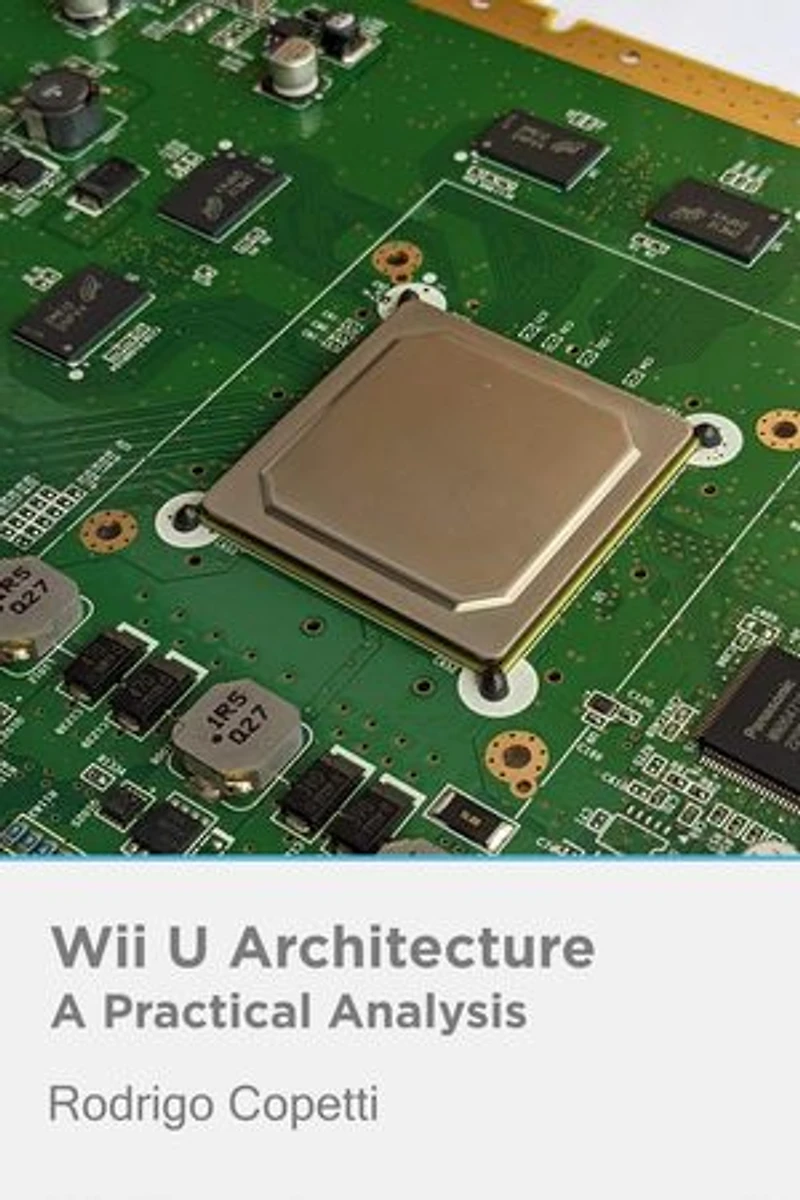
Wii U Architecture: Architecture of Consoles: A Practical Analysis, #21
Current price: $4.99

Wii U Architecture: Architecture of Consoles: A Practical Analysis, #21
Current price: $4.99
Loading Inventory...
Size: Kobo eBook
*Product information may vary - to confirm product availability, pricing, shipping and return information please contact Indigo
Already faced with the difficult challenge of replicating the triumph of the Wii, Nintendo's new product also needed to save its loyal customers from the temptation of cheap smartphones and tablets. The result was a console that combines radical innovation with cost-effectiveness. In there, users found imaginative interaction methods while developers had to deal with the legacy technology underneath them.
The new issue of the Architecture of consoles has arrived. This time, we take a look at what would be Nintendo's last joint project with IBM and AMD.
Architecture of Consoles: A Practical Analysis
Looking at the evolution of video game consoles is fascinating. While conventional PCs tend to evolve 'incrementally', new generations of consoles introduce completely new ways of working. What you see here is a series of articles that will hopefully uncover the rationale behind the latest trends in technology. They will also demonstrate why each system can't be summarised by its 'bits', megahertz, amount of RAM and whatnot.
This is not a developer manual, just an in depth introduction to how each system worked internally. Bear in mind that tech has gotten really complicated lately, so if you struggle to follow my latest articles, try reading the early ones first. They introduce many concepts and definitions that are constantly revisited. Basic knowledge of computing is preferable, however, I try really hard to adapt my content for wider audiences, so please don't be afraid to give it a try!
About this edition
This edition originates from the article initially published on my personal website, it's been re-styled to take advantage of the capabilities of eBook documents.
While identical content-wise, interactive widgets have been simplified to work with a static environment - in other words, anything that physical pages allow us :), though these will offer a link to the original article in case the reader wants to try the 'full version'. Please keep this in mind when you see references to interactivity throughout the writings.
Already faced with the difficult challenge of replicating the triumph of the Wii, Nintendo's new product also needed to save its loyal customers from the temptation of cheap smartphones and tablets. The result was a console that combines radical innovation with cost-effectiveness. In there, users found imaginative interaction methods while developers had to deal with the legacy technology underneath them.
The new issue of the Architecture of consoles has arrived. This time, we take a look at what would be Nintendo's last joint project with IBM and AMD.
Architecture of Consoles: A Practical Analysis
Looking at the evolution of video game consoles is fascinating. While conventional PCs tend to evolve 'incrementally', new generations of consoles introduce completely new ways of working. What you see here is a series of articles that will hopefully uncover the rationale behind the latest trends in technology. They will also demonstrate why each system can't be summarised by its 'bits', megahertz, amount of RAM and whatnot.
This is not a developer manual, just an in depth introduction to how each system worked internally. Bear in mind that tech has gotten really complicated lately, so if you struggle to follow my latest articles, try reading the early ones first. They introduce many concepts and definitions that are constantly revisited. Basic knowledge of computing is preferable, however, I try really hard to adapt my content for wider audiences, so please don't be afraid to give it a try!
About this edition
This edition originates from the article initially published on my personal website, it's been re-styled to take advantage of the capabilities of eBook documents.
While identical content-wise, interactive widgets have been simplified to work with a static environment - in other words, anything that physical pages allow us :), though these will offer a link to the original article in case the reader wants to try the 'full version'. Please keep this in mind when you see references to interactivity throughout the writings.
You May Also Like



![A Concise History and Analysis of All the Principal Styles of Architecture, by an Amateur [E. Boid.]](https://cdn.mall.adeptmind.ai/https%253A%252F%252Fcdn.shopify.com%252Fs%252Ffiles%252F1%252F0655%252F8980%252F5233%252Ffiles%252F1_7d865050-e537-4858-9c96-32283db64c7b.jpg_medium.webp)









More About Indigo at Erin Mills Town Centre
The largest book retailer in Canada also offers toys, music, home décor, gifts and lifestyle products. What's Inside...Books, Magazines, CD’s and DVD’s, Toys and Gifts, Home Accents, Electronics, Baby’s and Children’s Section, Bath and Body, Kitchen and Bedroom, Stationary Located outside in the exterior plaza.
5015 Glen Erin Dr, Mississauga, ON L5M 0R7, Canada
Find Indigo at Erin Mills Town Centre in Mississauga ON
Visit Indigo at Erin Mills Town Centre in Mississauga ON