

GIVE THE PERFECT GIFT
Erin Mills Town Centre Gift Cards are the perfect choice for your gift giving needs.Purchase gift cards at kiosks near the food court or centre court, at Guest Services, or click below to purchase online.PURCHASE HEREHome
Wittgenstein and Relativism
Indigo
Loading Inventory...
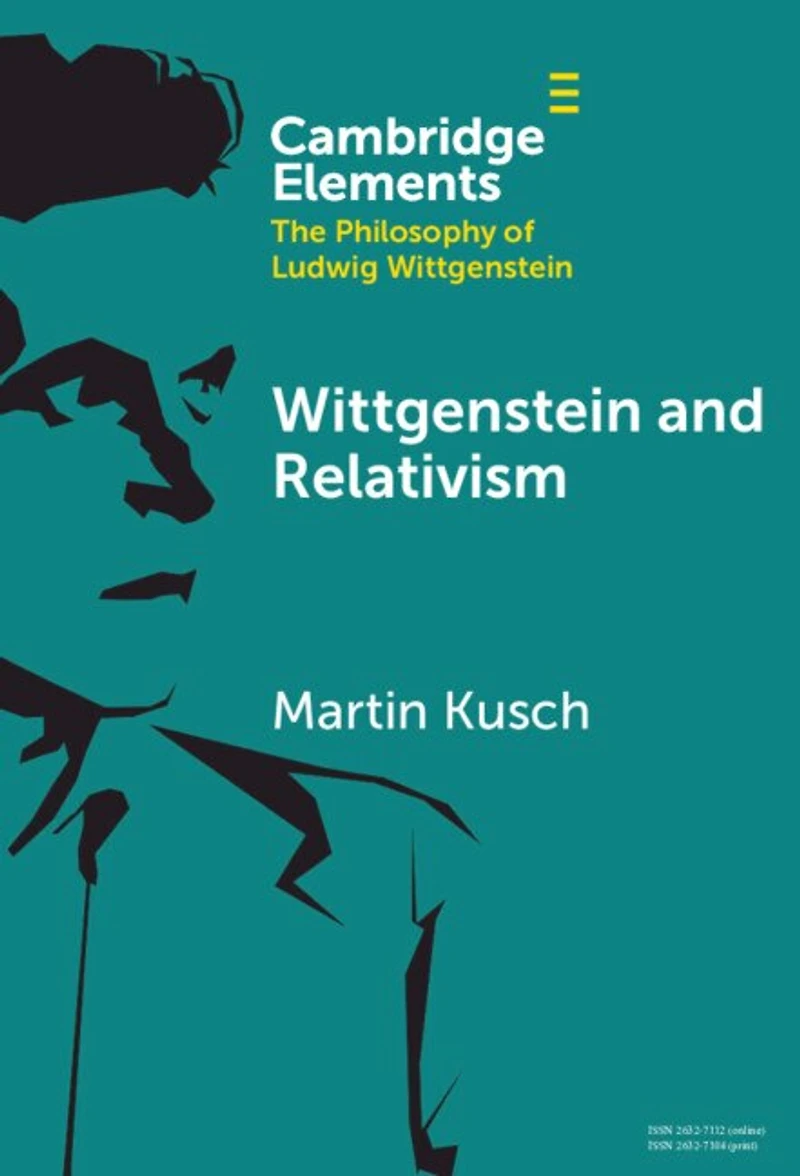
Wittgenstein and Relativism
Current price: $94.73

Wittgenstein and Relativism
Current price: $94.73
Loading Inventory...
Size: Hardcover
*Product information may vary - to confirm product availability, pricing, shipping and return information please contact Indigo
When scholars discuss the question whether Wittgenstein was a relativist, they invariably draw their criteria from recent definitions of relativism. This study tries a different route: it identifies conceptions of relativism that were influential in the early twentieth century, and uses them as foils for interpreting Wittgenstein's philosophy. Section 1 investigates what Wittgenstein meant in speaking of his 'ethnological perspective,' and how this perspective relates to 'cultural relativism' in anthropology around 1900. Section 2 focuses on Wittgenstein's reflections on logic and mathematics as 'ethnological phenomena.' In this context, the ethnological perspective brought Wittgenstein close to positions that many of his contemporaries denounced as 'psychologism' and 'sociologism.' Section 3 highlights the role of the ethnological perspective in Wittgenstein's remarks on 'certainties.' Many of these remarks would have been counted as relativistic by leading members of the 'Vienna Circle.'
When scholars discuss the question whether Wittgenstein was a relativist, they invariably draw their criteria from recent definitions of relativism. This study tries a different route: it identifies conceptions of relativism that were influential in the early twentieth century, and uses them as foils for interpreting Wittgenstein's philosophy. Section 1 investigates what Wittgenstein meant in speaking of his 'ethnological perspective,' and how this perspective relates to 'cultural relativism' in anthropology around 1900. Section 2 focuses on Wittgenstein's reflections on logic and mathematics as 'ethnological phenomena.' In this context, the ethnological perspective brought Wittgenstein close to positions that many of his contemporaries denounced as 'psychologism' and 'sociologism.' Section 3 highlights the role of the ethnological perspective in Wittgenstein's remarks on 'certainties.' Many of these remarks would have been counted as relativistic by leading members of the 'Vienna Circle.'
You May Also Like








More About Indigo at Erin Mills Town Centre
The largest book retailer in Canada also offers toys, music, home décor, gifts and lifestyle products. What's Inside...Books, Magazines, CD’s and DVD’s, Toys and Gifts, Home Accents, Electronics, Baby’s and Children’s Section, Bath and Body, Kitchen and Bedroom, Stationary Located outside in the exterior plaza.
5015 Glen Erin Dr, Mississauga, ON L5M 0R7, Canada
Find Indigo at Erin Mills Town Centre in Mississauga ON
Visit Indigo at Erin Mills Town Centre in Mississauga ON