

GIVE THE PERFECT GIFT
Erin Mills Town Centre Gift Cards are the perfect choice for your gift giving needs.Purchase gift cards at kiosks near the food court or centre court, at Guest Services, or click below to purchase online.PURCHASE HEREHome
Women and Religious Life in Byzantium
Indigo
Loading Inventory...
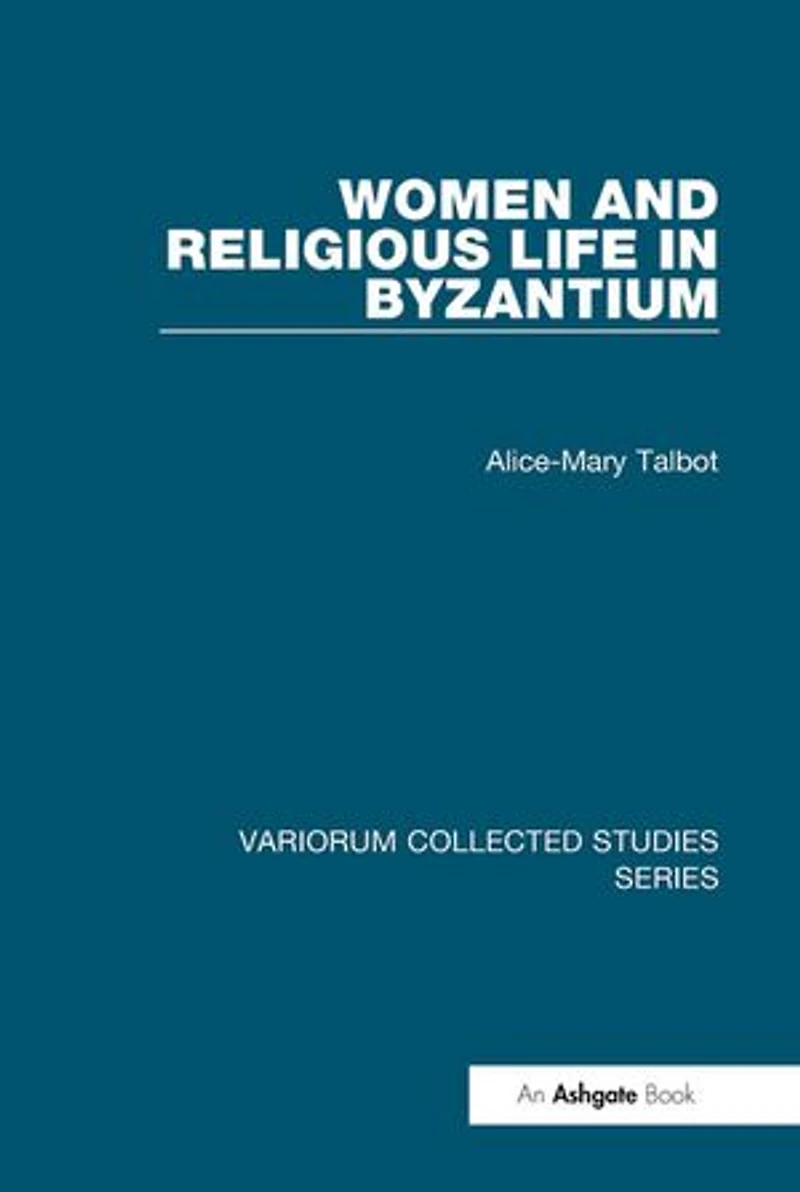
Women and Religious Life in Byzantium
Current price: $105.85

Women and Religious Life in Byzantium
Current price: $105.85
Loading Inventory...
Size: Kobo eBook
*Product information may vary - to confirm product availability, pricing, shipping and return information please contact Indigo
After an introductory general essay on the life cycle and status of women in Byzantine society, this volume focuses on female religious life, with particular emphasis on the role of convents - as spiritual sanctuary, refuge for women in need, or provider of charitable services. Several essays compare Byzantine nunneries with male monasteries, pointing out the relatively small size and lack of intellectual and artistic activity in convents, and more rigorous rules of enclosure and stability. Such phenomena as double monasteries, the conversion of a monastery to a nunnery, and women's economic and spiritual ties with Mount Athos are also examined. Other articles investigate issues of female sanctity and sanctification, analyzing types of women saints, women during the era of iconoclasm, and the role of the family in promoting the cult of a holy woman. In addition there are studies on healing shrines in Constantinople in the middle Byzantine and Palaiologan periods, and the resurgence of hagiographical writing in the late Byzantine era, particularly the reworking of the vitae of older saints.
After an introductory general essay on the life cycle and status of women in Byzantine society, this volume focuses on female religious life, with particular emphasis on the role of convents - as spiritual sanctuary, refuge for women in need, or provider of charitable services. Several essays compare Byzantine nunneries with male monasteries, pointing out the relatively small size and lack of intellectual and artistic activity in convents, and more rigorous rules of enclosure and stability. Such phenomena as double monasteries, the conversion of a monastery to a nunnery, and women's economic and spiritual ties with Mount Athos are also examined. Other articles investigate issues of female sanctity and sanctification, analyzing types of women saints, women during the era of iconoclasm, and the role of the family in promoting the cult of a holy woman. In addition there are studies on healing shrines in Constantinople in the middle Byzantine and Palaiologan periods, and the resurgence of hagiographical writing in the late Byzantine era, particularly the reworking of the vitae of older saints.
You May Also Like







More About Indigo at Erin Mills Town Centre
The largest book retailer in Canada also offers toys, music, home décor, gifts and lifestyle products. What's Inside...Books, Magazines, CD’s and DVD’s, Toys and Gifts, Home Accents, Electronics, Baby’s and Children’s Section, Bath and Body, Kitchen and Bedroom, Stationary Located outside in the exterior plaza.
5015 Glen Erin Dr, Mississauga, ON L5M 0R7, Canada
Find Indigo at Erin Mills Town Centre in Mississauga ON
Visit Indigo at Erin Mills Town Centre in Mississauga ON