

GIVE THE PERFECT GIFT
Erin Mills Town Centre Gift Cards are the perfect choice for your gift giving needs.Purchase gift cards at kiosks near the food court or centre court, at Guest Services, or click below to purchase online.PURCHASE HEREHome
Women's Criminality in Europe, 1600–1914
Indigo
Loading Inventory...
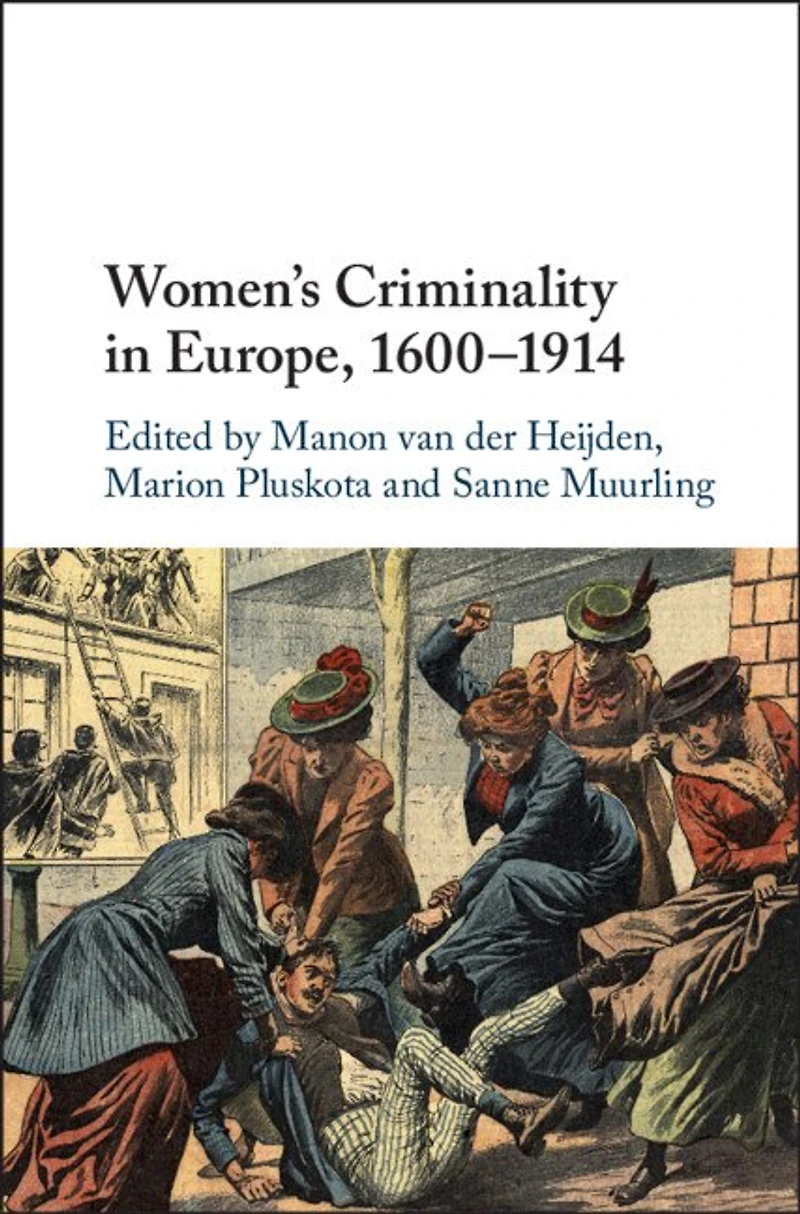
Women's Criminality in Europe, 1600–1914
Current price: $152.95

Women's Criminality in Europe, 1600–1914
Current price: $152.95
Loading Inventory...
Size: Hardcover
*Product information may vary - to confirm product availability, pricing, shipping and return information please contact Indigo
Bringing together the most current research on the relationship between crime and gender in the West between 1600 and 1914, this authoritative volume places female criminality within its everyday context. It reveals how their socio-economic and cultural contexts provided women with 'agency' against a range of European backdrops, despite a fundamentally patriarchal criminal justice system, and includes in-depth analysis of original sources to show how changing living standards, employment, schooling and welfare arrangements had a direct impact on the quality of life of working class women, their risk of becoming involved in crime, and the likelihood of being prosecuted for it. Rather than treating women's criminality as always exceptional, this study draws out the similarities between female and male criminality, demonstrating how an understanding of specific cultural and socio-economic contexts is essential to explain female criminality, both why their criminal patterns changed, and how their crimes were represented by contemporaries.
Bringing together the most current research on the relationship between crime and gender in the West between 1600 and 1914, this authoritative volume places female criminality within its everyday context. It reveals how their socio-economic and cultural contexts provided women with 'agency' against a range of European backdrops, despite a fundamentally patriarchal criminal justice system, and includes in-depth analysis of original sources to show how changing living standards, employment, schooling and welfare arrangements had a direct impact on the quality of life of working class women, their risk of becoming involved in crime, and the likelihood of being prosecuted for it. Rather than treating women's criminality as always exceptional, this study draws out the similarities between female and male criminality, demonstrating how an understanding of specific cultural and socio-economic contexts is essential to explain female criminality, both why their criminal patterns changed, and how their crimes were represented by contemporaries.
You May Also Like









More About Indigo at Erin Mills Town Centre
The largest book retailer in Canada also offers toys, music, home décor, gifts and lifestyle products. What's Inside...Books, Magazines, CD’s and DVD’s, Toys and Gifts, Home Accents, Electronics, Baby’s and Children’s Section, Bath and Body, Kitchen and Bedroom, Stationary Located outside in the exterior plaza.
5015 Glen Erin Dr, Mississauga, ON L5M 0R7, Canada
Find Indigo at Erin Mills Town Centre in Mississauga ON
Visit Indigo at Erin Mills Town Centre in Mississauga ON