

GIVE THE PERFECT GIFT
Erin Mills Town Centre Gift Cards are the perfect choice for your gift giving needs.Purchase gift cards at kiosks near the food court or centre court, at Guest Services, or click below to purchase online.PURCHASE HEREHome
Wonder Confronts Certainty: Russian Writers on the Timeless Questions and Why Their Answers Matter
Indigo
Loading Inventory...
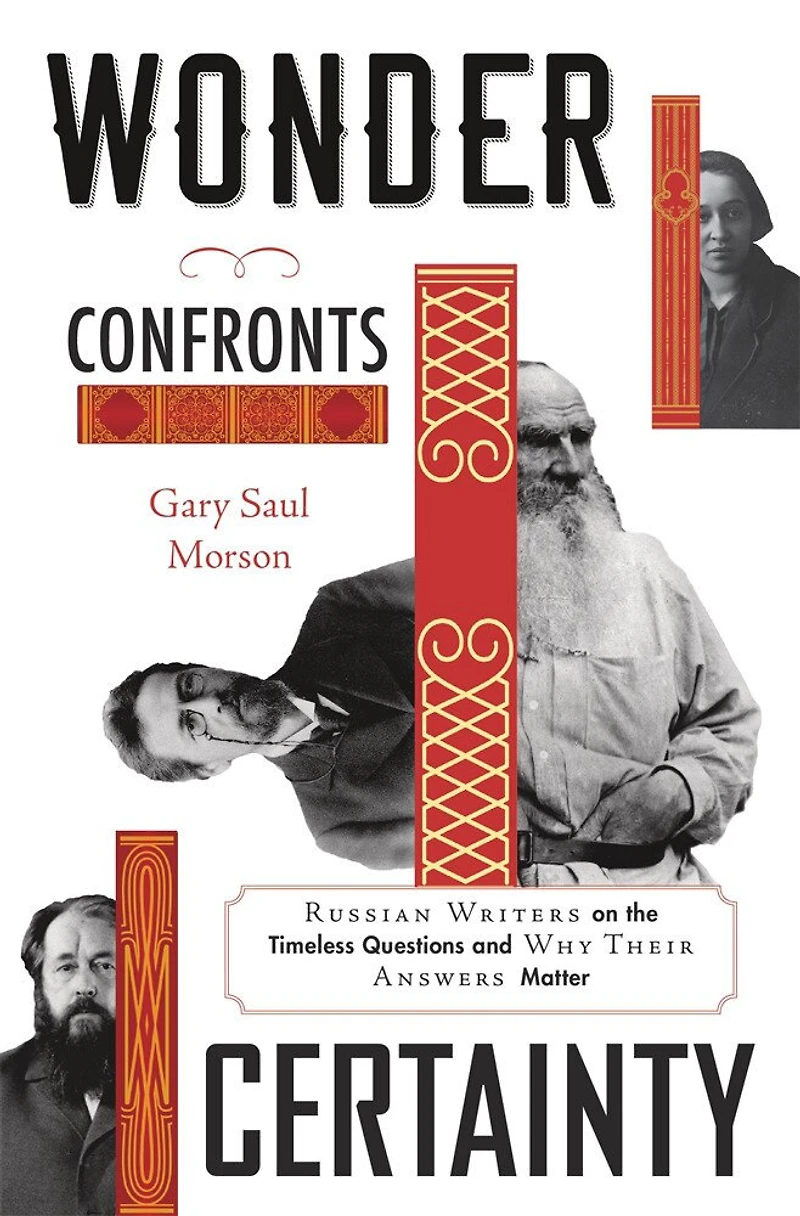
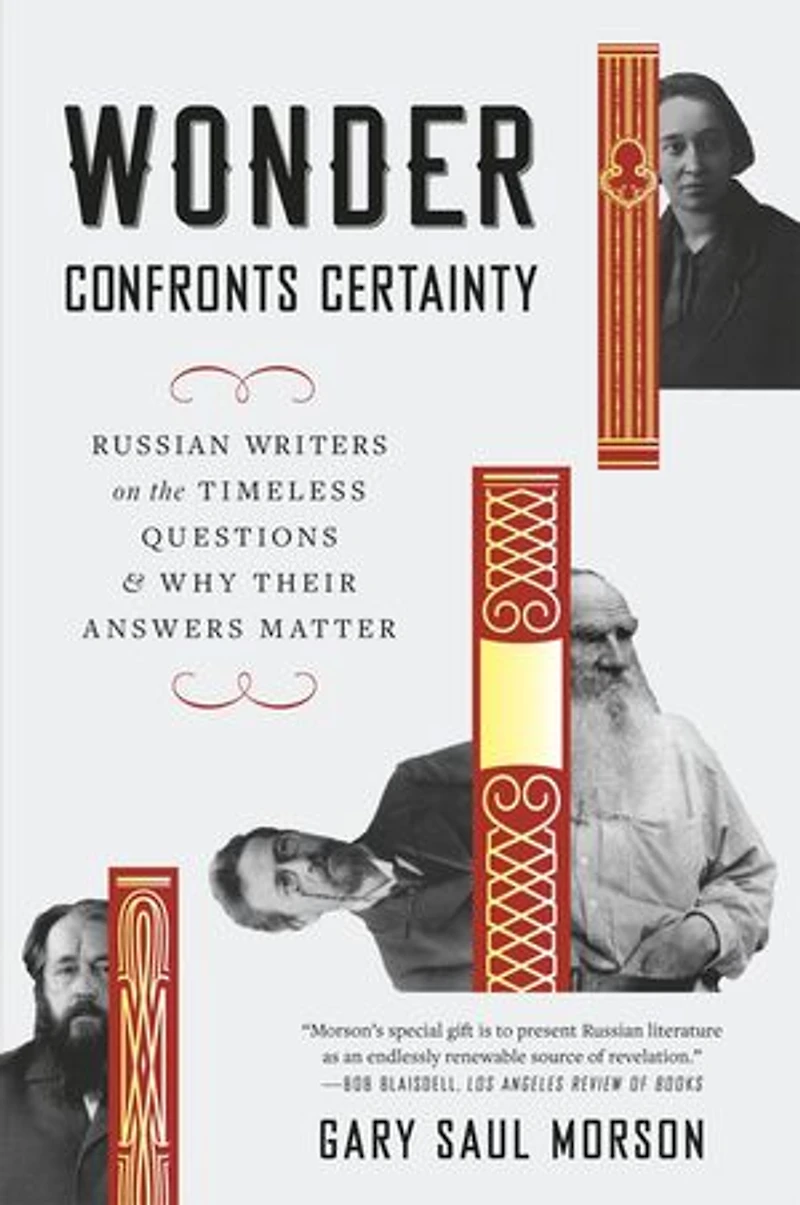
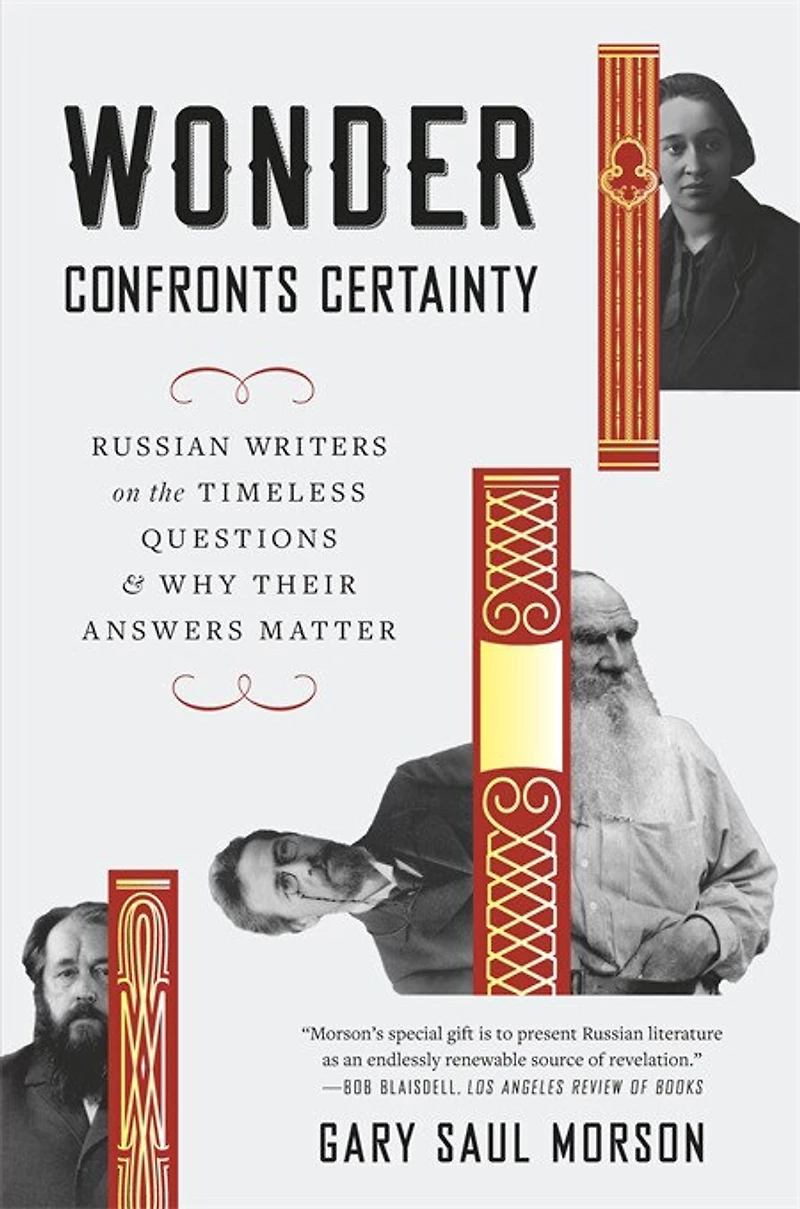
Wonder Confronts Certainty: Russian Writers on the Timeless Questions and Why Their Answers Matter
Current price: $50.95

Wonder Confronts Certainty: Russian Writers on the Timeless Questions and Why Their Answers Matter
Current price: $50.95
Loading Inventory...
Size: Hardcover
*Product information may vary - to confirm product availability, pricing, shipping and return information please contact Indigo
A noted literary scholar traverses the Russian canon, exploring how realists, idealists, and revolutionaries debated good and evil, moral responsibility, and freedom.
Since the age of Tolstoy, Dostoevsky, and Chekhov, Russian literature has posed questions about good and evil, moral responsibility, and human freedom with a clarity and intensity found nowhere else. In this wide-ranging meditation, Gary Saul Morson delineates intellectual debates that have coursed through two centuries of Russian writing, as the greatest thinkers of the empire and then the Soviet Union enchanted readers with their idealism, philosophical insight, and revolutionary fervor.
Morson describes the Russian literary tradition as an argument between a radical intelligentsia that uncompromisingly followed ideology down the paths of revolution and violence, and writers who probed ever more deeply into the human condition. The debate concerned what Russians called “the accursed questions”: If there is no God, are good and evil merely human constructs? Should we look for life’s essence in ordinary or extreme conditions? Are individual minds best understood in terms of an overarching theory or, as Tolstoy thought, by tracing the “tiny alternations of consciousness”? Exploring apologia for bloodshed, Morson adapts Mikhail Bakhtin’s concept of the non-alibi—the idea that one cannot escape or displace responsibility for one’s actions. And, throughout, Morson isolates a characteristic theme of Russian culture: how the aspiration to relieve profound suffering can lead to either heartfelt empathy or bloodthirsty tyranny.
What emerges is a contest between unyielding dogmatism and open-minded dialogue, between heady certainty and a humble sense of wonder at the world’s elusive complexity—a thought-provoking journey into inescapable questions.
A noted literary scholar traverses the Russian canon, exploring how realists, idealists, and revolutionaries debated good and evil, moral responsibility, and freedom.
Since the age of Tolstoy, Dostoevsky, and Chekhov, Russian literature has posed questions about good and evil, moral responsibility, and human freedom with a clarity and intensity found nowhere else. In this wide-ranging meditation, Gary Saul Morson delineates intellectual debates that have coursed through two centuries of Russian writing, as the greatest thinkers of the empire and then the Soviet Union enchanted readers with their idealism, philosophical insight, and revolutionary fervor.
Morson describes the Russian literary tradition as an argument between a radical intelligentsia that uncompromisingly followed ideology down the paths of revolution and violence, and writers who probed ever more deeply into the human condition. The debate concerned what Russians called “the accursed questions”: If there is no God, are good and evil merely human constructs? Should we look for life’s essence in ordinary or extreme conditions? Are individual minds best understood in terms of an overarching theory or, as Tolstoy thought, by tracing the “tiny alternations of consciousness”? Exploring apologia for bloodshed, Morson adapts Mikhail Bakhtin’s concept of the non-alibi—the idea that one cannot escape or displace responsibility for one’s actions. And, throughout, Morson isolates a characteristic theme of Russian culture: how the aspiration to relieve profound suffering can lead to either heartfelt empathy or bloodthirsty tyranny.
What emerges is a contest between unyielding dogmatism and open-minded dialogue, between heady certainty and a humble sense of wonder at the world’s elusive complexity—a thought-provoking journey into inescapable questions.
You May Also Like







More About Indigo at Erin Mills Town Centre
The largest book retailer in Canada also offers toys, music, home décor, gifts and lifestyle products. What's Inside...Books, Magazines, CD’s and DVD’s, Toys and Gifts, Home Accents, Electronics, Baby’s and Children’s Section, Bath and Body, Kitchen and Bedroom, Stationary Located outside in the exterior plaza.
5015 Glen Erin Dr, Mississauga, ON L5M 0R7, Canada
Find Indigo at Erin Mills Town Centre in Mississauga ON
Visit Indigo at Erin Mills Town Centre in Mississauga ON