

GIVE THE PERFECT GIFT
Erin Mills Town Centre Gift Cards are the perfect choice for your gift giving needs.Purchase gift cards at kiosks near the food court or centre court, at Guest Services, or click below to purchase online.PURCHASE HEREHome
Words and Power: Computers, Language, and U.S. Cold War Values
Indigo
Loading Inventory...
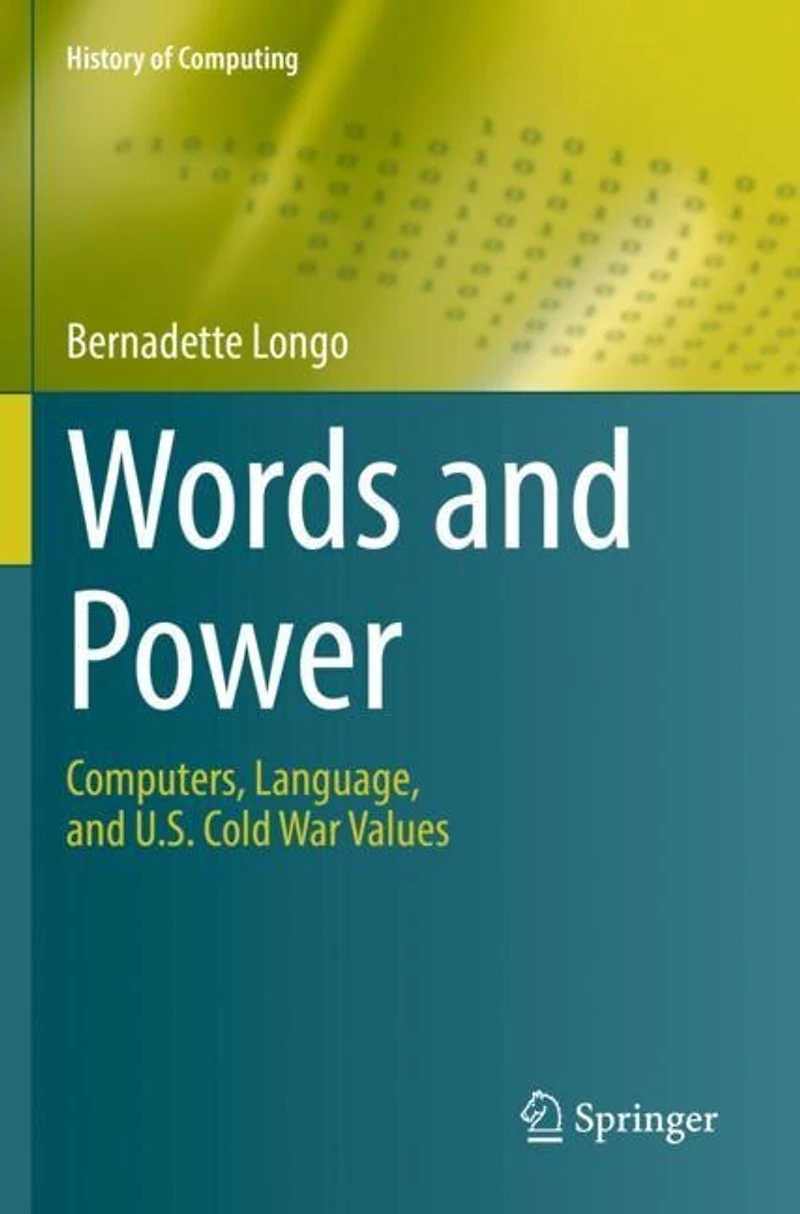
Words and Power: Computers, Language, and U.S. Cold War Values
Current price: $55.50

Words and Power: Computers, Language, and U.S. Cold War Values
Current price: $55.50
Loading Inventory...
Size: Paperback
*Product information may vary - to confirm product availability, pricing, shipping and return information please contact Indigo
When viewed through a political lens, the act of defining terms in natural language arguably transforms knowledge into values. This unique volume explores how corporate, military, academic, and professional values shaped efforts to define computer terminology and establish an information engineering profession as a precursor to what would become computer science. As the Cold War heated up, U.S. federal agencies increasingly funded university researchers and labs to develop technologies, like the computer, that would ensure that the U.S. maintained economic prosperity and military dominance over the Soviet Union. At the same time, private corporations saw opportunities for partnering with university labs and military agencies to generate profits as they strengthened their business positions in civilian sectors. They needed a common vocabulary and principles of streamlined communication to underpin the technology development that would ensure national prosperity and military dominance.
investigates how language standardization contributed to the professionalization of computer science as separate from mathematics, electrical engineering, and physics
examines traditions of language standardization in earlier eras of rapid technology development around electricity and radio
highlights the importance of the analogy of "the computer is like a human" to early explanations of computer design and logic
traces design and development of electronic computers within political and economic contexts
foregrounds the importance of human relationships in decisions about computer design
This in-depth humanistic study argues for the importance of natural language in shaping what people come to think of as possible and impossible relationships between computers and humans. The work is a key reference in the history of technology and serves as a source textbook on the human-level history of computing. In addition, it addresses those with interests in sociolinguistic questions around technology studies, as well as technology development at the nexus of politics, business, and human relations.
When viewed through a political lens, the act of defining terms in natural language arguably transforms knowledge into values. This unique volume explores how corporate, military, academic, and professional values shaped efforts to define computer terminology and establish an information engineering profession as a precursor to what would become computer science. As the Cold War heated up, U.S. federal agencies increasingly funded university researchers and labs to develop technologies, like the computer, that would ensure that the U.S. maintained economic prosperity and military dominance over the Soviet Union. At the same time, private corporations saw opportunities for partnering with university labs and military agencies to generate profits as they strengthened their business positions in civilian sectors. They needed a common vocabulary and principles of streamlined communication to underpin the technology development that would ensure national prosperity and military dominance.
investigates how language standardization contributed to the professionalization of computer science as separate from mathematics, electrical engineering, and physics
examines traditions of language standardization in earlier eras of rapid technology development around electricity and radio
highlights the importance of the analogy of "the computer is like a human" to early explanations of computer design and logic
traces design and development of electronic computers within political and economic contexts
foregrounds the importance of human relationships in decisions about computer design
This in-depth humanistic study argues for the importance of natural language in shaping what people come to think of as possible and impossible relationships between computers and humans. The work is a key reference in the history of technology and serves as a source textbook on the human-level history of computing. In addition, it addresses those with interests in sociolinguistic questions around technology studies, as well as technology development at the nexus of politics, business, and human relations.
You May Also Like


















More About Indigo at Erin Mills Town Centre
The largest book retailer in Canada also offers toys, music, home décor, gifts and lifestyle products. What's Inside...Books, Magazines, CD’s and DVD’s, Toys and Gifts, Home Accents, Electronics, Baby’s and Children’s Section, Bath and Body, Kitchen and Bedroom, Stationary Located outside in the exterior plaza.
5015 Glen Erin Dr, Mississauga, ON L5M 0R7, Canada
Find Indigo at Erin Mills Town Centre in Mississauga ON
Visit Indigo at Erin Mills Town Centre in Mississauga ON