

GIVE THE PERFECT GIFT
Erin Mills Town Centre Gift Cards are the perfect choice for your gift giving needs.Purchase gift cards at kiosks near the food court or centre court, at Guest Services, or click below to purchase online.PURCHASE HEREHome
Working On The Dock Of Bay: Labor And Enterprise An Antebellum Southern Port
Indigo
Loading Inventory...
Working On The Dock Of Bay: Labor And Enterprise An Antebellum Southern Port
Current price: $62.00

Working On The Dock Of Bay: Labor And Enterprise An Antebellum Southern Port
Current price: $62.00
Loading Inventory...
Size: Hardcover
*Product information may vary - to confirm product availability, pricing, shipping and return information please contact Indigo
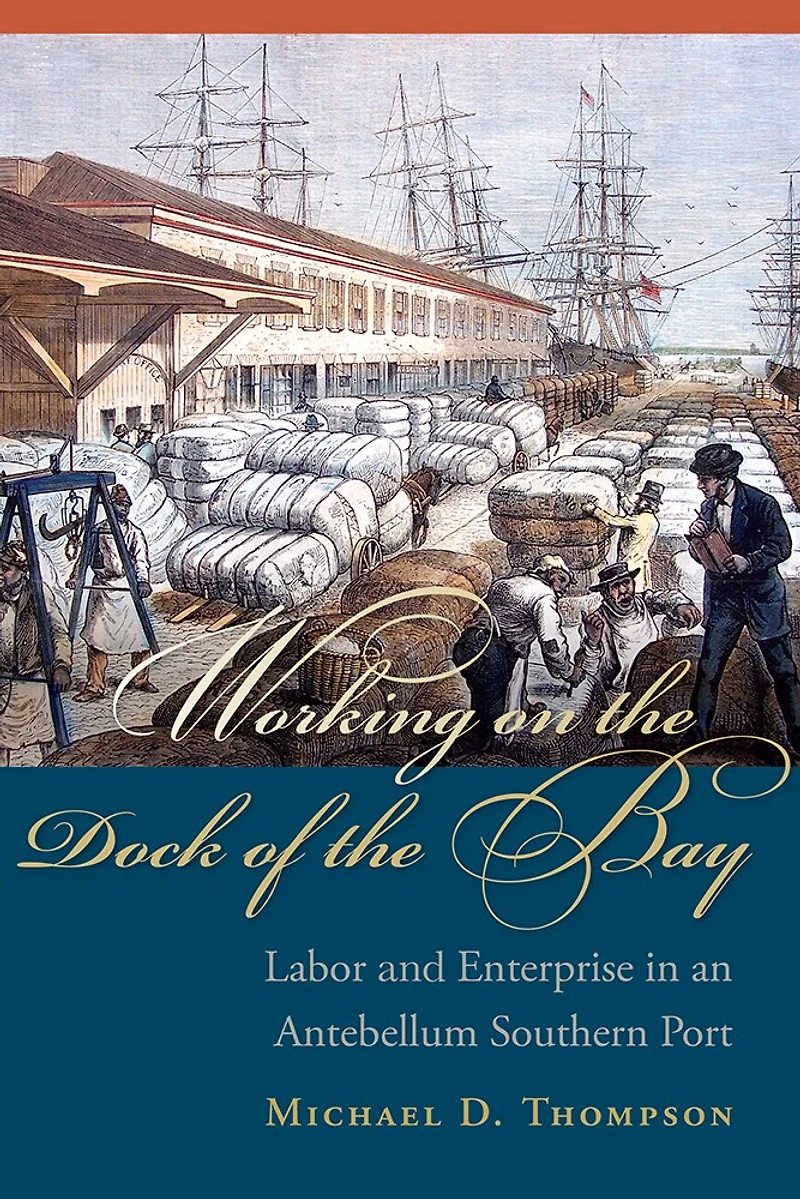
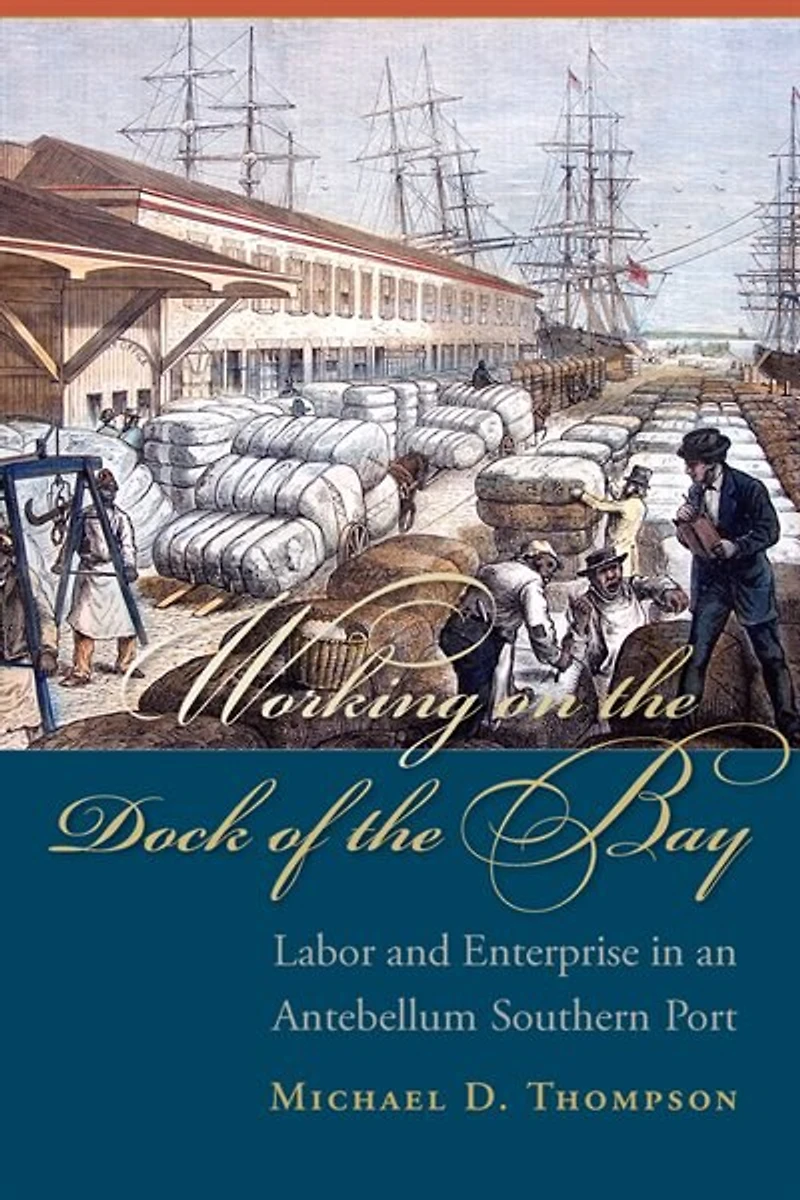
An examination of the role and struggles of enslaved dockworkers shortly after the emancipation Working on the Dock of the Bay explores the history of waterfront labor and laborers-black and white, enslaved and free, native and immigrant-in Charleston, South Carolina, between the American Revolution and Civil War. Michael D. Thompson explains how a predominantly enslaved workforce laid the groundwork for the creation of a robust and effectual association of dockworkers, most of whom were black, shortly after emancipation. In revealing these wharf laborers'' experiences, Thompson''s book contextualizes the struggles of contemporary southern working people. Like their postbellum and present-day counterparts, stevedores and draymen laboring on the wharves and levees of antebellum cities-whether in Charleston or New Orleans, New York or Boston, or elsewhere in the Atlantic World-were indispensable to the flow of commodities into and out of these ports. Despite their large numbers and the key role that waterfront workers played in these cities'' premechanized, labor-intensive commercial economies, too little is known about who these laborers were and the work they performed. Though scholars have explored the history of dockworkers in ports throughout the world, they have given little attention to waterfront laborers and dock work in the pre-Civil War American South or in any slave society. Aiming to remedy that deficiency, Thompson examines the complicated dynamics of race, class, and labor relations through the street-level experiences and perspectives of workingmen and sometimes workingwomen. Using this workers''-eye view of crucial events and developments, Working on the Dock of the Bay relocates waterfront workers and their activities from the margins of the past to the center of a new narrative, reframing their role from observers to critical actors in nineteenth-century American history. Organized topically, this study is rooted in primary source evidence including census, tax, court, and death records; city directories and ordinances; state statutes; wills; account books; newspapers; diaries; letters; and medical journals.
An examination of the role and struggles of enslaved dockworkers shortly after the emancipation Working on the Dock of the Bay explores the history of waterfront labor and laborers-black and white, enslaved and free, native and immigrant-in Charleston, South Carolina, between the American Revolution and Civil War. Michael D. Thompson explains how a predominantly enslaved workforce laid the groundwork for the creation of a robust and effectual association of dockworkers, most of whom were black, shortly after emancipation. In revealing these wharf laborers'' experiences, Thompson''s book contextualizes the struggles of contemporary southern working people. Like their postbellum and present-day counterparts, stevedores and draymen laboring on the wharves and levees of antebellum cities-whether in Charleston or New Orleans, New York or Boston, or elsewhere in the Atlantic World-were indispensable to the flow of commodities into and out of these ports. Despite their large numbers and the key role that waterfront workers played in these cities'' premechanized, labor-intensive commercial economies, too little is known about who these laborers were and the work they performed. Though scholars have explored the history of dockworkers in ports throughout the world, they have given little attention to waterfront laborers and dock work in the pre-Civil War American South or in any slave society. Aiming to remedy that deficiency, Thompson examines the complicated dynamics of race, class, and labor relations through the street-level experiences and perspectives of workingmen and sometimes workingwomen. Using this workers''-eye view of crucial events and developments, Working on the Dock of the Bay relocates waterfront workers and their activities from the margins of the past to the center of a new narrative, reframing their role from observers to critical actors in nineteenth-century American history. Organized topically, this study is rooted in primary source evidence including census, tax, court, and death records; city directories and ordinances; state statutes; wills; account books; newspapers; diaries; letters; and medical journals.
You May Also Like
















More About Indigo at Erin Mills Town Centre
The largest book retailer in Canada also offers toys, music, home décor, gifts and lifestyle products. What's Inside...Books, Magazines, CD’s and DVD’s, Toys and Gifts, Home Accents, Electronics, Baby’s and Children’s Section, Bath and Body, Kitchen and Bedroom, Stationary Located outside in the exterior plaza.
5015 Glen Erin Dr, Mississauga, ON L5M 0R7, Canada
Find Indigo at Erin Mills Town Centre in Mississauga ON
Visit Indigo at Erin Mills Town Centre in Mississauga ON