

GIVE THE PERFECT GIFT
Erin Mills Town Centre Gift Cards are the perfect choice for your gift giving needs.Purchase gift cards at kiosks near the food court or centre court, at Guest Services, or click below to purchase online.PURCHASE HEREHome
Working With the Hands
Indigo
Loading Inventory...
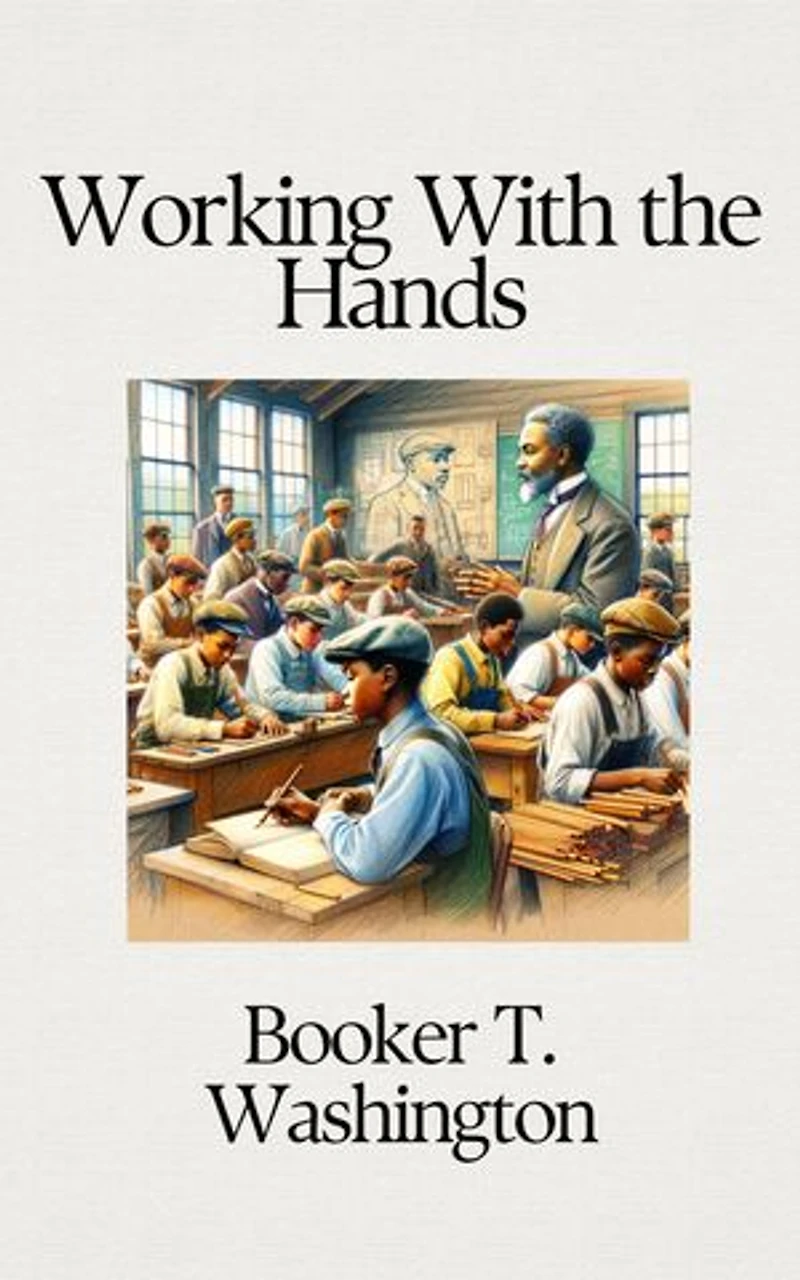
Working With the Hands
Current price: $5.99

Working With the Hands
Current price: $5.99
Loading Inventory...
Size: Kobo eBook
*Product information may vary - to confirm product availability, pricing, shipping and return information please contact Indigo
Working With the Hands is a book by Booker T. Washington, a prominent African-American educator, author, and advisor to several presidents of the United States. Published in 1904, this work reflects Washington's deep commitment to the philosophy of education and self-improvement through practical skills and labor. As the founder of the Tuskegee Institute in Alabama, Washington was a leading figure in the late 19th and early 20th centuries, advocating for the economic development and educational advancement of African-Americans in the post-Reconstruction era. In "Working With the Hands," Washington emphasizes the importance and dignity of manual labor and vocational education. He argues that industrial training, alongside intellectual and moral education, is essential for the holistic development of individuals and the progress of African-American communities. The book is an extension of Washington's broader educational philosophy, which he famously outlined in his "Atlanta Compromise" speech, advocating for a pragmatic approach to racial integration and advancement through hard work and self-reliance. The text combines Washington's educational theories with personal anecdotes and observations from his experiences at Tuskegee Institute. He details the institution's founding and growth, highlighting how vocational training in agriculture, carpentry, brickmaking, and other trades not only equipped students with valuable skills but also instilled a sense of pride and self-worth. "Working With the Hands" is a testament to Washington's belief in the power of education to uplift individuals and communities. It provides insight into his vision of societal progress through labor and the practical application of knowledge, making it a significant work in the context of American educational history and the broader narrative of African-American empowerment.
Working With the Hands is a book by Booker T. Washington, a prominent African-American educator, author, and advisor to several presidents of the United States. Published in 1904, this work reflects Washington's deep commitment to the philosophy of education and self-improvement through practical skills and labor. As the founder of the Tuskegee Institute in Alabama, Washington was a leading figure in the late 19th and early 20th centuries, advocating for the economic development and educational advancement of African-Americans in the post-Reconstruction era. In "Working With the Hands," Washington emphasizes the importance and dignity of manual labor and vocational education. He argues that industrial training, alongside intellectual and moral education, is essential for the holistic development of individuals and the progress of African-American communities. The book is an extension of Washington's broader educational philosophy, which he famously outlined in his "Atlanta Compromise" speech, advocating for a pragmatic approach to racial integration and advancement through hard work and self-reliance. The text combines Washington's educational theories with personal anecdotes and observations from his experiences at Tuskegee Institute. He details the institution's founding and growth, highlighting how vocational training in agriculture, carpentry, brickmaking, and other trades not only equipped students with valuable skills but also instilled a sense of pride and self-worth. "Working With the Hands" is a testament to Washington's belief in the power of education to uplift individuals and communities. It provides insight into his vision of societal progress through labor and the practical application of knowledge, making it a significant work in the context of American educational history and the broader narrative of African-American empowerment.
You May Also Like














More About Indigo at Erin Mills Town Centre
The largest book retailer in Canada also offers toys, music, home décor, gifts and lifestyle products. What's Inside...Books, Magazines, CD’s and DVD’s, Toys and Gifts, Home Accents, Electronics, Baby’s and Children’s Section, Bath and Body, Kitchen and Bedroom, Stationary Located outside in the exterior plaza.
5015 Glen Erin Dr, Mississauga, ON L5M 0R7, Canada
Find Indigo at Erin Mills Town Centre in Mississauga ON
Visit Indigo at Erin Mills Town Centre in Mississauga ON