

GIVE THE PERFECT GIFT
Erin Mills Town Centre Gift Cards are the perfect choice for your gift giving needs.Purchase gift cards at kiosks near the food court or centre court, at Guest Services, or click below to purchase online.PURCHASE HEREHome
World Population: Past, Present, And Future
Indigo
Loading Inventory...
World Population: Past, Present, And Future
Current price: $128.50

World Population: Past, Present, And Future
Current price: $128.50
Loading Inventory...
Size: Hardcover
*Product information may vary - to confirm product availability, pricing, shipping and return information please contact Indigo
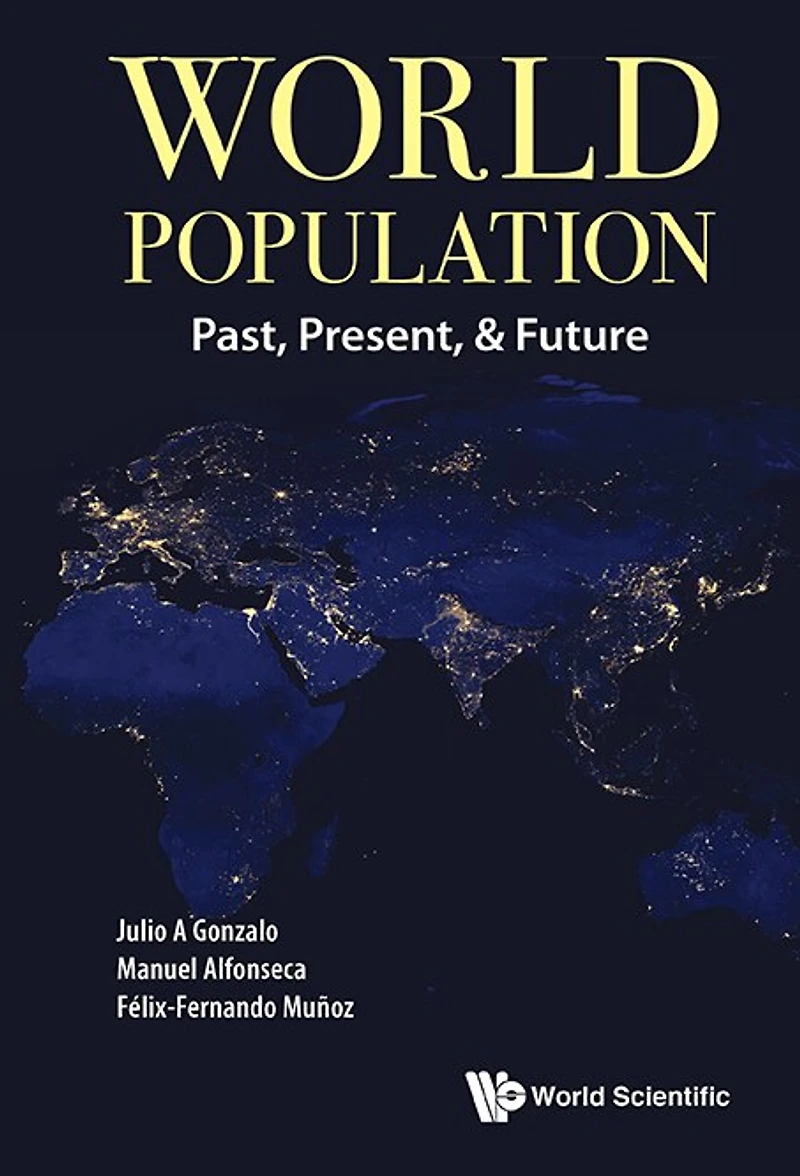
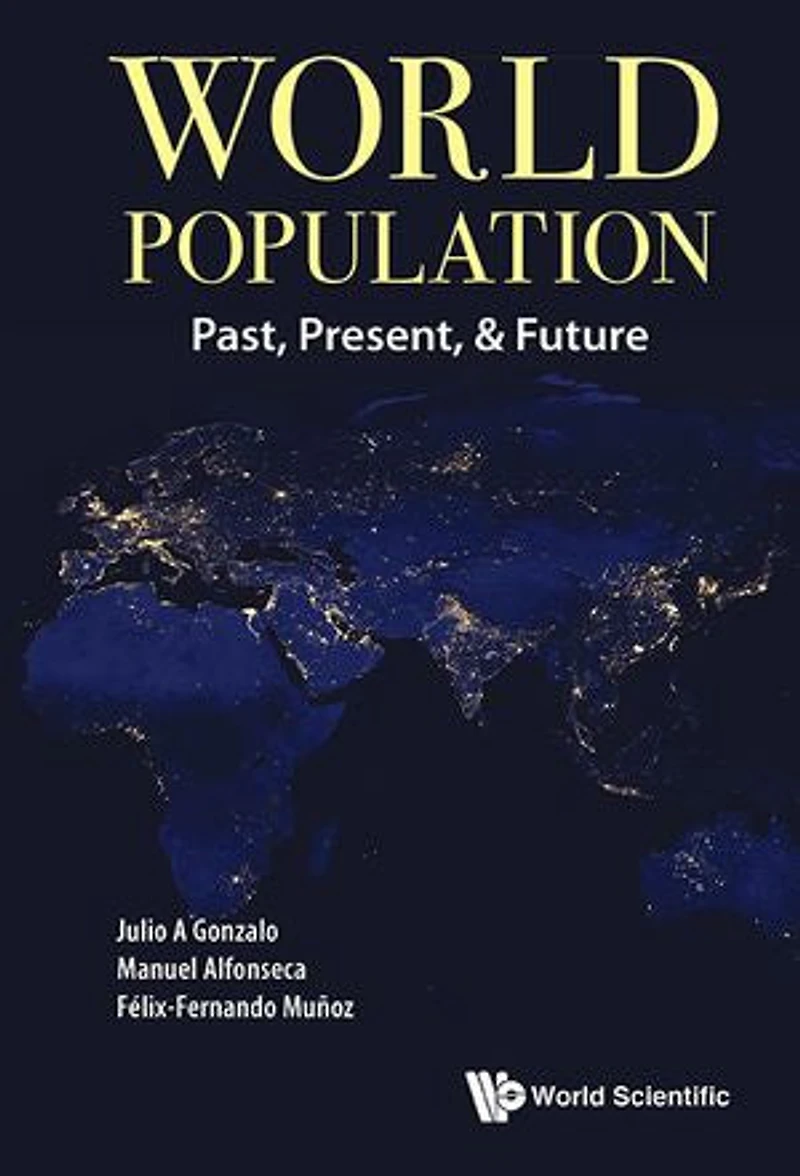
World Population: Past, Present, & Future uses a multidisciplinary approach to investigate in depth on important aspects of the evolution of world population not well addressed previously. The authors from the Universidad Autonoma, Madrid (Spain), professors Julio A Gonzalo, Manuel Alfonseca, and Félix-Fernando Muñoz, point out that the recent pronounced growth in world population (accompanied by an even more pronounced growth in agricultural production) was due mainly to the increase of life expectancy and not to the (inexistent) growth in fertility rate. Using a 'rate equations' approach for the first time, they describe population trends and forecast the possibility of steps up (or down) in population rather than the exponential growth predicted by UN demographers around 1985 and thereafter. This book provides a new perspective that our planet is not overpopulated and could, in fact, house a considerably larger population.
World Population: Past, Present, & Future uses a multidisciplinary approach to investigate in depth on important aspects of the evolution of world population not well addressed previously. The authors from the Universidad Autonoma, Madrid (Spain), professors Julio A Gonzalo, Manuel Alfonseca, and Félix-Fernando Muñoz, point out that the recent pronounced growth in world population (accompanied by an even more pronounced growth in agricultural production) was due mainly to the increase of life expectancy and not to the (inexistent) growth in fertility rate. Using a 'rate equations' approach for the first time, they describe population trends and forecast the possibility of steps up (or down) in population rather than the exponential growth predicted by UN demographers around 1985 and thereafter. This book provides a new perspective that our planet is not overpopulated and could, in fact, house a considerably larger population.
You May Also Like







More About Indigo at Erin Mills Town Centre
The largest book retailer in Canada also offers toys, music, home décor, gifts and lifestyle products. What's Inside...Books, Magazines, CD’s and DVD’s, Toys and Gifts, Home Accents, Electronics, Baby’s and Children’s Section, Bath and Body, Kitchen and Bedroom, Stationary Located outside in the exterior plaza.
5015 Glen Erin Dr, Mississauga, ON L5M 0R7, Canada
Find Indigo at Erin Mills Town Centre in Mississauga ON
Visit Indigo at Erin Mills Town Centre in Mississauga ON