

GIVE THE PERFECT GIFT
Erin Mills Town Centre Gift Cards are the perfect choice for your gift giving needs.Purchase gift cards at kiosks near the food court or centre court, at Guest Services, or click below to purchase online.PURCHASE HEREHome
Writing Architectural History: Evidence And Narrative In The Twenty-first Century
Indigo
Loading Inventory...
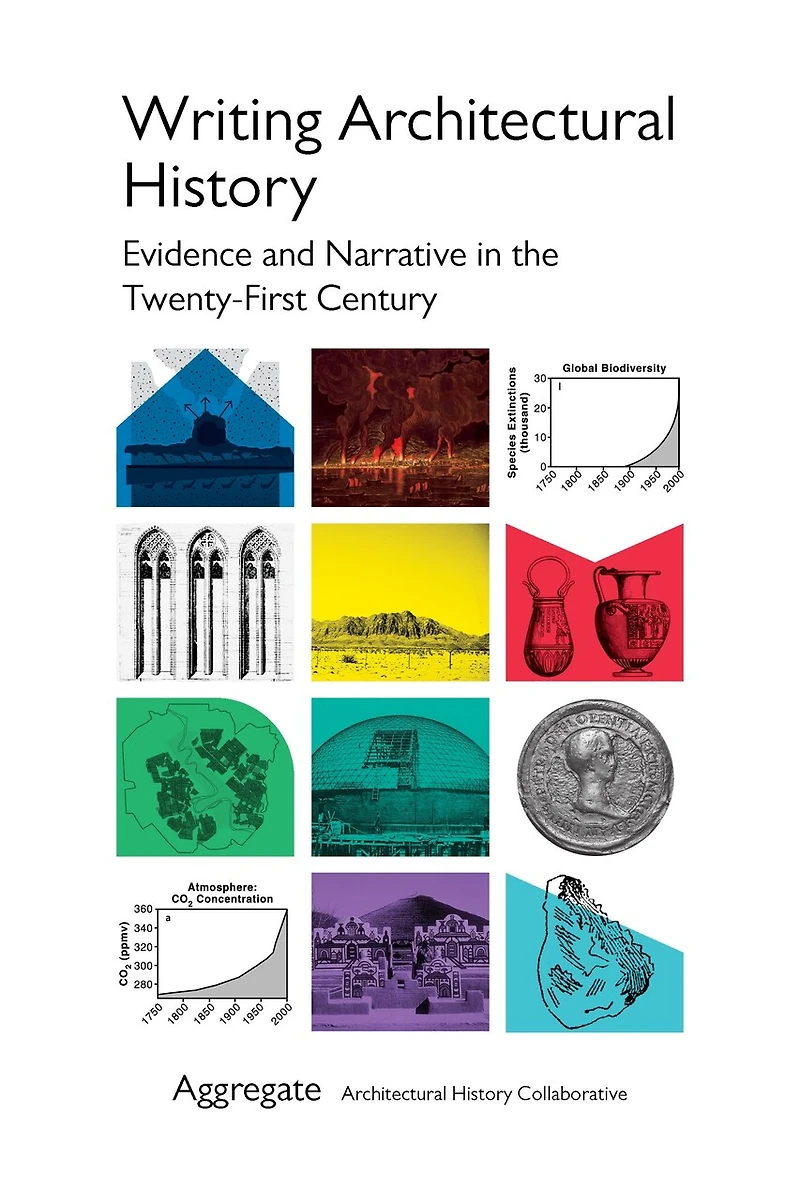
Writing Architectural History: Evidence And Narrative In The Twenty-first Century
Current price: $84.50

Writing Architectural History: Evidence And Narrative In The Twenty-first Century
Current price: $84.50
Loading Inventory...
Size: Hardcover
*Product information may vary - to confirm product availability, pricing, shipping and return information please contact Indigo
Over the past two decades, scholarship in architectural history has transformed, moving away from design studio pedagogy and postmodern historicism to draw instead from trends in critical theory focusing on gender, race, the environment, and more recently global history, connecting to revisionist trends in other fields. With examples across space and time—from medieval European coin trials and eighteenth-century Haitian revolutionary buildings to Weimar German construction firms and present-day African refugee camps— Writing Architectural History considers the impact of these shifting institutional landscapes and disciplinary positionings for architectural history. Contributors reveal how new methodological approaches have developed interdisciplinary research beyond the traditional boundaries of art history departments and architecture schools, and explore the challenges and opportunities presented by conventional and unorthodox forms of evidence and narrative, the tools used to write history.
Over the past two decades, scholarship in architectural history has transformed, moving away from design studio pedagogy and postmodern historicism to draw instead from trends in critical theory focusing on gender, race, the environment, and more recently global history, connecting to revisionist trends in other fields. With examples across space and time—from medieval European coin trials and eighteenth-century Haitian revolutionary buildings to Weimar German construction firms and present-day African refugee camps— Writing Architectural History considers the impact of these shifting institutional landscapes and disciplinary positionings for architectural history. Contributors reveal how new methodological approaches have developed interdisciplinary research beyond the traditional boundaries of art history departments and architecture schools, and explore the challenges and opportunities presented by conventional and unorthodox forms of evidence and narrative, the tools used to write history.
You May Also Like








More About Indigo at Erin Mills Town Centre
The largest book retailer in Canada also offers toys, music, home décor, gifts and lifestyle products. What's Inside...Books, Magazines, CD’s and DVD’s, Toys and Gifts, Home Accents, Electronics, Baby’s and Children’s Section, Bath and Body, Kitchen and Bedroom, Stationary Located outside in the exterior plaza.
5015 Glen Erin Dr, Mississauga, ON L5M 0R7, Canada
Find Indigo at Erin Mills Town Centre in Mississauga ON
Visit Indigo at Erin Mills Town Centre in Mississauga ON