

GIVE THE PERFECT GIFT
Erin Mills Town Centre Gift Cards are the perfect choice for your gift giving needs.Purchase gift cards at kiosks near the food court or centre court, at Guest Services, or click below to purchase online.PURCHASE HEREHome
Writing/Reading the Bible in Postcolonial Perspective
Indigo
Loading Inventory...
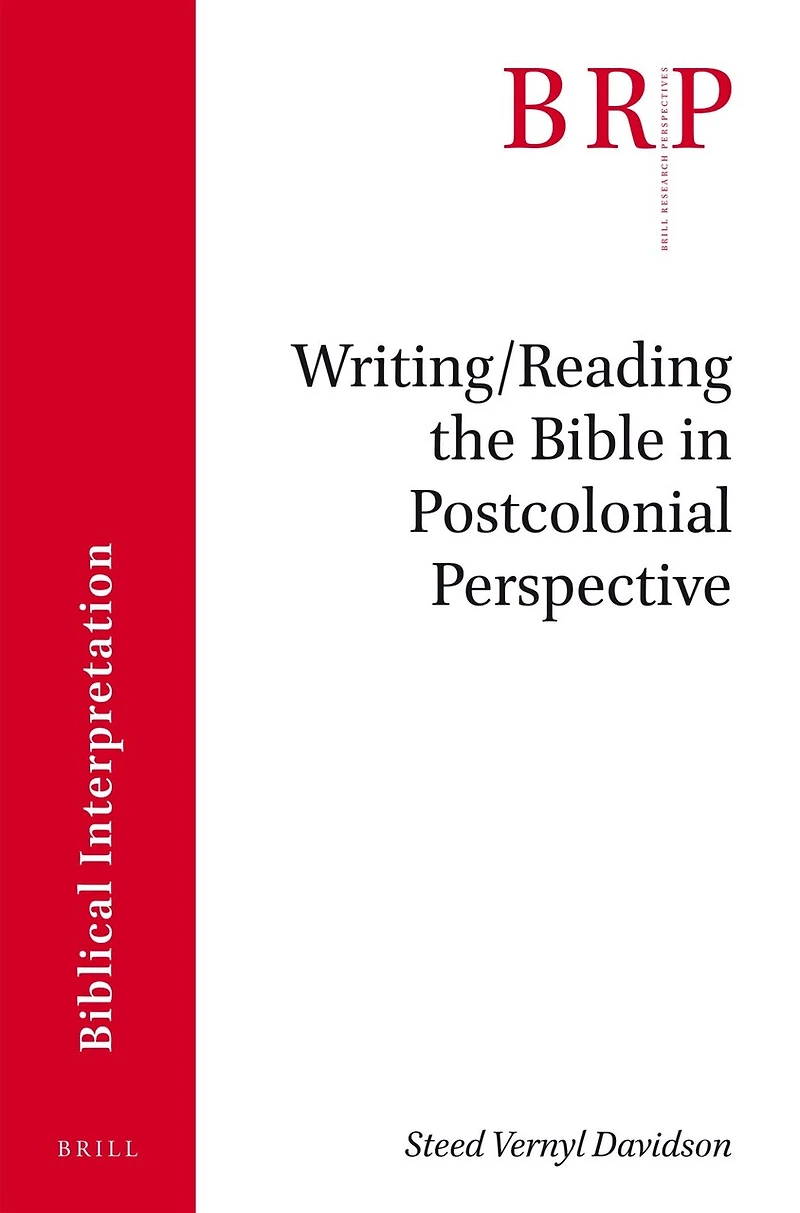
Writing/Reading the Bible in Postcolonial Perspective
Current price: $122.99

Writing/Reading the Bible in Postcolonial Perspective
Current price: $122.99
Loading Inventory...
Size: Paperback
*Product information may vary - to confirm product availability, pricing, shipping and return information please contact Indigo
Examining the legacies of European imperialism, Steed Vernyl Davidson traces how the Bible reflects strong affinities with empire and provides on-going justifications for empire and concentrations of power. Writing/Reading the Bible in Postcolonial Perspective traces the evolution of the Bible from its production in empires of antiquity to its supportive role in the development of modern imperialism. The work also engages the ambiguities of the Bible as anti-imperial tool. Set within an examination of postcolonial studies as a revolutionary and revisionary discourse, this work presses for a more vigorous postcolonializing of the Bible in Biblical Studies. A description of the contemporary features and manifestation of empire forms the context within which further exploration of postcolonial biblical critical work can take place. Following an assessment of previous work in the field, the challenges of intersectional work with queer studies, terrorism studies, technology, and ecological studies are laid out as future tasks
Examining the legacies of European imperialism, Steed Vernyl Davidson traces how the Bible reflects strong affinities with empire and provides on-going justifications for empire and concentrations of power. Writing/Reading the Bible in Postcolonial Perspective traces the evolution of the Bible from its production in empires of antiquity to its supportive role in the development of modern imperialism. The work also engages the ambiguities of the Bible as anti-imperial tool. Set within an examination of postcolonial studies as a revolutionary and revisionary discourse, this work presses for a more vigorous postcolonializing of the Bible in Biblical Studies. A description of the contemporary features and manifestation of empire forms the context within which further exploration of postcolonial biblical critical work can take place. Following an assessment of previous work in the field, the challenges of intersectional work with queer studies, terrorism studies, technology, and ecological studies are laid out as future tasks
You May Also Like







More About Indigo at Erin Mills Town Centre
The largest book retailer in Canada also offers toys, music, home décor, gifts and lifestyle products. What's Inside...Books, Magazines, CD’s and DVD’s, Toys and Gifts, Home Accents, Electronics, Baby’s and Children’s Section, Bath and Body, Kitchen and Bedroom, Stationary Located outside in the exterior plaza.
5015 Glen Erin Dr, Mississauga, ON L5M 0R7, Canada
Find Indigo at Erin Mills Town Centre in Mississauga ON
Visit Indigo at Erin Mills Town Centre in Mississauga ON