

GIVE THE PERFECT GIFT
Erin Mills Town Centre Gift Cards are the perfect choice for your gift giving needs.Purchase gift cards at kiosks near the food court or centre court, at Guest Services, or click below to purchase online.PURCHASE HEREHome
Written Corrective Feedback: The Role Of Learner Engagement: A Practical Approach
Indigo
Loading Inventory...
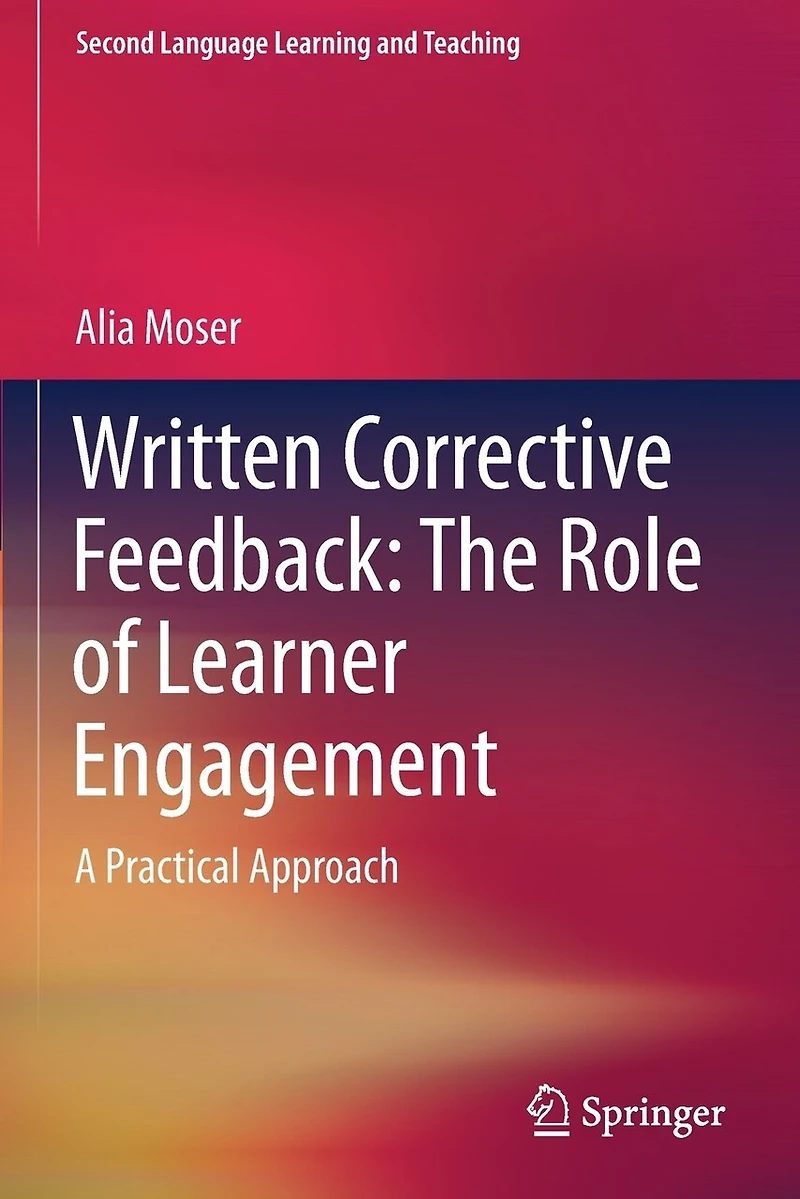
Written Corrective Feedback: The Role Of Learner Engagement: A Practical Approach
Current price: $175.50

Written Corrective Feedback: The Role Of Learner Engagement: A Practical Approach
Current price: $175.50
Loading Inventory...
Size: Paperback
*Product information may vary - to confirm product availability, pricing, shipping and return information please contact Indigo
The book provides new insights into written corrective feedback by describing students' expectations as well as mediating factors that influence their engagement with it. The book draws on an extensive dataset to illustrate secondary school students' behavioural, cognitive and emotional engagement with written corrective feedback and the extent to which mediating factors, such as teachers, peers, feedback options, attitudes and emotions, foster or hinder it. It shows why teachers need to provide students with the purpose of the corrective feedback they provide, explain how such feedback works and introduce strategies that can be employed to engage with it. Based on the finding that a combination of several feedback types is essential to ensure learner engagement, the book also provides an extensive description and multiple authentic examples of the Engagement-Feedback-Mediator Model that was developed in the context of this study.
The book provides new insights into written corrective feedback by describing students' expectations as well as mediating factors that influence their engagement with it. The book draws on an extensive dataset to illustrate secondary school students' behavioural, cognitive and emotional engagement with written corrective feedback and the extent to which mediating factors, such as teachers, peers, feedback options, attitudes and emotions, foster or hinder it. It shows why teachers need to provide students with the purpose of the corrective feedback they provide, explain how such feedback works and introduce strategies that can be employed to engage with it. Based on the finding that a combination of several feedback types is essential to ensure learner engagement, the book also provides an extensive description and multiple authentic examples of the Engagement-Feedback-Mediator Model that was developed in the context of this study.
You May Also Like
















More About Indigo at Erin Mills Town Centre
The largest book retailer in Canada also offers toys, music, home décor, gifts and lifestyle products. What's Inside...Books, Magazines, CD’s and DVD’s, Toys and Gifts, Home Accents, Electronics, Baby’s and Children’s Section, Bath and Body, Kitchen and Bedroom, Stationary Located outside in the exterior plaza.
5015 Glen Erin Dr, Mississauga, ON L5M 0R7, Canada
Find Indigo at Erin Mills Town Centre in Mississauga ON
Visit Indigo at Erin Mills Town Centre in Mississauga ON