

GIVE THE PERFECT GIFT
Erin Mills Town Centre Gift Cards are the perfect choice for your gift giving needs.Purchase gift cards at kiosks near the food court or centre court, at Guest Services, or click below to purchase online.PURCHASE HEREHome
Written for the Drawer: Leonid Tsypkin, Uncensored Literature, and Soviet Jewishness
Indigo
Loading Inventory...
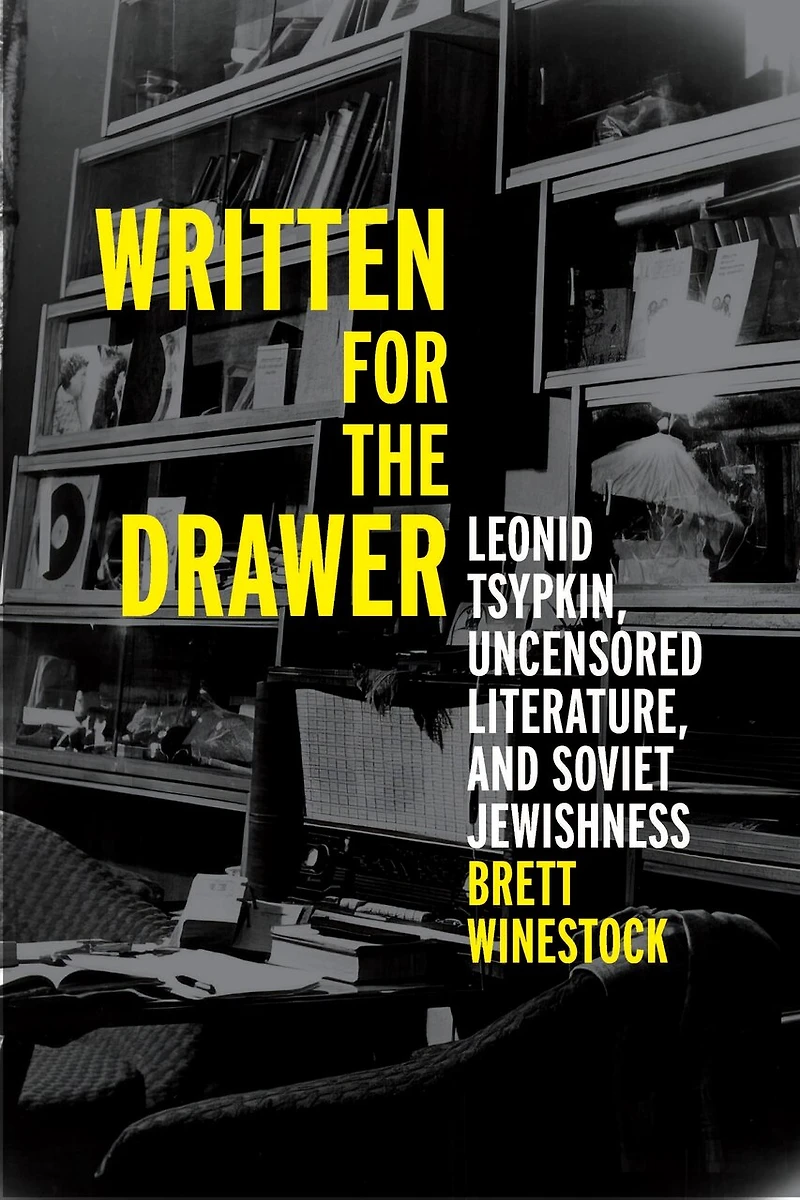
Written for the Drawer: Leonid Tsypkin, Uncensored Literature, and Soviet Jewishness
Current price: $129.95

Written for the Drawer: Leonid Tsypkin, Uncensored Literature, and Soviet Jewishness
Current price: $129.95
Loading Inventory...
Size: Hardcover
*Product information may vary - to confirm product availability, pricing, shipping and return information please contact Indigo
Russian-Jewish writer Leonid Tsypkin (1926–82), a doctor by trade, wrote primarily “for the drawer,” fearing professional consequences if he were to publish his fiction. Despite Tsypkin’s almost complete lack of readership during his lifetime, his work has received international posthumous recognition, with Susan Sontag calling his work “among the most beautiful, exalting, and original achievements of a century’s worth of fiction.”
Tsypkin’s autobiographical writing explored the impossibility of being both a Russian writer and a Soviet Jew, employing indirection and referentiality. In the first book-length appraisal of Tsypkin and his work, Brett Winestock considers Tsypkin’s fiction as part of a transnational literary response to the horrors of the twentieth century, a reception that helps explain his much-belated international readership. Through close readings of Tsypkin’s work in the context of late-Soviet cultural worlds, Winestock makes an important contribution to studies of Jewish Soviet writing and identity.
Russian-Jewish writer Leonid Tsypkin (1926–82), a doctor by trade, wrote primarily “for the drawer,” fearing professional consequences if he were to publish his fiction. Despite Tsypkin’s almost complete lack of readership during his lifetime, his work has received international posthumous recognition, with Susan Sontag calling his work “among the most beautiful, exalting, and original achievements of a century’s worth of fiction.”
Tsypkin’s autobiographical writing explored the impossibility of being both a Russian writer and a Soviet Jew, employing indirection and referentiality. In the first book-length appraisal of Tsypkin and his work, Brett Winestock considers Tsypkin’s fiction as part of a transnational literary response to the horrors of the twentieth century, a reception that helps explain his much-belated international readership. Through close readings of Tsypkin’s work in the context of late-Soviet cultural worlds, Winestock makes an important contribution to studies of Jewish Soviet writing and identity.
You May Also Like







More About Indigo at Erin Mills Town Centre
The largest book retailer in Canada also offers toys, music, home décor, gifts and lifestyle products. What's Inside...Books, Magazines, CD’s and DVD’s, Toys and Gifts, Home Accents, Electronics, Baby’s and Children’s Section, Bath and Body, Kitchen and Bedroom, Stationary Located outside in the exterior plaza.
5015 Glen Erin Dr, Mississauga, ON L5M 0R7, Canada
Find Indigo at Erin Mills Town Centre in Mississauga ON
Visit Indigo at Erin Mills Town Centre in Mississauga ON