

GIVE THE PERFECT GIFT
Erin Mills Town Centre Gift Cards are the perfect choice for your gift giving needs.Purchase gift cards at kiosks near the food court or centre court, at Guest Services, or click below to purchase online.PURCHASE HEREHome
Yip Harburg: Legendary Lyricist and Human Rights Activist
Indigo
Loading Inventory...
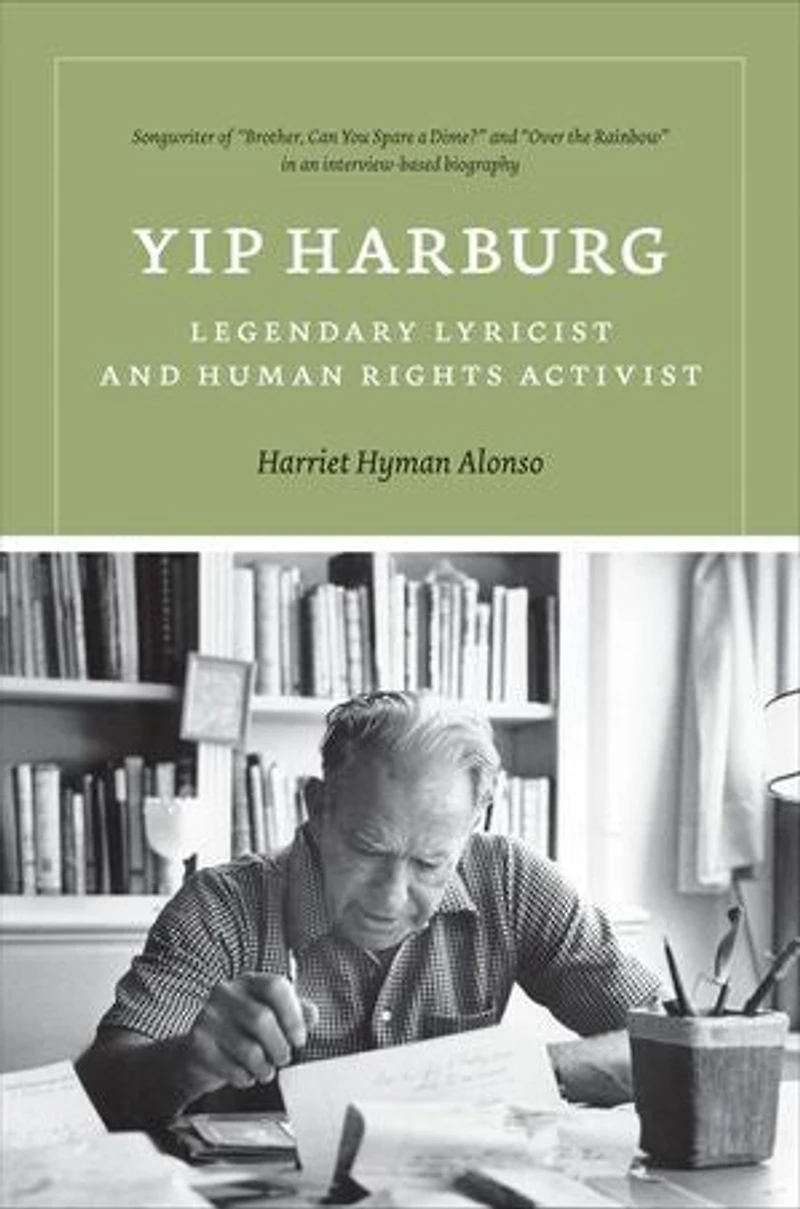
Yip Harburg: Legendary Lyricist and Human Rights Activist
Current price: $17.59
Original price: $21.99

Yip Harburg: Legendary Lyricist and Human Rights Activist
Current price: $17.59
Original price: $21.99
Loading Inventory...
Size: Kobo eBook
*Product information may vary - to confirm product availability, pricing, shipping and return information please contact Indigo
Known as "Broadway's social conscience," E. Y. Harburg (1896–1981) wrote the lyrics to the standards, "Brother, Can You Spare a Dime?," "April in Paris," and "It's Only a Paper Moon," as well as all of the songs in The Wizard of Oz, including "Over the Rainbow." Harburg always included a strong social and political component to his work, fighting racism, poverty, and war. Interweaving close to fifty interviews (most of them previously unpublished), over forty lyrics, and a number of Harburg's poems, Harriet Hyman Alonso enables Harburg to talk about his life and work. He tells of his early childhood on the Lower East Side of Manhattan, his public school education, how the Great Depression opened the way to writing lyrics, and his work on Broadway and Hollywood, including his blacklisting during the McCarthy era. Finally, but most importantly, Harburg shares his commitment to human rights and the ways it affected his writing and his career path. Includes an appendix with Harburg's key musicals, songs, and films.
Known as "Broadway's social conscience," E. Y. Harburg (1896–1981) wrote the lyrics to the standards, "Brother, Can You Spare a Dime?," "April in Paris," and "It's Only a Paper Moon," as well as all of the songs in The Wizard of Oz, including "Over the Rainbow." Harburg always included a strong social and political component to his work, fighting racism, poverty, and war. Interweaving close to fifty interviews (most of them previously unpublished), over forty lyrics, and a number of Harburg's poems, Harriet Hyman Alonso enables Harburg to talk about his life and work. He tells of his early childhood on the Lower East Side of Manhattan, his public school education, how the Great Depression opened the way to writing lyrics, and his work on Broadway and Hollywood, including his blacklisting during the McCarthy era. Finally, but most importantly, Harburg shares his commitment to human rights and the ways it affected his writing and his career path. Includes an appendix with Harburg's key musicals, songs, and films.
You May Also Like









More About Indigo at Erin Mills Town Centre
The largest book retailer in Canada also offers toys, music, home décor, gifts and lifestyle products. What's Inside...Books, Magazines, CD’s and DVD’s, Toys and Gifts, Home Accents, Electronics, Baby’s and Children’s Section, Bath and Body, Kitchen and Bedroom, Stationary Located outside in the exterior plaza.
5015 Glen Erin Dr, Mississauga, ON L5M 0R7, Canada
Find Indigo at Erin Mills Town Centre in Mississauga ON
Visit Indigo at Erin Mills Town Centre in Mississauga ON