

GIVE THE PERFECT GIFT
Erin Mills Town Centre Gift Cards are the perfect choice for your gift giving needs.Purchase gift cards at kiosks near the food court or centre court, at Guest Services, or click below to purchase online.PURCHASE HEREHome
Young China: National Rejuvenation and the Bildungsroman, 1900-1959
Indigo
Loading Inventory...
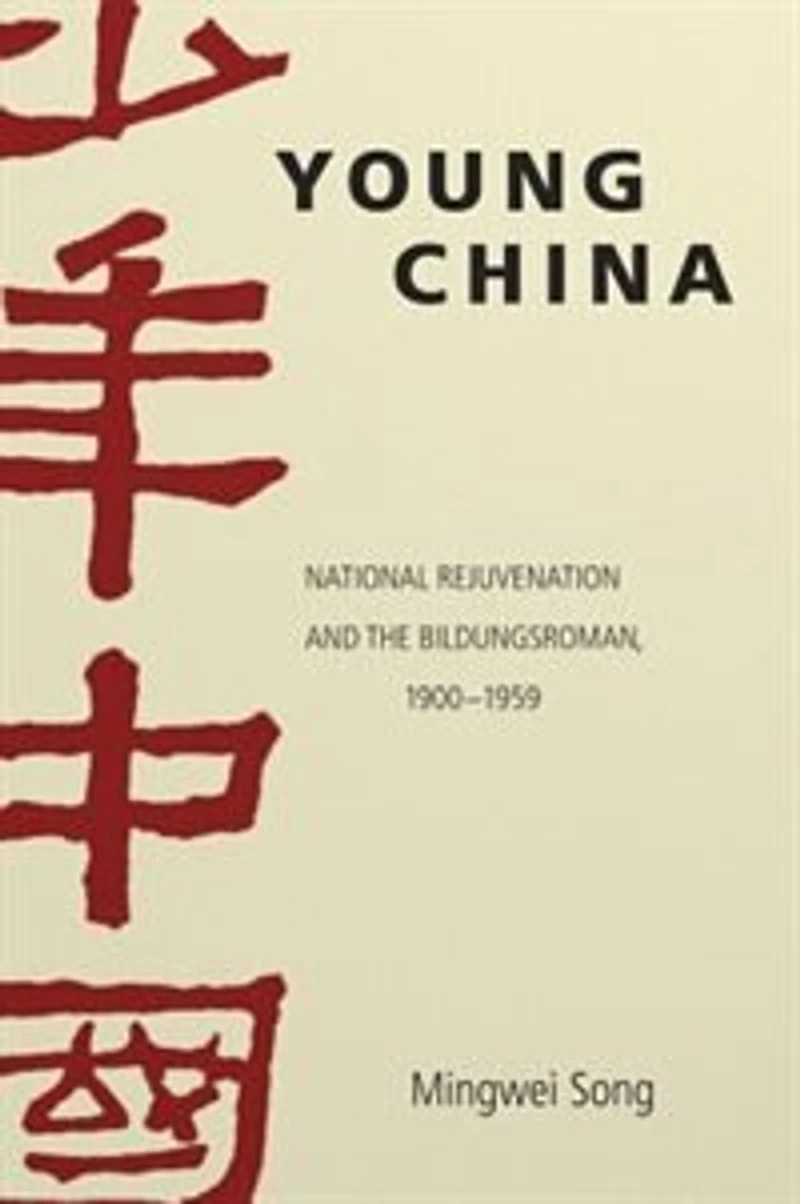
Young China: National Rejuvenation and the Bildungsroman, 1900-1959
Current price: $65.95

Young China: National Rejuvenation and the Bildungsroman, 1900-1959
Current price: $65.95
Loading Inventory...
Size: Hardcover
*Product information may vary - to confirm product availability, pricing, shipping and return information please contact Indigo
The rise of youth is among the most dramatic stories of modern China. Since the last years of the Qing dynasty, youth has been made a new agent of history in Chinese intellectuals’ visions of national rejuvenation through such tremendously popular notions as “young China” and “new youth.” The characterization of a young protagonist with a developmental story has also shaped the modern Chinese novel. Young China takes youth as a central literary motif that was profoundly related to the ideas of nationhood and modernity in twentieth-century China. A synthesis of narrative theory and cultural history, it combines historical investigations of the origin and development of the modern Chinese youth discourse with close analyses of the novelistic construction of the Chinese Bildungsroman , which depicts the psychological growth of youth with a symbolic allusion to national rejuvenation. Negotiating between self and society, ideal and action, and form and reality, such a narrative manifests as well as complicates the various political and cultural symbolisms invested in youth through different periods of modern Chinese history. In this story of young China, the restless, elusive, and protean image of youth both perpetuates and problematizes the ideals of national rejuvenation.
The rise of youth is among the most dramatic stories of modern China. Since the last years of the Qing dynasty, youth has been made a new agent of history in Chinese intellectuals’ visions of national rejuvenation through such tremendously popular notions as “young China” and “new youth.” The characterization of a young protagonist with a developmental story has also shaped the modern Chinese novel. Young China takes youth as a central literary motif that was profoundly related to the ideas of nationhood and modernity in twentieth-century China. A synthesis of narrative theory and cultural history, it combines historical investigations of the origin and development of the modern Chinese youth discourse with close analyses of the novelistic construction of the Chinese Bildungsroman , which depicts the psychological growth of youth with a symbolic allusion to national rejuvenation. Negotiating between self and society, ideal and action, and form and reality, such a narrative manifests as well as complicates the various political and cultural symbolisms invested in youth through different periods of modern Chinese history. In this story of young China, the restless, elusive, and protean image of youth both perpetuates and problematizes the ideals of national rejuvenation.
You May Also Like







More About Indigo at Erin Mills Town Centre
The largest book retailer in Canada also offers toys, music, home décor, gifts and lifestyle products. What's Inside...Books, Magazines, CD’s and DVD’s, Toys and Gifts, Home Accents, Electronics, Baby’s and Children’s Section, Bath and Body, Kitchen and Bedroom, Stationary Located outside in the exterior plaza.
5015 Glen Erin Dr, Mississauga, ON L5M 0R7, Canada
Find Indigo at Erin Mills Town Centre in Mississauga ON
Visit Indigo at Erin Mills Town Centre in Mississauga ON