

GIVE THE PERFECT GIFT
Erin Mills Town Centre Gift Cards are the perfect choice for your gift giving needs.Purchase gift cards at kiosks near the food court or centre court, at Guest Services, or click below to purchase online.PURCHASE HEREHome
Youth and Conflict Israel-Palestine: Storytelling, Contested Space the Politics of Memory
Indigo
Loading Inventory...
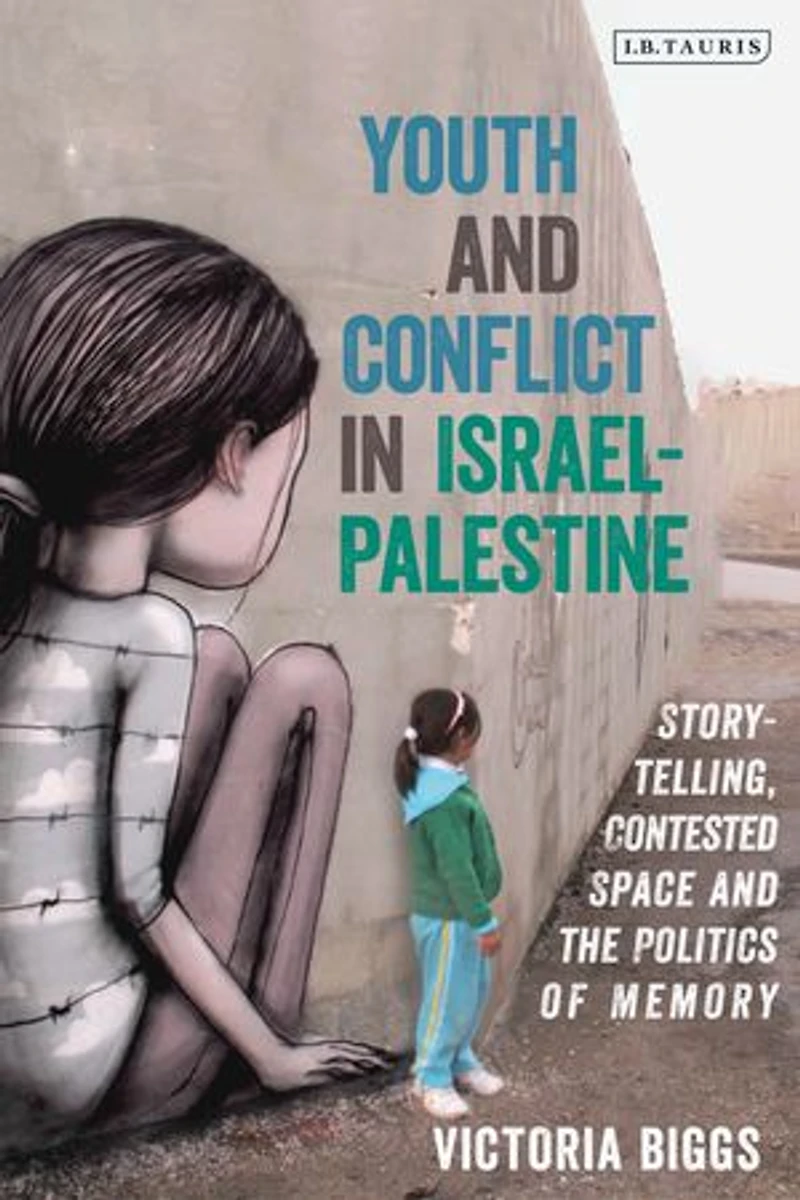
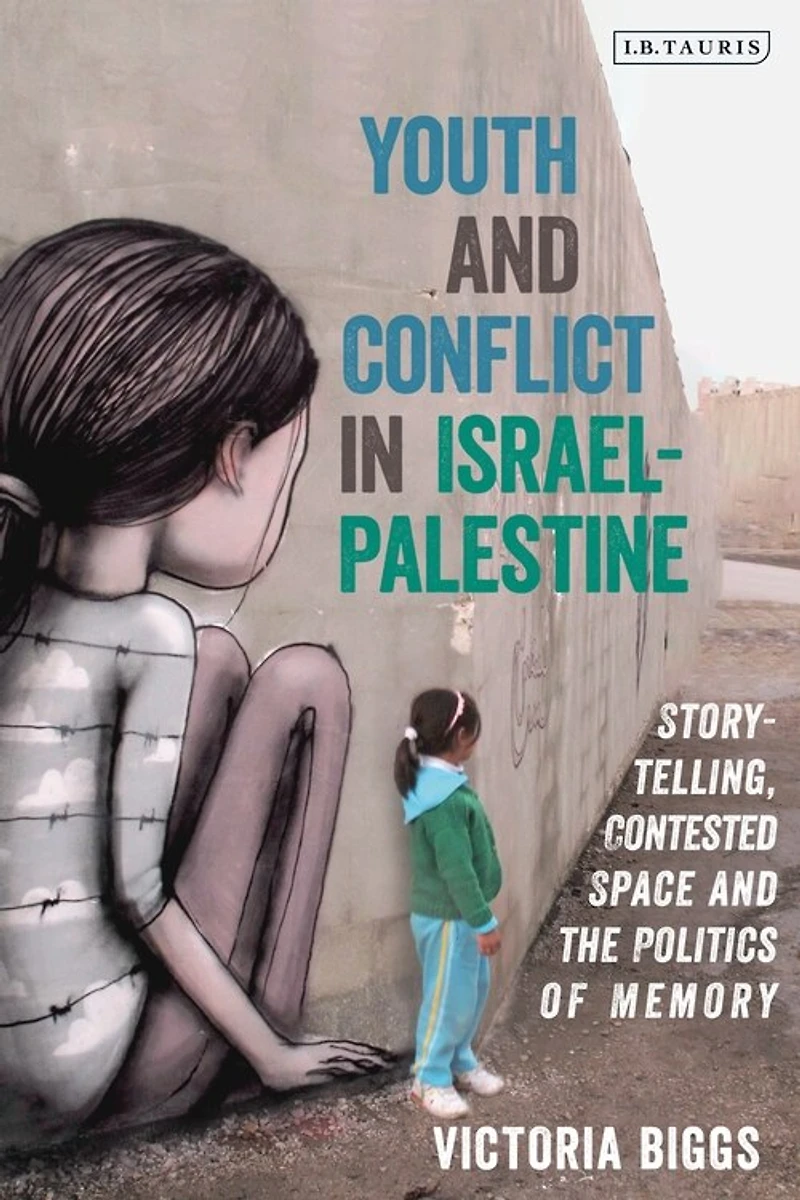
Youth and Conflict Israel-Palestine: Storytelling, Contested Space the Politics of Memory
Current price: $43.19
Original price: $53.95

Youth and Conflict Israel-Palestine: Storytelling, Contested Space the Politics of Memory
Current price: $43.19
Original price: $53.95
Loading Inventory...
Size: Kobo eBook
*Product information may vary - to confirm product availability, pricing, shipping and return information please contact Indigo
How are forbidden histories told and transmitted among young people in Israel/Palestine? What can their stories teach us about their everyday experiences of segregation and political violence? This book investigates how young people use storytelling to navigate borders, memory, and unseen spaces, and to confront questions of belonging and those they see as the 'other'. The study is unique in its inclusion of children from a broad spectrum of communities, including Palestinian refugee camps and right-wing Israeli settlement homes. The book shows that boundary spaces are fertile ground for the transmission of forbidden stories and memories. Young people are at the centre of the research and Victoria Biggs argues that storytelling reveals much more about their experiences and perceptions than either quantitative data or qualitative interviews. Through analysis of the language, metaphor, violence, and endings employed in the stories, storytelling is shown to be a political act that plays a vital role in shaping conflict-affected young people's concepts of community, exclusion, and belonging.
How are forbidden histories told and transmitted among young people in Israel/Palestine? What can their stories teach us about their everyday experiences of segregation and political violence? This book investigates how young people use storytelling to navigate borders, memory, and unseen spaces, and to confront questions of belonging and those they see as the 'other'. The study is unique in its inclusion of children from a broad spectrum of communities, including Palestinian refugee camps and right-wing Israeli settlement homes. The book shows that boundary spaces are fertile ground for the transmission of forbidden stories and memories. Young people are at the centre of the research and Victoria Biggs argues that storytelling reveals much more about their experiences and perceptions than either quantitative data or qualitative interviews. Through analysis of the language, metaphor, violence, and endings employed in the stories, storytelling is shown to be a political act that plays a vital role in shaping conflict-affected young people's concepts of community, exclusion, and belonging.
You May Also Like







More About Indigo at Erin Mills Town Centre
The largest book retailer in Canada also offers toys, music, home décor, gifts and lifestyle products. What's Inside...Books, Magazines, CD’s and DVD’s, Toys and Gifts, Home Accents, Electronics, Baby’s and Children’s Section, Bath and Body, Kitchen and Bedroom, Stationary Located outside in the exterior plaza.
5015 Glen Erin Dr, Mississauga, ON L5M 0R7, Canada
Find Indigo at Erin Mills Town Centre in Mississauga ON
Visit Indigo at Erin Mills Town Centre in Mississauga ON