

GIVE THE PERFECT GIFT
Erin Mills Town Centre Gift Cards are the perfect choice for your gift giving needs.Purchase gift cards at kiosks near the food court or centre court, at Guest Services, or click below to purchase online.PURCHASE HEREHome
Zhipan’s Account of the History of Buddhism in China: Volume 3: Fozu tongji, juan 43-48: The Song Dynasty
Indigo
Loading Inventory...
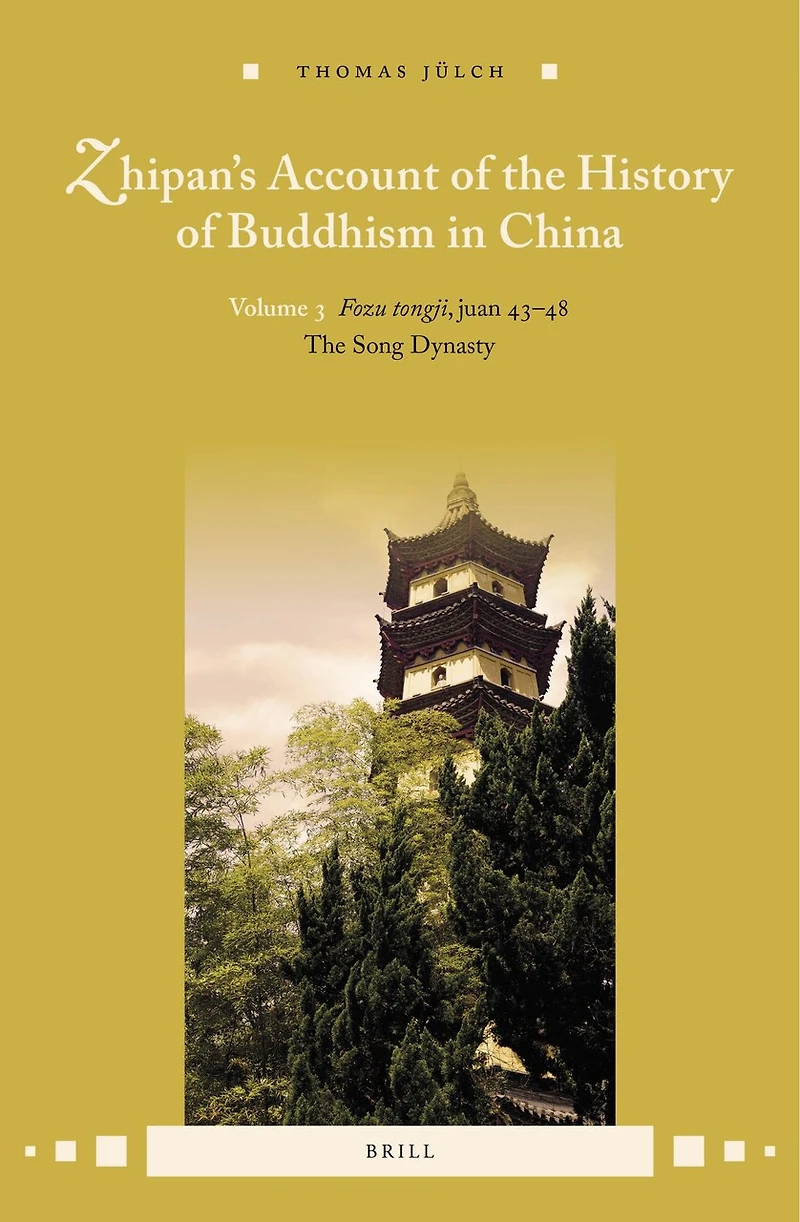
Zhipan’s Account of the History of Buddhism in China: Volume 3: Fozu tongji, juan 43-48: The Song Dynasty
Current price: $181.99

Zhipan’s Account of the History of Buddhism in China: Volume 3: Fozu tongji, juan 43-48: The Song Dynasty
Current price: $181.99
Loading Inventory...
Size: Hardcover
*Product information may vary - to confirm product availability, pricing, shipping and return information please contact Indigo
The Fozu tongji by Zhipan (ca. 1220–1275) is a key text of Chinese Buddhist historiography. The core of the work is formed by the “Fayun tongsai zhi,” an annalistic history of Buddhism in China, which extends through Fozu tongji , juan 34–48.
Thomas Jülch now presents a translation of the “Fayun tongsai zhi” in three volumes. This third volume covers the annalistic display concerning the Song dynasty.
Offering elaborate annotations, Jülch succeeds in clarifying the backgrounds to the historiographic contents, which Zhipan presents in highly essentialized style. Regarding the historical matters addressed in the material translated for the present volume, the Fozu tongji is often the earliest source. In several cases, inaccuracies in Zhipan’s account can however still be discerned, and Jülch succeeds in employing other sources to reveal and correct those errors.
The Fozu tongji by Zhipan (ca. 1220–1275) is a key text of Chinese Buddhist historiography. The core of the work is formed by the “Fayun tongsai zhi,” an annalistic history of Buddhism in China, which extends through Fozu tongji , juan 34–48.
Thomas Jülch now presents a translation of the “Fayun tongsai zhi” in three volumes. This third volume covers the annalistic display concerning the Song dynasty.
Offering elaborate annotations, Jülch succeeds in clarifying the backgrounds to the historiographic contents, which Zhipan presents in highly essentialized style. Regarding the historical matters addressed in the material translated for the present volume, the Fozu tongji is often the earliest source. In several cases, inaccuracies in Zhipan’s account can however still be discerned, and Jülch succeeds in employing other sources to reveal and correct those errors.
You May Also Like















More About Indigo at Erin Mills Town Centre
The largest book retailer in Canada also offers toys, music, home décor, gifts and lifestyle products. What's Inside...Books, Magazines, CD’s and DVD’s, Toys and Gifts, Home Accents, Electronics, Baby’s and Children’s Section, Bath and Body, Kitchen and Bedroom, Stationary Located outside in the exterior plaza.
5015 Glen Erin Dr, Mississauga, ON L5M 0R7, Canada
Find Indigo at Erin Mills Town Centre in Mississauga ON
Visit Indigo at Erin Mills Town Centre in Mississauga ON