

GIVE THE PERFECT GIFT
Erin Mills Town Centre Gift Cards are the perfect choice for your gift giving needs.Purchase gift cards at kiosks near the food court or centre court, at Guest Services, or click below to purchase online.PURCHASE HEREHome
Zimbabwe's Fast Track Land Reform
Indigo
Loading Inventory...

Zimbabwe's Fast Track Land Reform
Current price: $55.50

Zimbabwe's Fast Track Land Reform
Current price: $55.50
Loading Inventory...
Size: Paperback
*Product information may vary - to confirm product availability, pricing, shipping and return information please contact Indigo
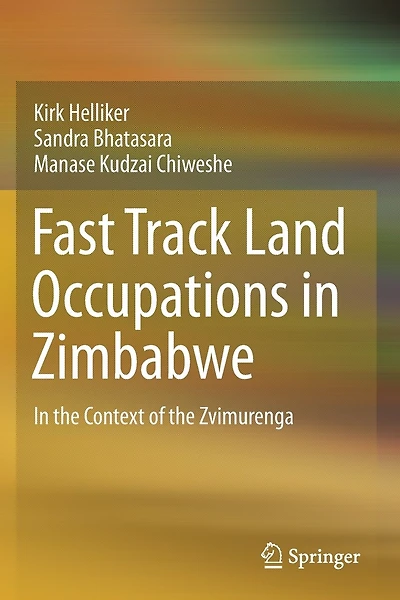
The Fast Track Land Reform Programme in Zimbabwe has emerged as a highly contested reform process both nationally and internationally. The image of it has all too often been that of the widespread displacement and subsequent replacement of various people, agricultural-related production systems, facets and processes. The reality, however, is altogether more complex. Providing new and much-needed empirical research, this in-depth book examines how processes such as land acquisition, allocation, transitional production outcomes, social life, gender and tenure, have influenced and been influenced by the forces driving the programme. It also explores the ways in which the land reform programme has created a new agrarian structure based on small- to medium-scale farmers. In attempting to resolve the problematic issues the reforms have raised, the author argues that it is this new agrarian formation which provides the greatest scope for improving Zimbabwe's agriculture and development. Based on a broader geographical scope than any previous study carried out on the subject, this is a landmark work on a subject of considerable controversy.
The Fast Track Land Reform Programme in Zimbabwe has emerged as a highly contested reform process both nationally and internationally. The image of it has all too often been that of the widespread displacement and subsequent replacement of various people, agricultural-related production systems, facets and processes. The reality, however, is altogether more complex. Providing new and much-needed empirical research, this in-depth book examines how processes such as land acquisition, allocation, transitional production outcomes, social life, gender and tenure, have influenced and been influenced by the forces driving the programme. It also explores the ways in which the land reform programme has created a new agrarian structure based on small- to medium-scale farmers. In attempting to resolve the problematic issues the reforms have raised, the author argues that it is this new agrarian formation which provides the greatest scope for improving Zimbabwe's agriculture and development. Based on a broader geographical scope than any previous study carried out on the subject, this is a landmark work on a subject of considerable controversy.
You May Also Like













More About Indigo at Erin Mills Town Centre
The largest book retailer in Canada also offers toys, music, home décor, gifts and lifestyle products. What's Inside...Books, Magazines, CD’s and DVD’s, Toys and Gifts, Home Accents, Electronics, Baby’s and Children’s Section, Bath and Body, Kitchen and Bedroom, Stationary Located outside in the exterior plaza.
5015 Glen Erin Dr, Mississauga, ON L5M 0R7, Canada
Find Indigo at Erin Mills Town Centre in Mississauga ON
Visit Indigo at Erin Mills Town Centre in Mississauga ON