

GIVE THE PERFECT GIFT
Erin Mills Town Centre Gift Cards are the perfect choice for your gift giving needs.Purchase gift cards at kiosks near the food court or centre court, at Guest Services, or click below to purchase online.PURCHASE HEREHome
Zuni, Hopi, Copan: Early Anthropology at Harvard, 1890-1893
Indigo
Loading Inventory...
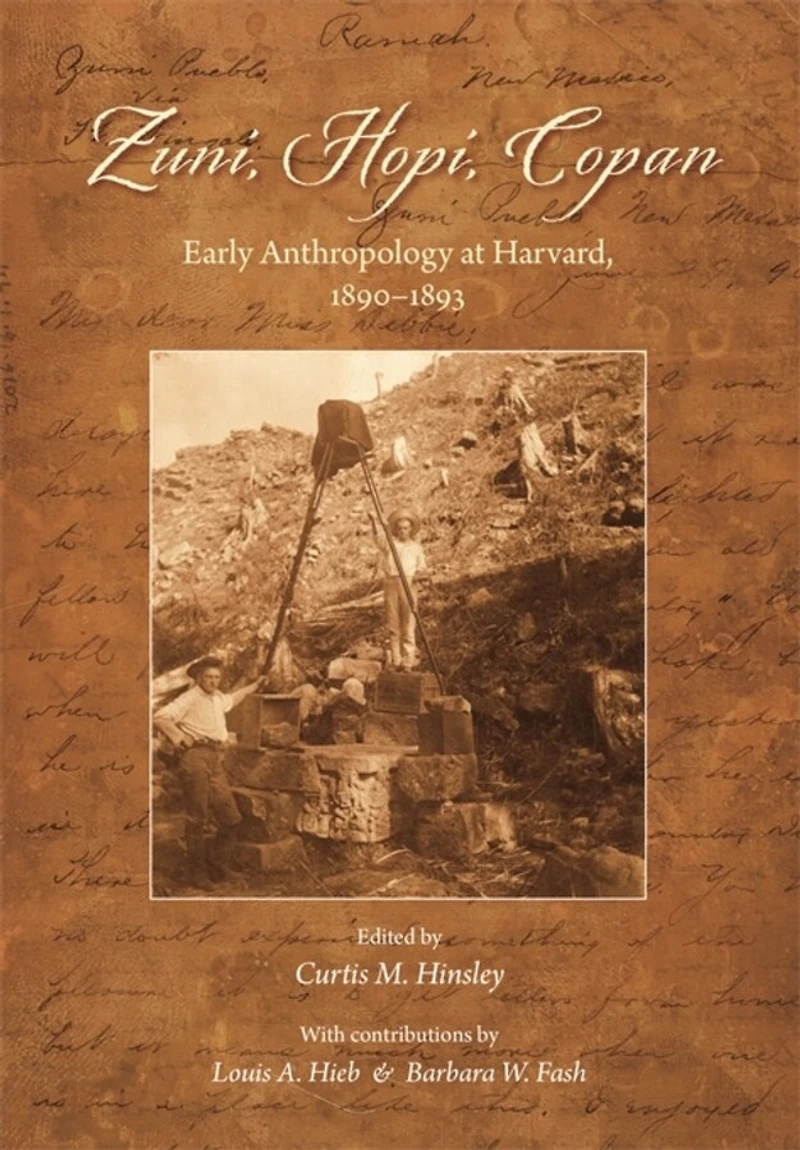
Zuni, Hopi, Copan: Early Anthropology at Harvard, 1890-1893
Current price: $86.00

Zuni, Hopi, Copan: Early Anthropology at Harvard, 1890-1893
Current price: $86.00
Loading Inventory...
Size: Hardcover
*Product information may vary - to confirm product availability, pricing, shipping and return information please contact Indigo
Zuni, Hopi, Copan: Early Anthropology at Harvard, 1890–1893 publishes one hundred letters from John Gundy Owens to Deborah Harker Stratton, currently held in the Peabody Museum of Archaeology and Ethnology at Harvard University. Owens was one of the first graduate students in anthropology at Harvard; his poignant letters to “Miss Debbie” trace a budding relationship of affection in late Victorian America and offer vivid, highly entertaining accounts of his fieldwork at Zuni pueblo in New Mexico, Hopi mesa villages in Arizona, and the Maya site of Copan in Honduras. Tragically, Owens died at age twenty-seven in Copan; Stratton never married and kept the letters until her own death, nearly fifty years later. Introductory essays by Curtis M. Hinsley, Louis A. Hieb, and Barbara W. Fash contextualize the annotated letters and shed new light on early anthropological training in the United States.
Zuni, Hopi, Copan: Early Anthropology at Harvard, 1890–1893 publishes one hundred letters from John Gundy Owens to Deborah Harker Stratton, currently held in the Peabody Museum of Archaeology and Ethnology at Harvard University. Owens was one of the first graduate students in anthropology at Harvard; his poignant letters to “Miss Debbie” trace a budding relationship of affection in late Victorian America and offer vivid, highly entertaining accounts of his fieldwork at Zuni pueblo in New Mexico, Hopi mesa villages in Arizona, and the Maya site of Copan in Honduras. Tragically, Owens died at age twenty-seven in Copan; Stratton never married and kept the letters until her own death, nearly fifty years later. Introductory essays by Curtis M. Hinsley, Louis A. Hieb, and Barbara W. Fash contextualize the annotated letters and shed new light on early anthropological training in the United States.
You May Also Like







More About Indigo at Erin Mills Town Centre
The largest book retailer in Canada also offers toys, music, home décor, gifts and lifestyle products. What's Inside...Books, Magazines, CD’s and DVD’s, Toys and Gifts, Home Accents, Electronics, Baby’s and Children’s Section, Bath and Body, Kitchen and Bedroom, Stationary Located outside in the exterior plaza.
5015 Glen Erin Dr, Mississauga, ON L5M 0R7, Canada
Find Indigo at Erin Mills Town Centre in Mississauga ON
Visit Indigo at Erin Mills Town Centre in Mississauga ON