

GIVE THE PERFECT GIFT
Erin Mills Town Centre Gift Cards are the perfect choice for your gift giving needs.Purchase gift cards at kiosks near the food court or centre court, at Guest Services, or click below to purchase online.PURCHASE HEREHome
The Reformation and the Towns in England by Robert Tittler, Hardcover | Indigo Chapters
Indigo
Loading Inventory...
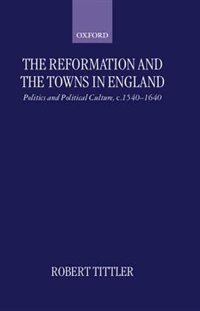
The Reformation and the Towns in England by Robert Tittler, Hardcover | Indigo Chapters
By Robert Tittler
Current price: $450.00

By Robert Tittler
The Reformation and the Towns in England by Robert Tittler, Hardcover | Indigo Chapters
Current price: $450.00
Loading Inventory...
Size: 2.7 x 21.6 x 620
*Product information may vary - to confirm product availability, pricing, shipping and return information please contact Indigo
This analysis of the secular impact of the Reformation examines the changes within English towns over the period c.1540-1640. All over England wholesale shifts of urban land and resources, coupled with increased statutory responsibilities, allowed a surprising number of towns to strengthentheir financial and political positions. The Reformation had already begun to destroy much of the doctrine-based political culture which traditionally sustained provincial governments. As a result, the ruling elites in many towns not only extended their holdings and acquired greater autonomy; theyalso gained much greater institutional authority over their inhabitants - part of a growing movement away from communal values towards rule by oligarchy. These elites sought to legitimize their new authority by various means: civic portraiture and regalia, the building of town-halls, the writingof local histories, and the creation of new forms of worship. An altered civic ethos emerged, marking a significant new phase in urban history. | The Reformation and the Towns in England by Robert Tittler, Hardcover | Indigo Chapters
This analysis of the secular impact of the Reformation examines the changes within English towns over the period c.1540-1640. All over England wholesale shifts of urban land and resources, coupled with increased statutory responsibilities, allowed a surprising number of towns to strengthentheir financial and political positions. The Reformation had already begun to destroy much of the doctrine-based political culture which traditionally sustained provincial governments. As a result, the ruling elites in many towns not only extended their holdings and acquired greater autonomy; theyalso gained much greater institutional authority over their inhabitants - part of a growing movement away from communal values towards rule by oligarchy. These elites sought to legitimize their new authority by various means: civic portraiture and regalia, the building of town-halls, the writingof local histories, and the creation of new forms of worship. An altered civic ethos emerged, marking a significant new phase in urban history. | The Reformation and the Towns in England by Robert Tittler, Hardcover | Indigo Chapters
You May Also Like








More About Indigo at Erin Mills Town Centre
The largest book retailer in Canada also offers toys, music, home décor, gifts and lifestyle products. What's Inside...Books, Magazines, CD’s and DVD’s, Toys and Gifts, Home Accents, Electronics, Baby’s and Children’s Section, Bath and Body, Kitchen and Bedroom, Stationary Located outside in the exterior plaza.
5015 Glen Erin Dr, Mississauga, ON L5M 0R7, Canada
Find Indigo at Erin Mills Town Centre in Mississauga ON
Visit Indigo at Erin Mills Town Centre in Mississauga ON